
Designing With Nature, Not Just Alongside It
Biophilic design has evolved from a niche concept into a fundamental principle shaping residential and commercial interiors alike. In 2026, the movement goes beyond placing a few plants on a shelf — it integrates natural patterns, materials, light, and spatial flow to create environments that actively support well-being.
Natural Materials at the Core
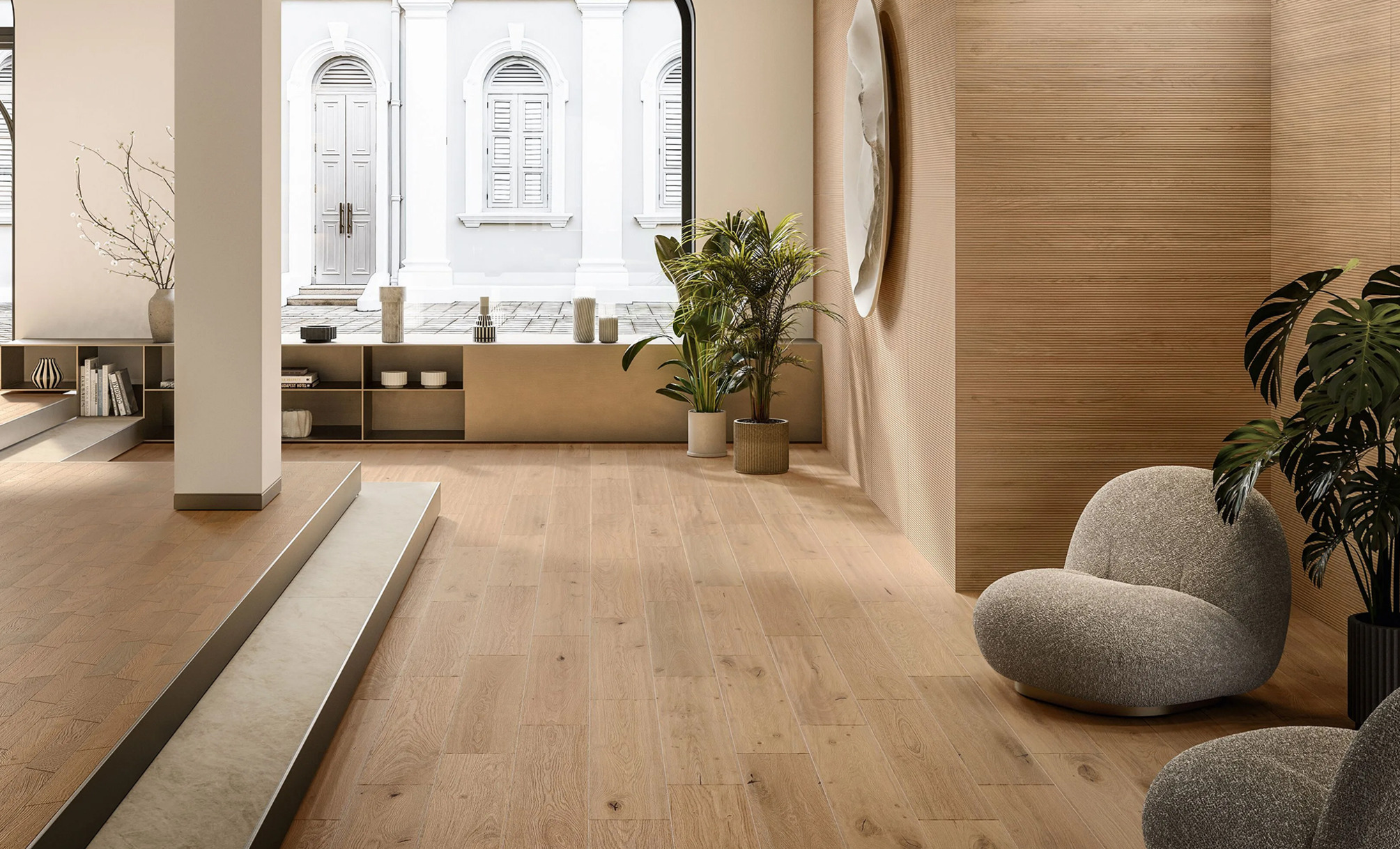
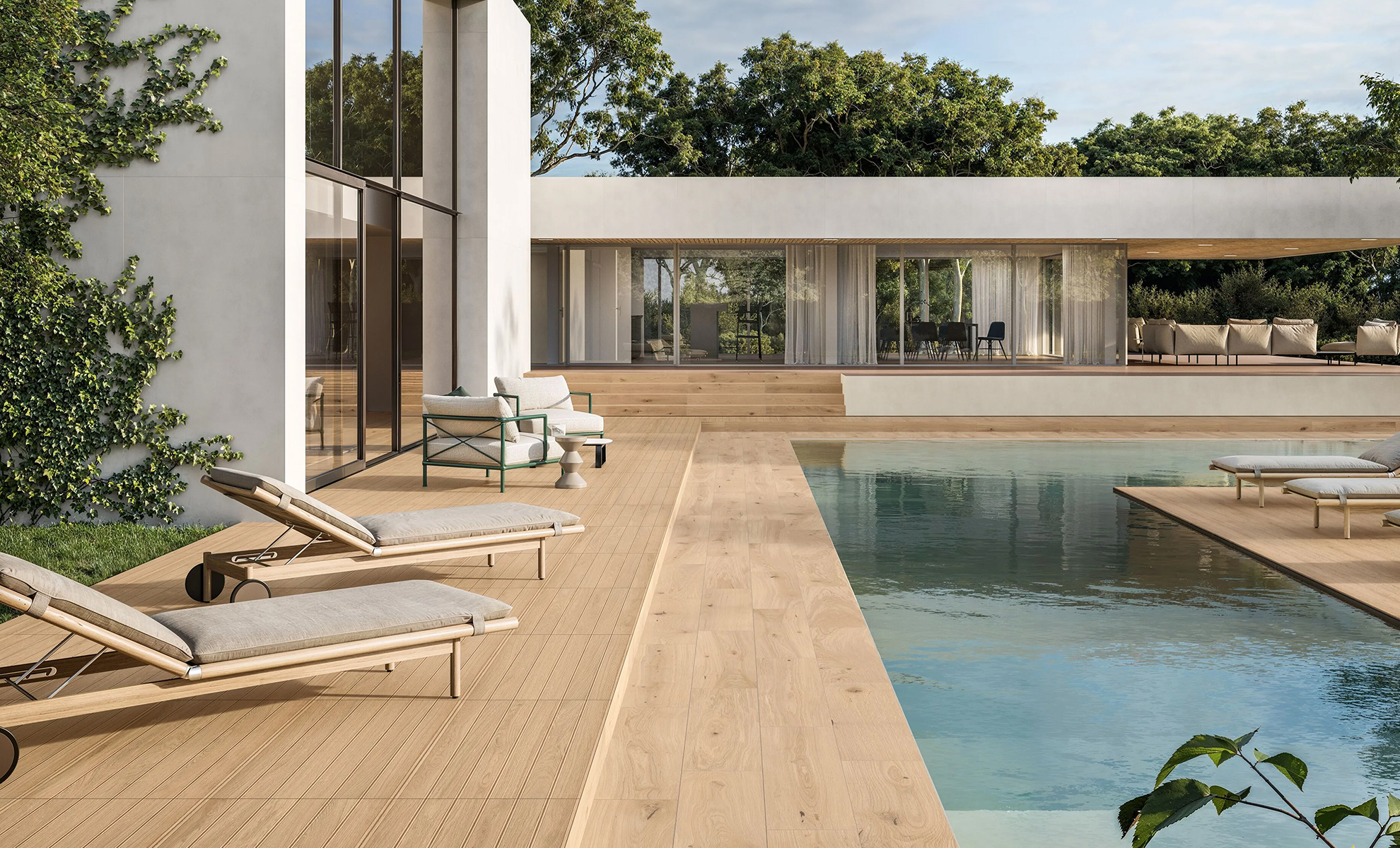
Stone, wood, terracotta, and natural fiber textiles form the material foundation. Large-format porcelain tiles that faithfully reproduce travertine, limestone, or aged wood bring nature-inspired surfaces to high-traffic areas without compromising on durability or maintenance.
Light and Air
Maximizing natural light is central to biophilic interiors. Floor-to-ceiling windows, light wells, and reflective surfaces work together to blur the boundary between indoors and outdoors. Where natural light is limited, warm-toned LED fixtures simulate daylight rhythms.
Organic Forms in Furniture
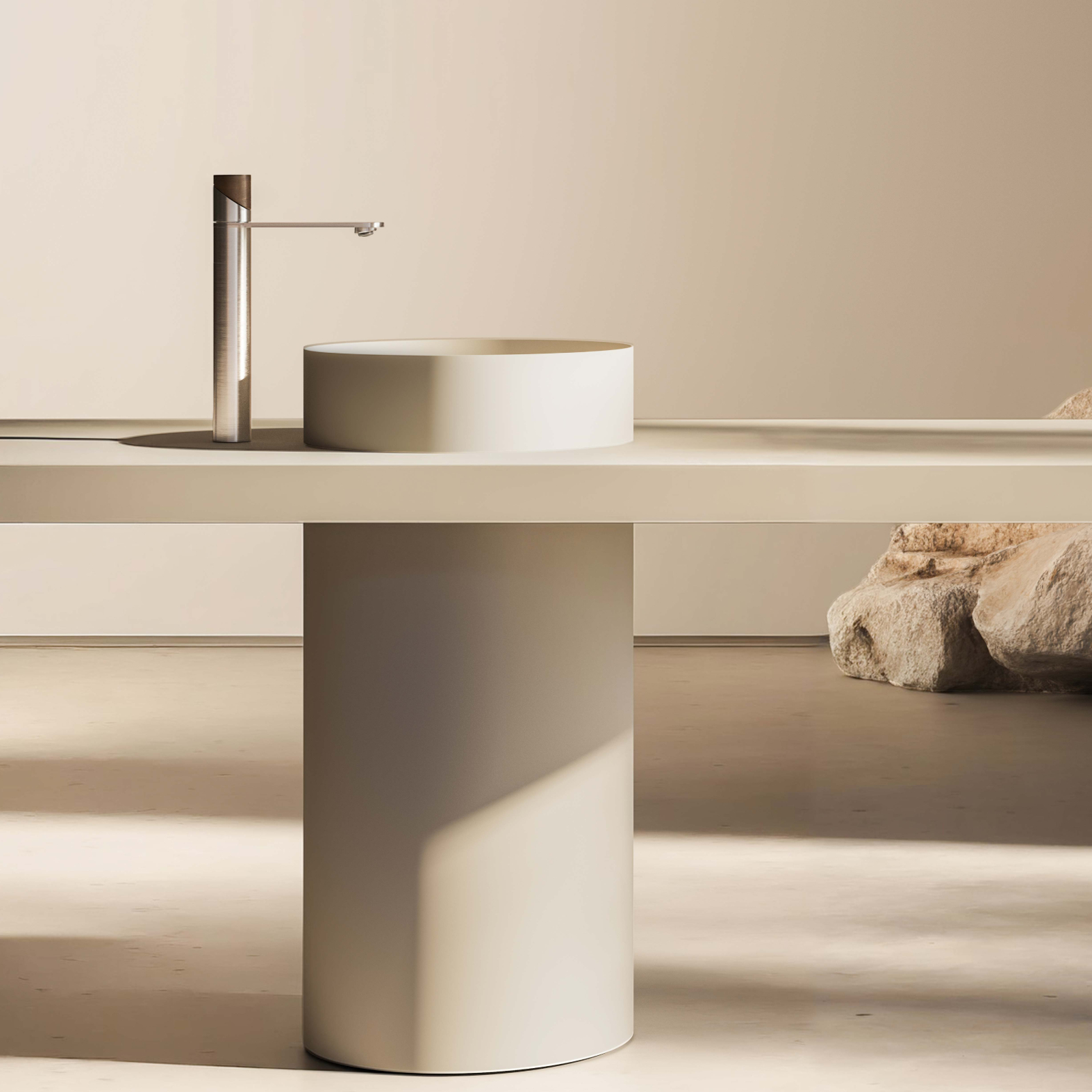
Furniture design echoes natural shapes — curved sofas, rounded dining tables, and irregular-edge shelving replace rigid geometry. Bathroom fixtures follow suit with soft, sculptural basin forms and freestanding bathtubs inspired by river stones.
Color From the Earth
The biophilic palette draws directly from landscapes: terracotta reds, moss greens, clay browns, ocean blues, and sandy beiges. These colors are applied through tiles, paint, textiles, and furniture upholstery to create layered, immersive environments.
The Wellness Connection
Research consistently links biophilic environments to reduced stress, improved focus, and better sleep quality. As health-conscious design becomes standard rather than aspirational, biophilic principles offer a proven framework for creating spaces that truly nourish.