Italian ceramic design that helped reshape the modern bathroom
Flaminia was founded in Civita Castellana in 1955 by 23 young workers who left the local factories to establish their own ceramic company. What began as an artisanal operation developed into one of Italy’s most design-oriented sanitaryware manufacturers, with production still carried out in its original ceramic district.
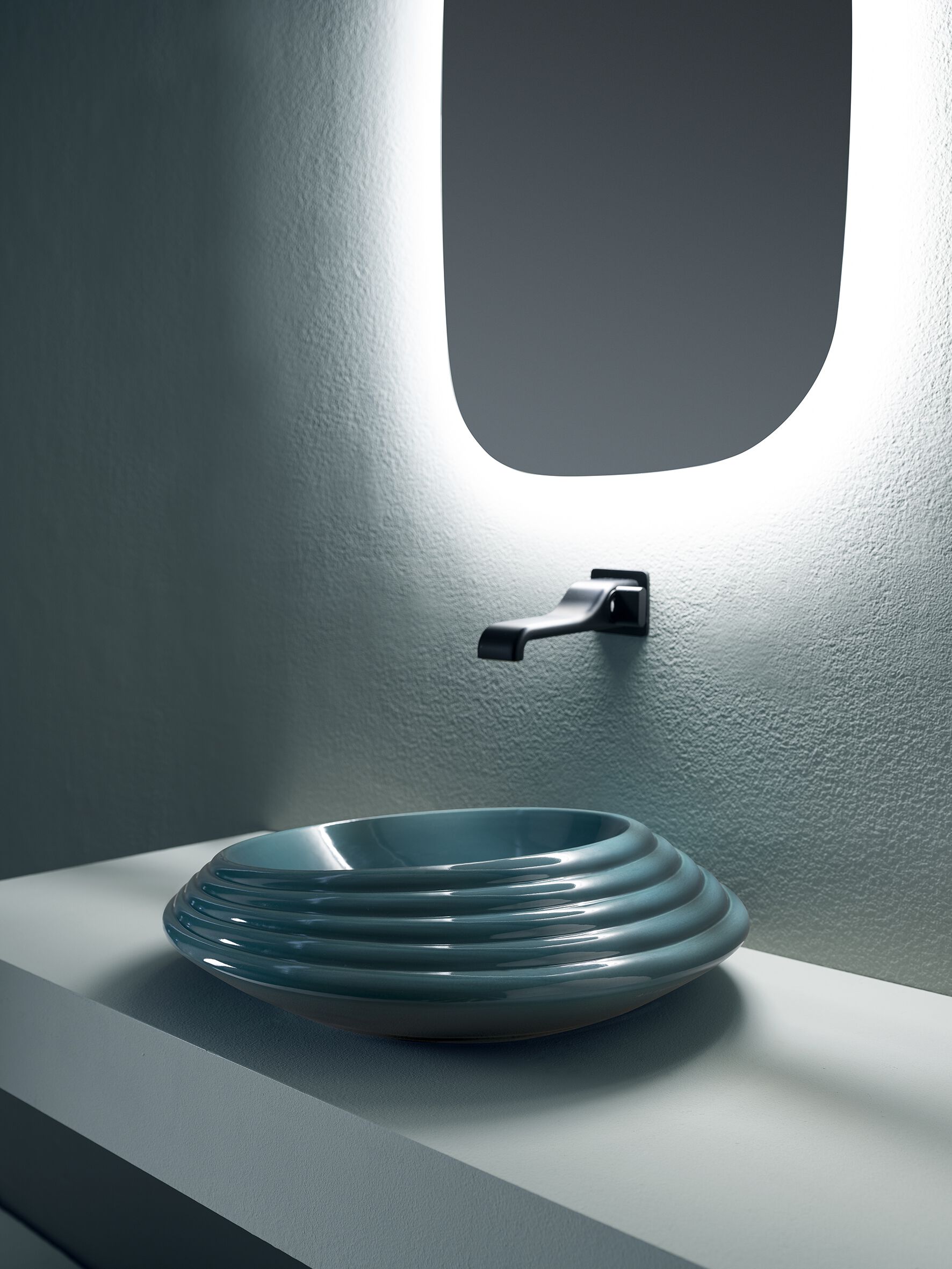
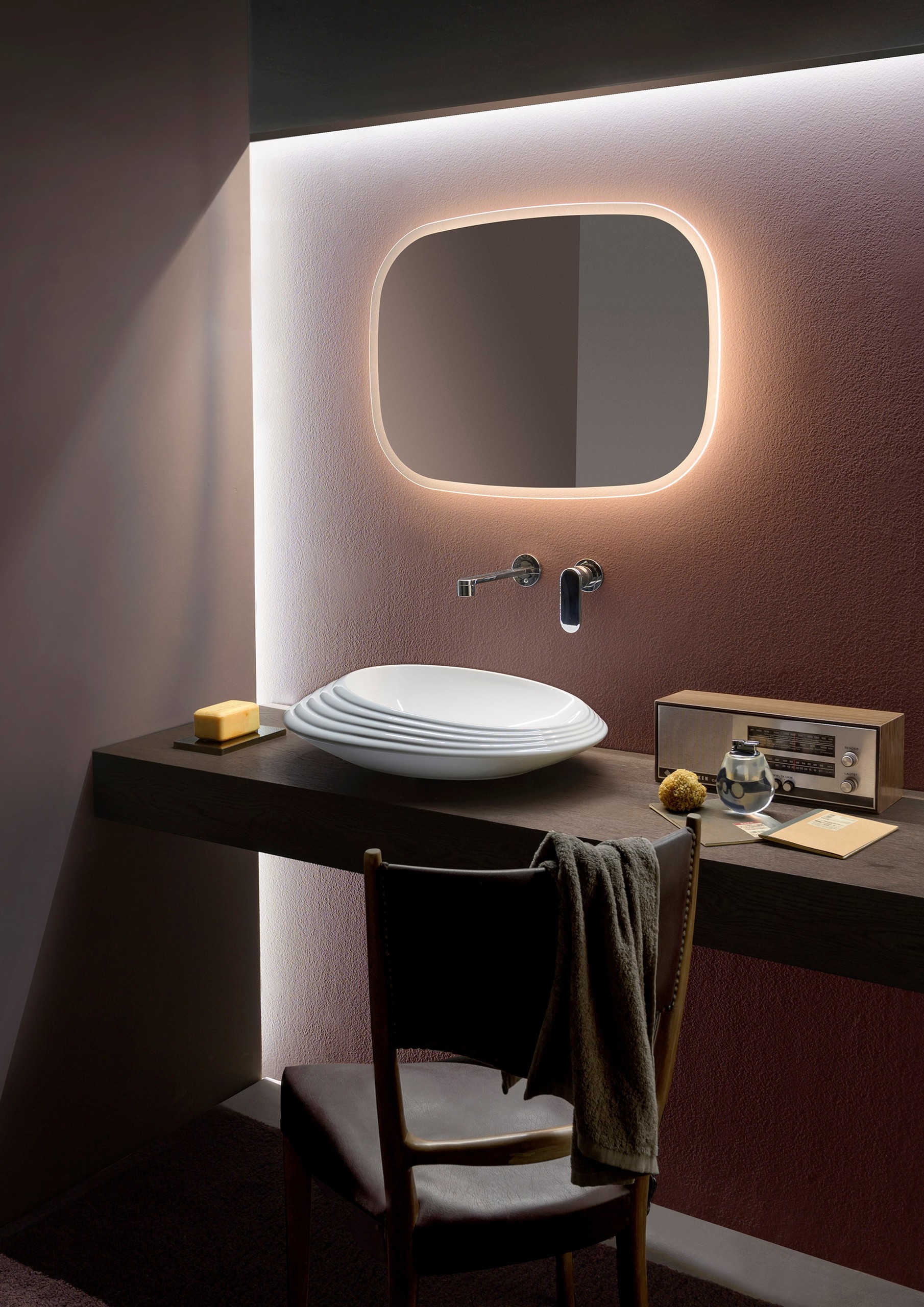
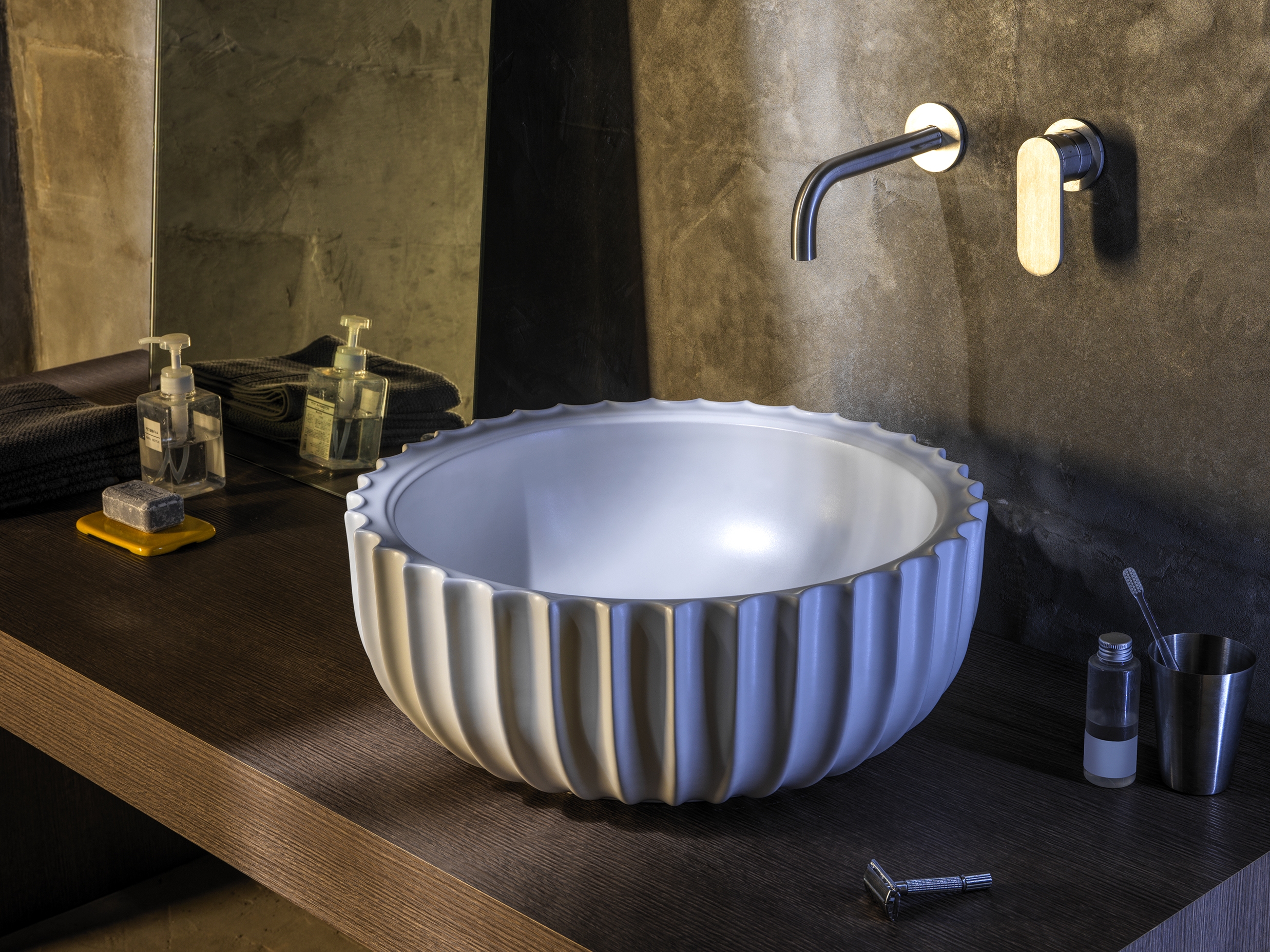
A decisive change came in the late 1990s, when Flaminia began working with Roberto Palomba, Ludovica Serafini and Giulio Cappellini. Their work moved sanitaryware away from familiar bathroom conventions and introduced forms that treated ceramic as part of the interior architecture. Acquagrande, designed by Cappellini in 1997, used an unusually generous square form at a time when washbasins were generally compact and purely functional. It became one of the brand’s defining products and anticipated the large, sculptural washbasins now common in contemporary bathrooms.
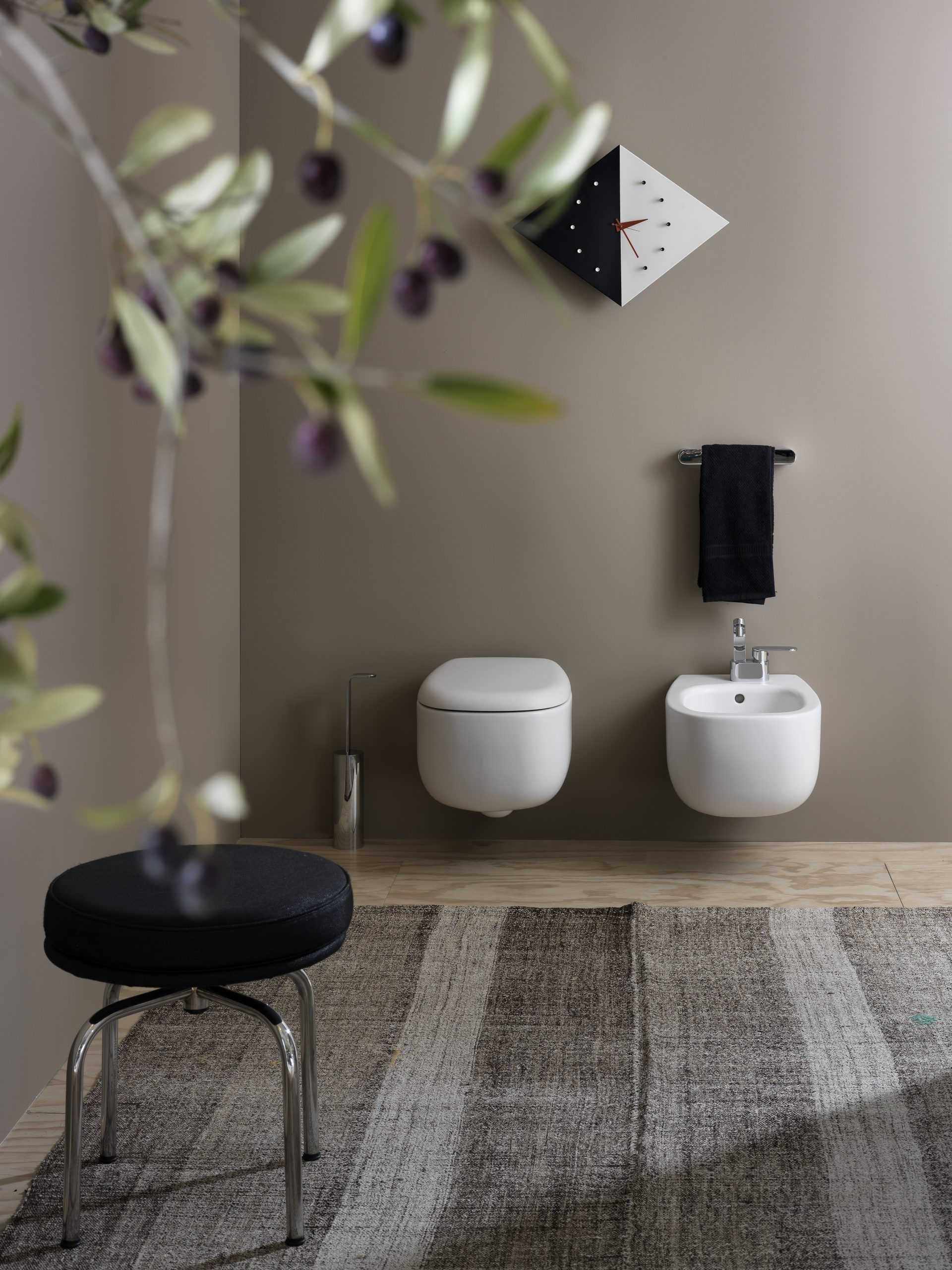
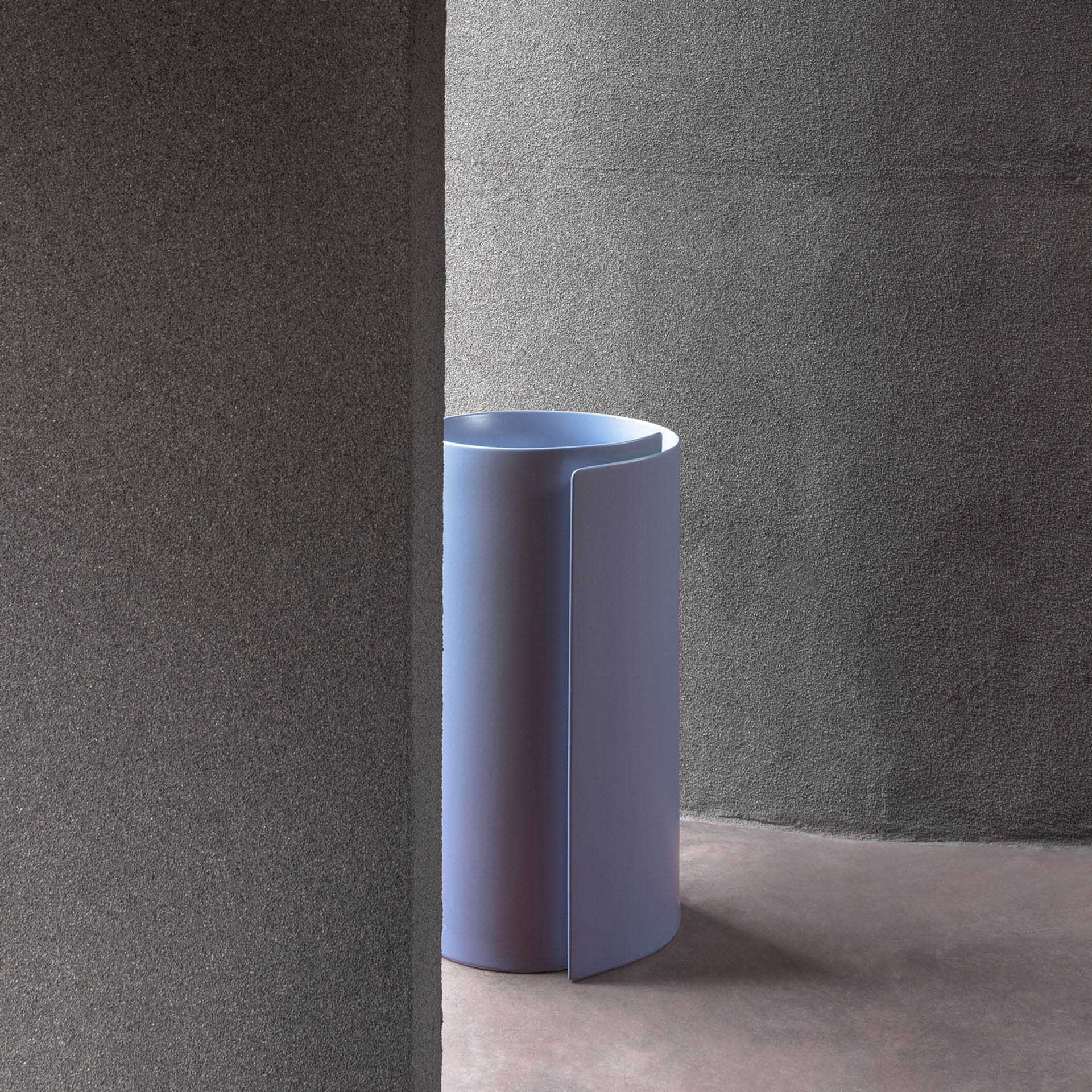
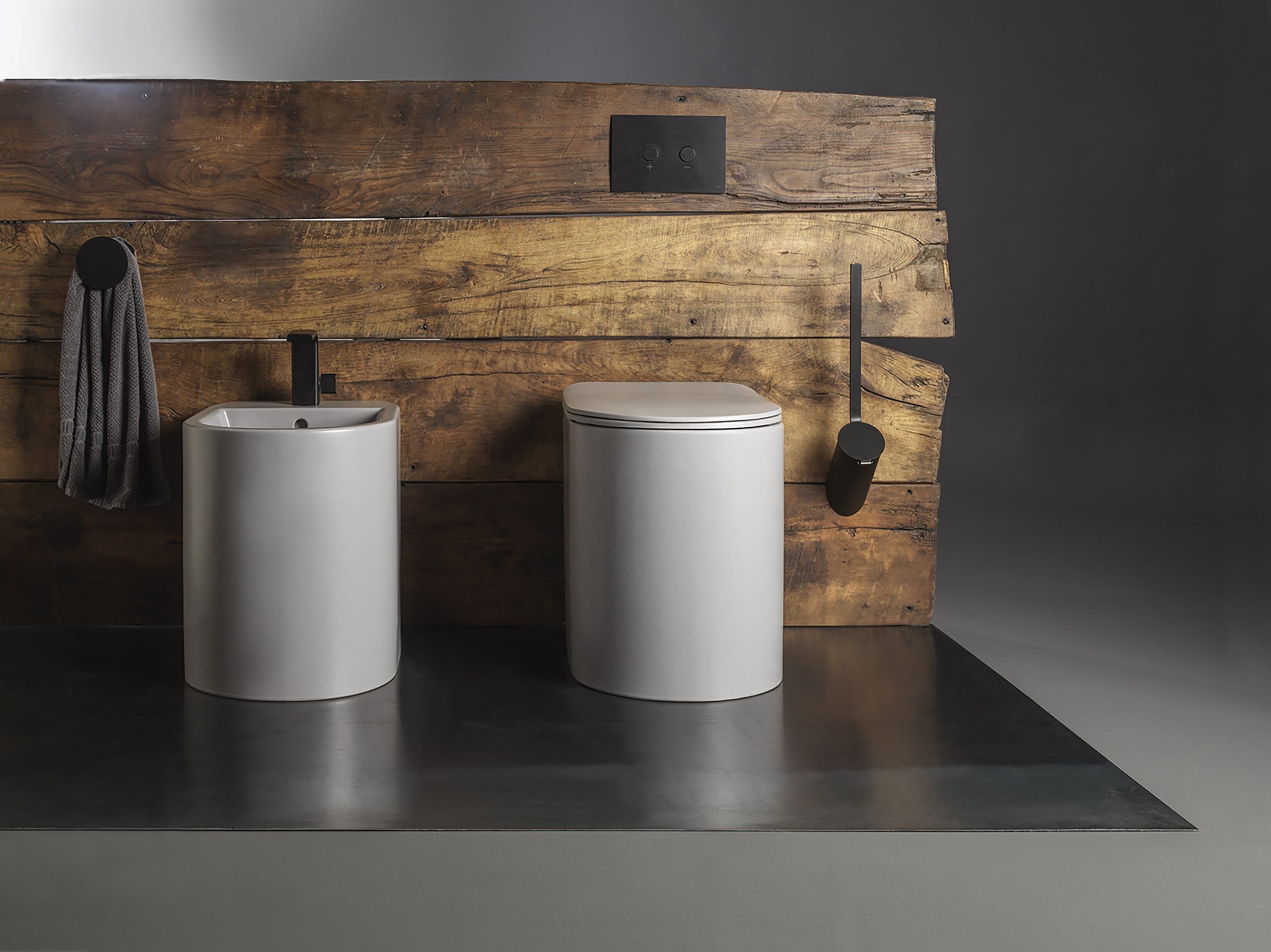
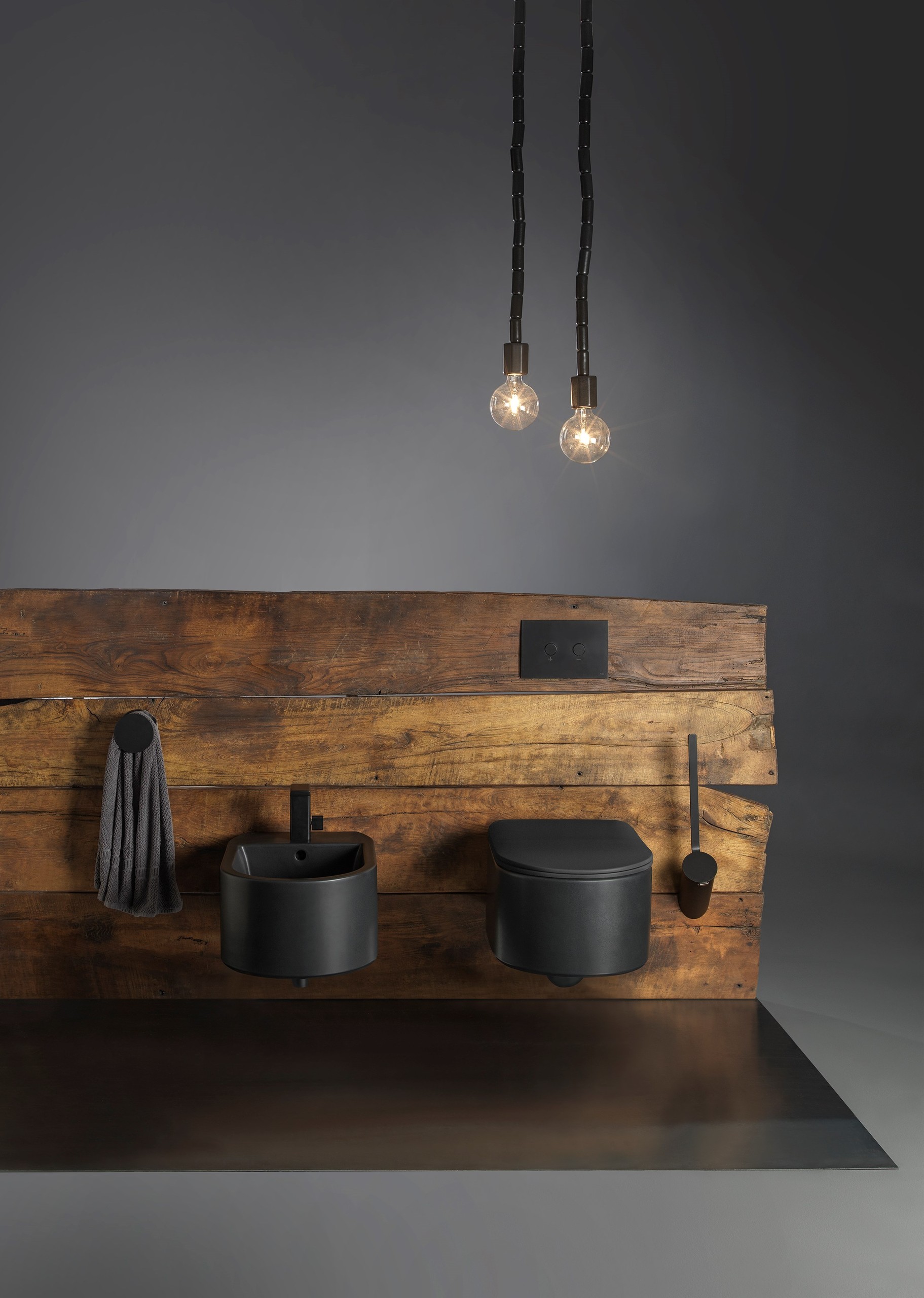
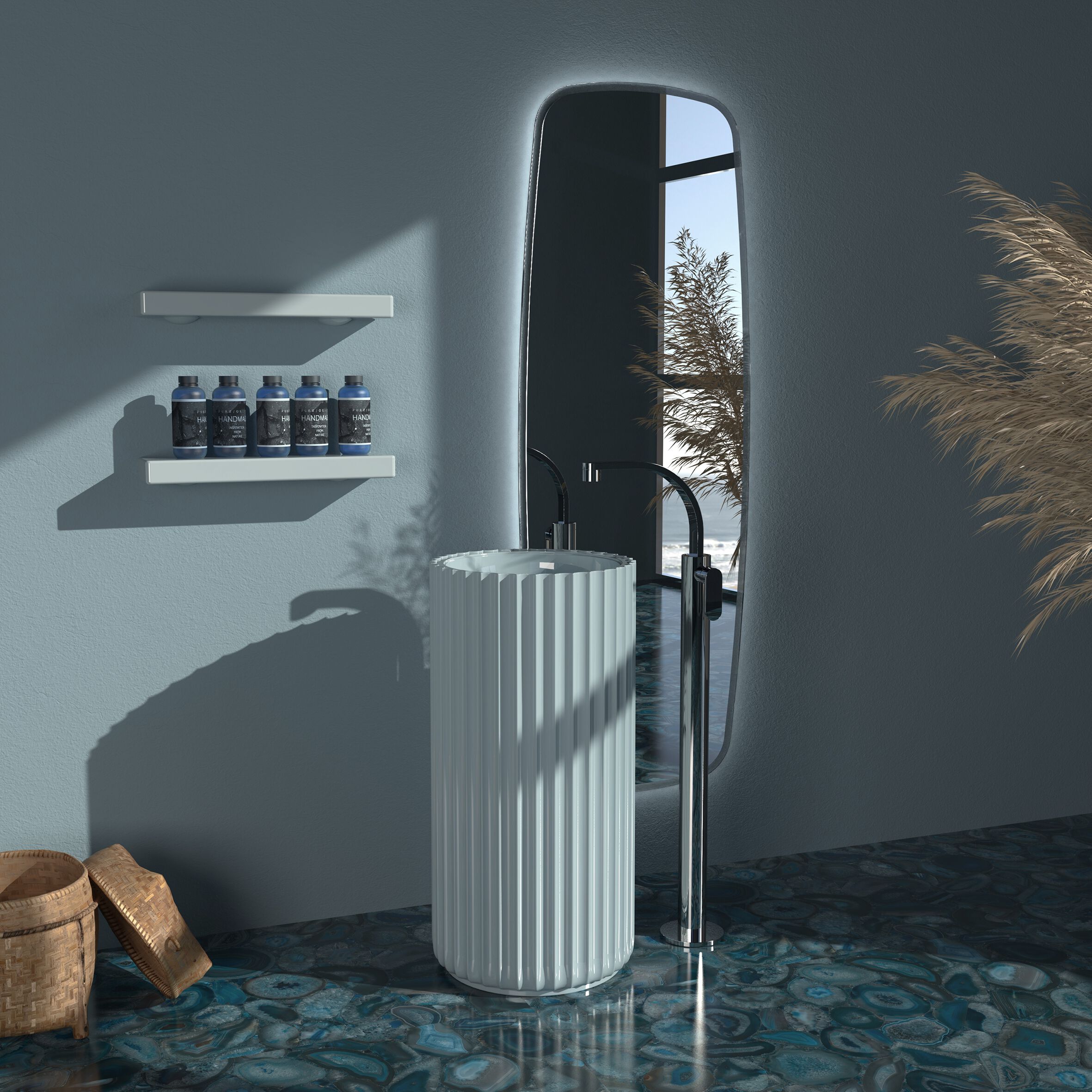
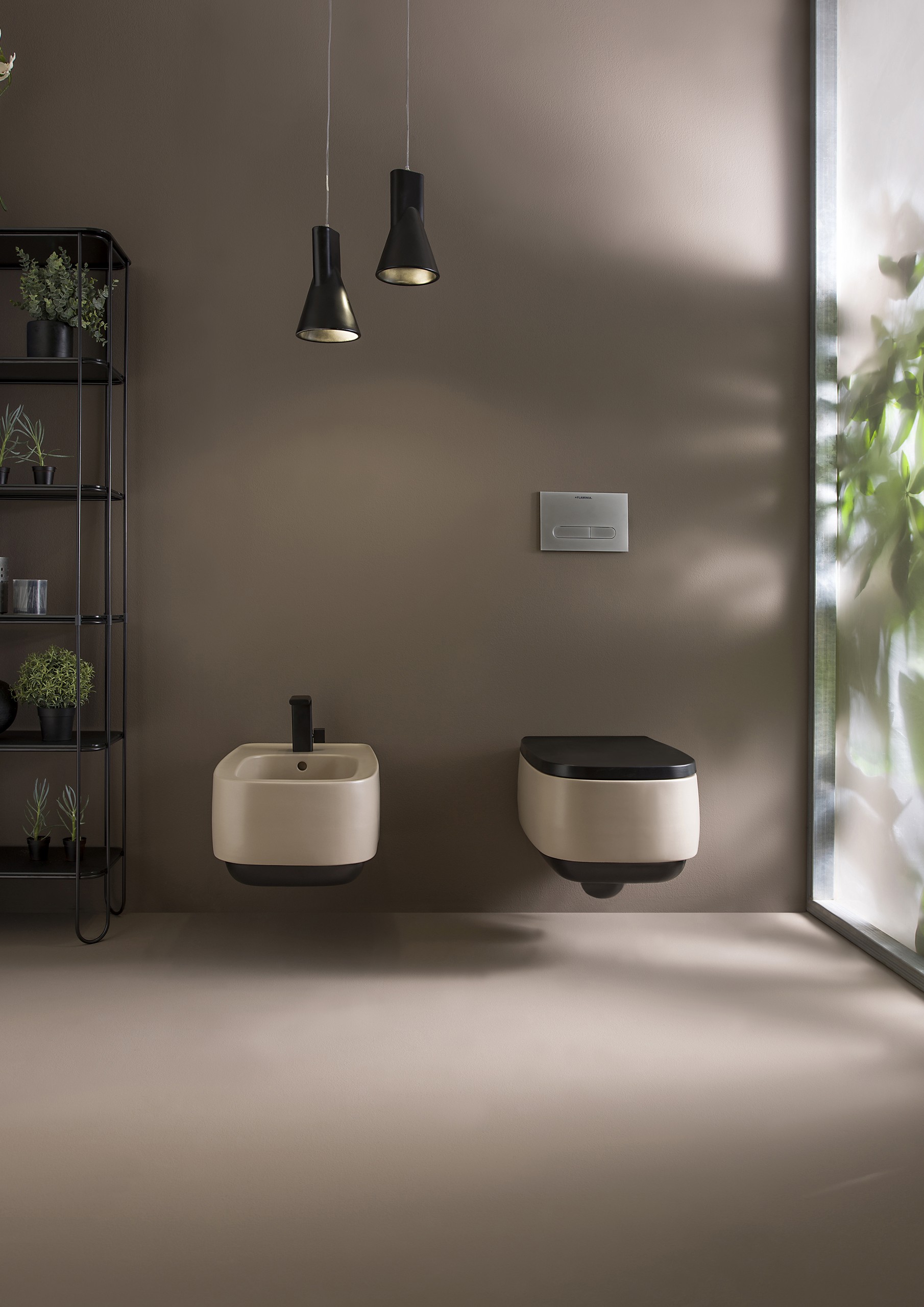
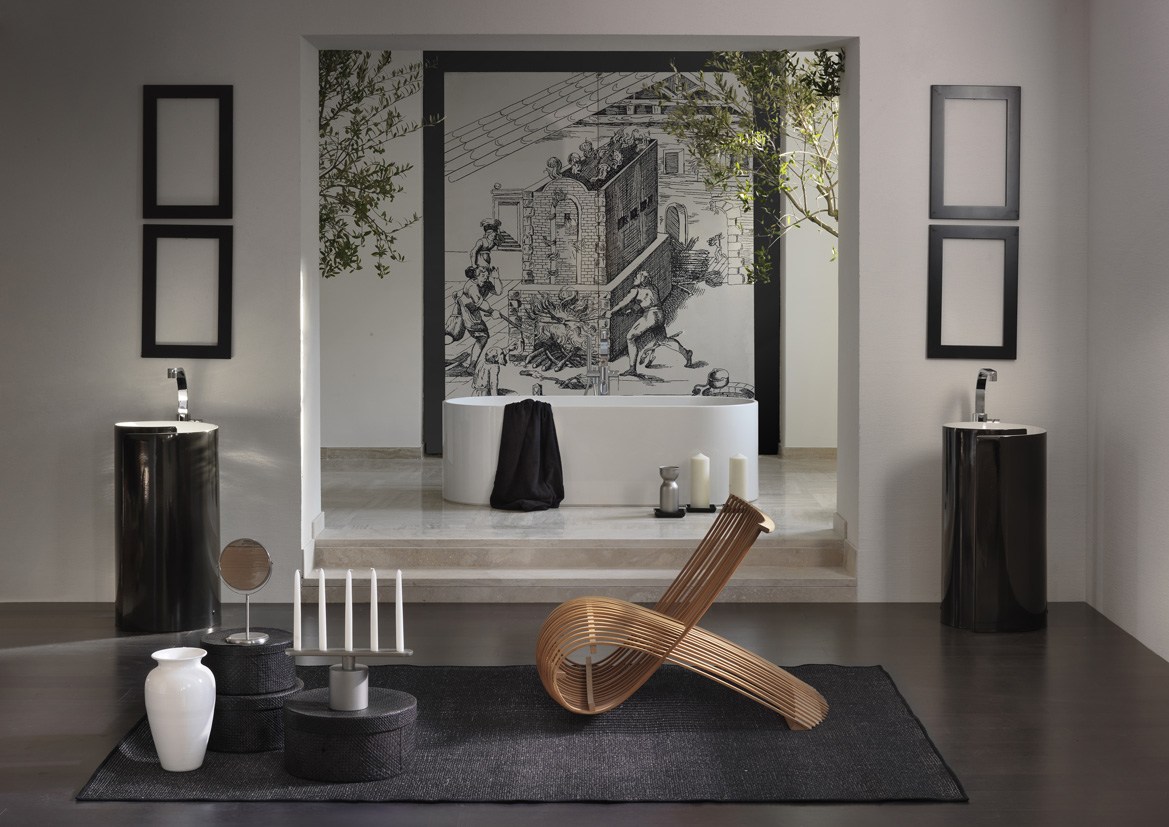
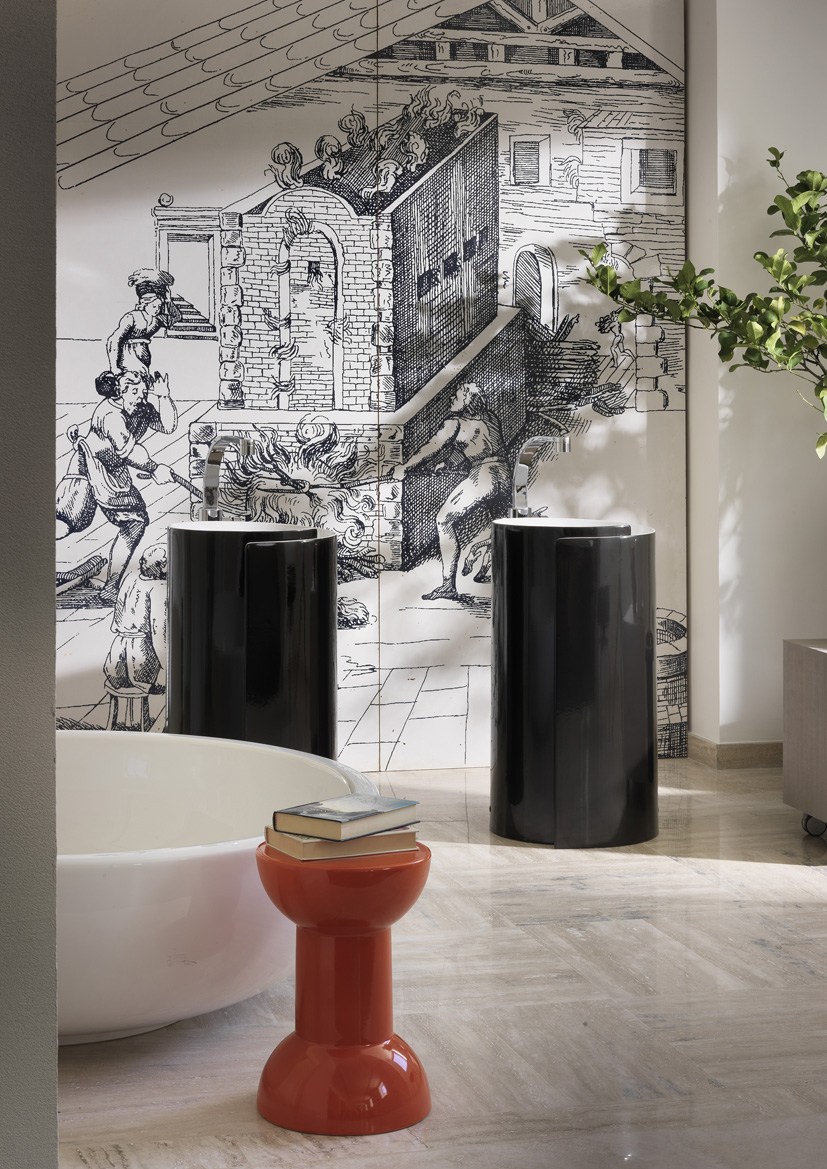
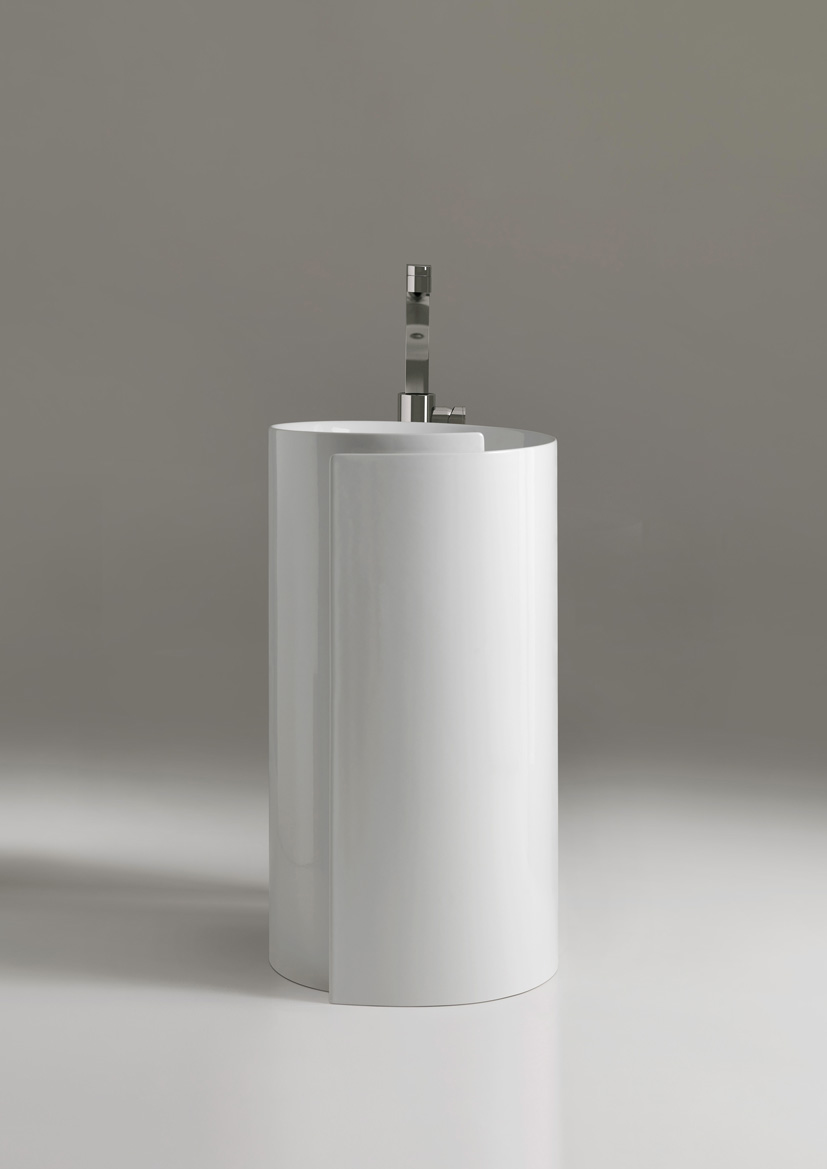
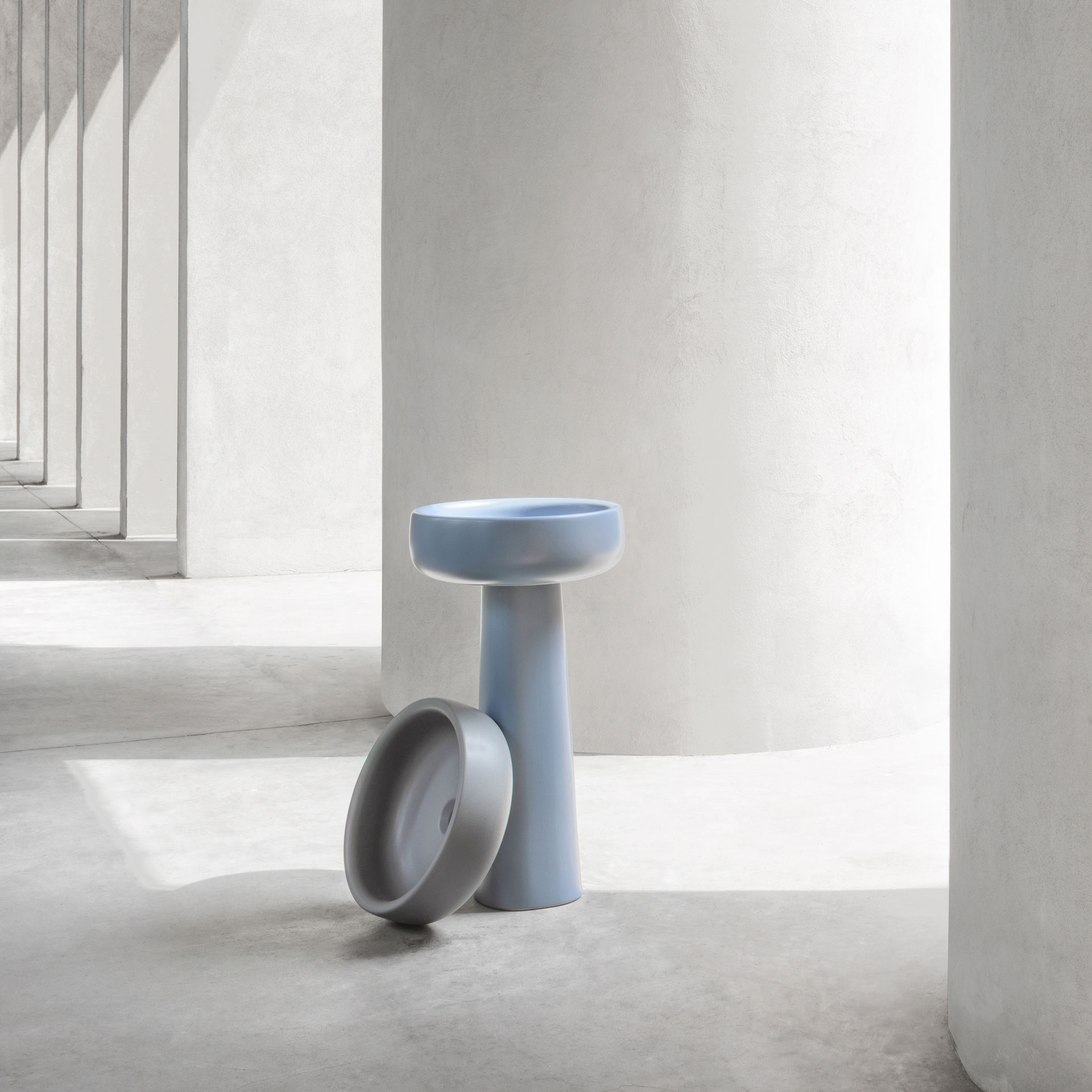
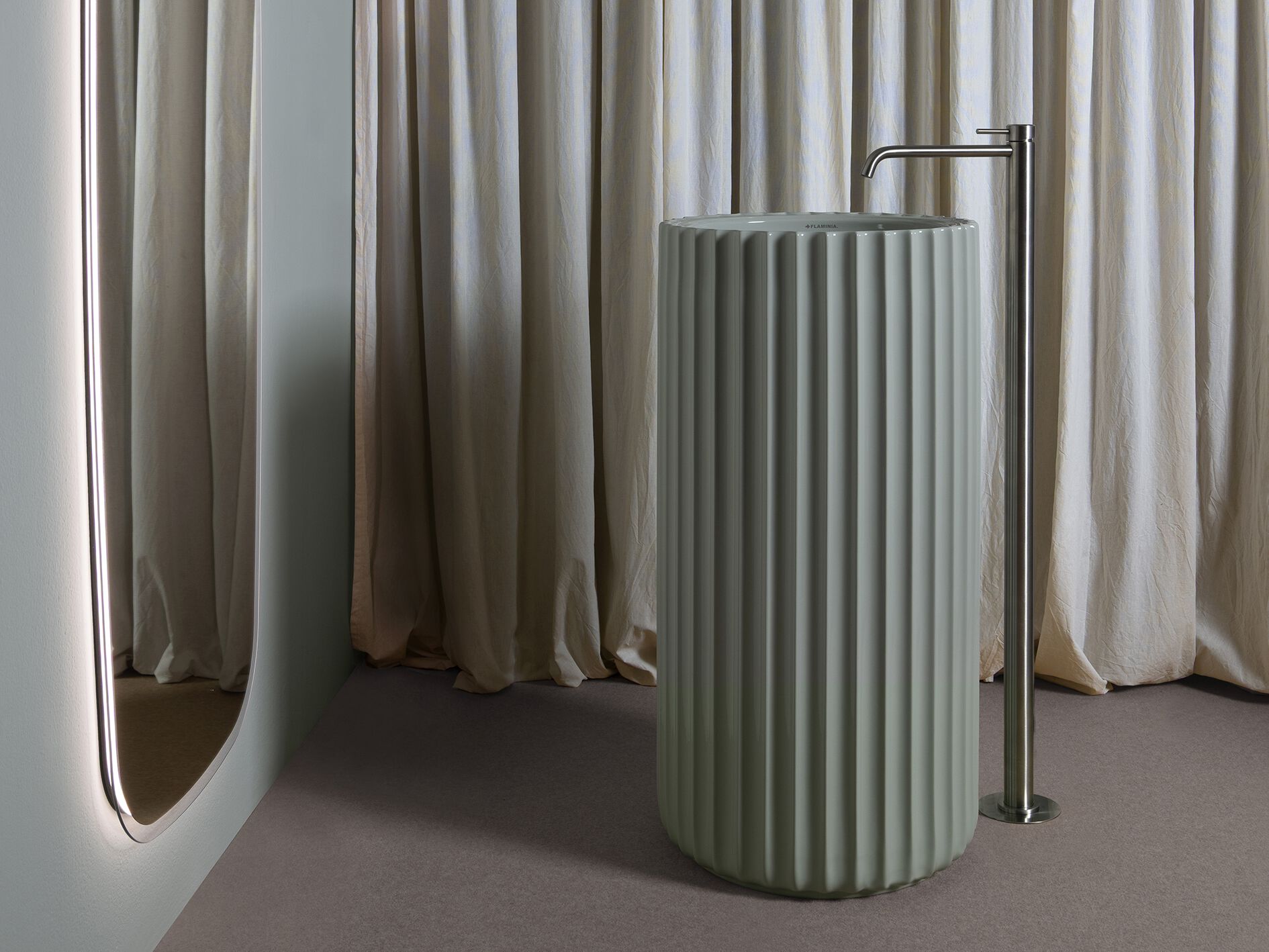
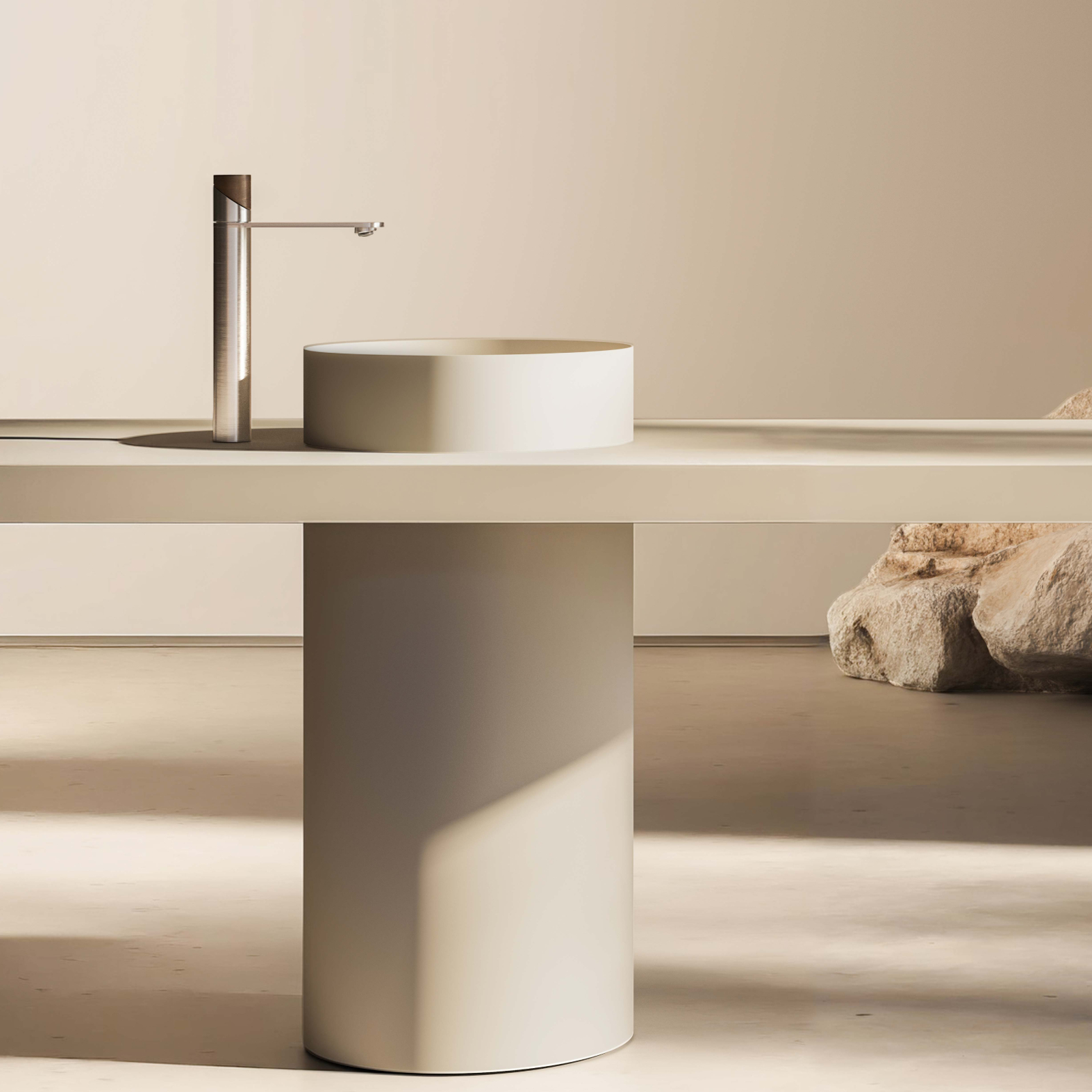
Other collections questioned the traditional relationship between sanitaryware and the wall. Twin Column, by Ludovica and Roberto Palomba, developed the washbasin as a freestanding object that could be placed within the room. Link introduced wall-hung toilets and bidets without visible fixings, while allowing the flushing connection to become part of the design. These products helped establish the bathroom as a furnished space rather than a collection of standard ceramic fixtures.
Under the artistic direction of Giulio Cappellini, Flaminia continued to work with designers from different disciplines and cultures. Jasper Morrison, Nendo, Alessandro Mendini, Paola Navone, Fabio Novembre and Patrick Norguet are among those who have contributed to the catalogue. The results range from the restrained geometry of Morrison’s Bonola collection to Mendini’s playful Rocchetto ceramic stools, showing how differently the same material can be interpreted.
Design experimentation is supported by considerable manufacturing expertise. Complex moulds, controlled casting and precise finishing allow Flaminia to produce generous volumes, freestanding forms and refined profiles while maintaining the performance required from sanitary ceramic. In 2014, the company introduced the patented GoClean® system and became one of the first manufacturers to offer back-to-wall rimless toilets. Removing the internal rim improves hygiene, simplifies cleaning and supports more efficient flushing. The system is now used across many of the brand’s principal collections.
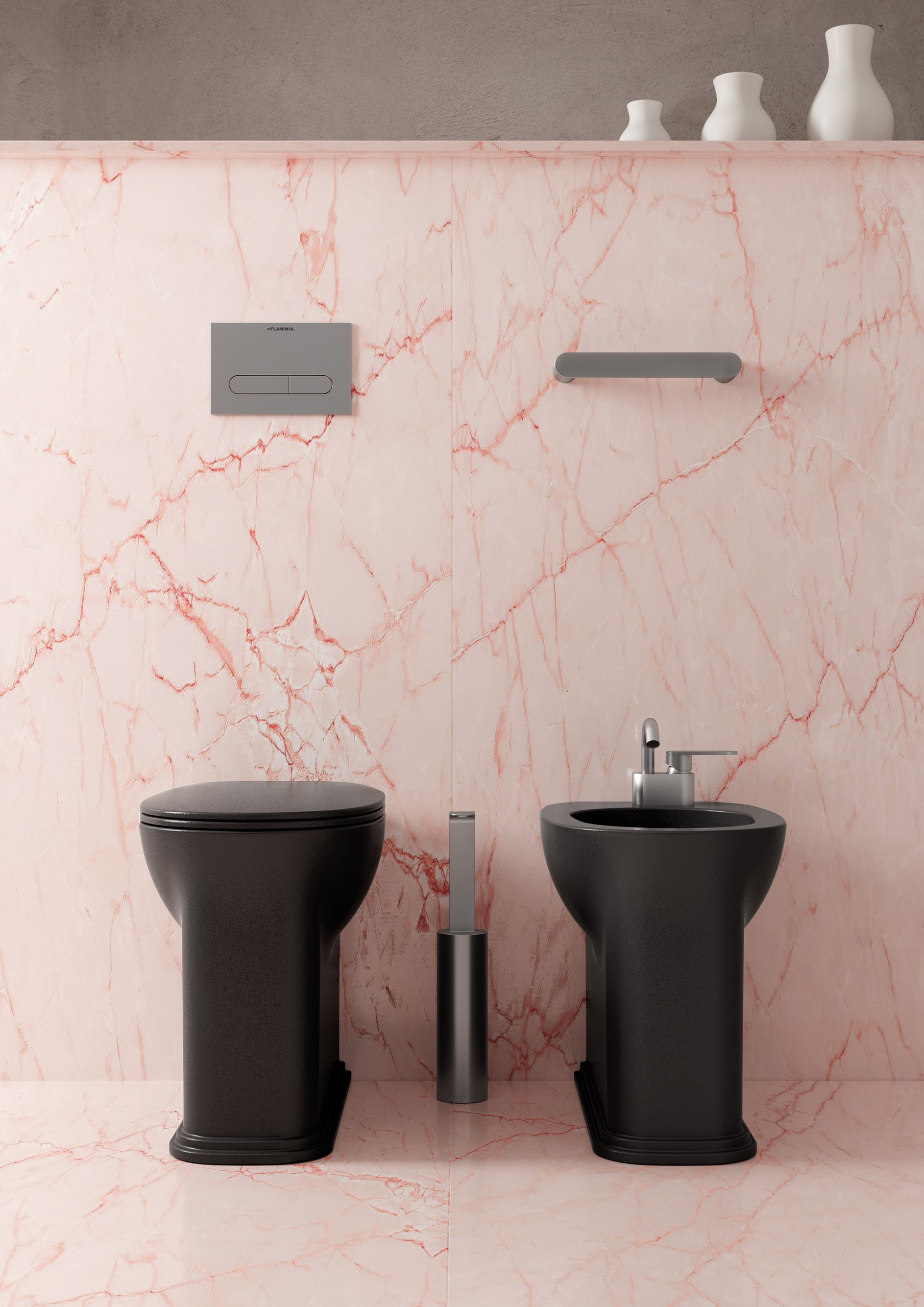
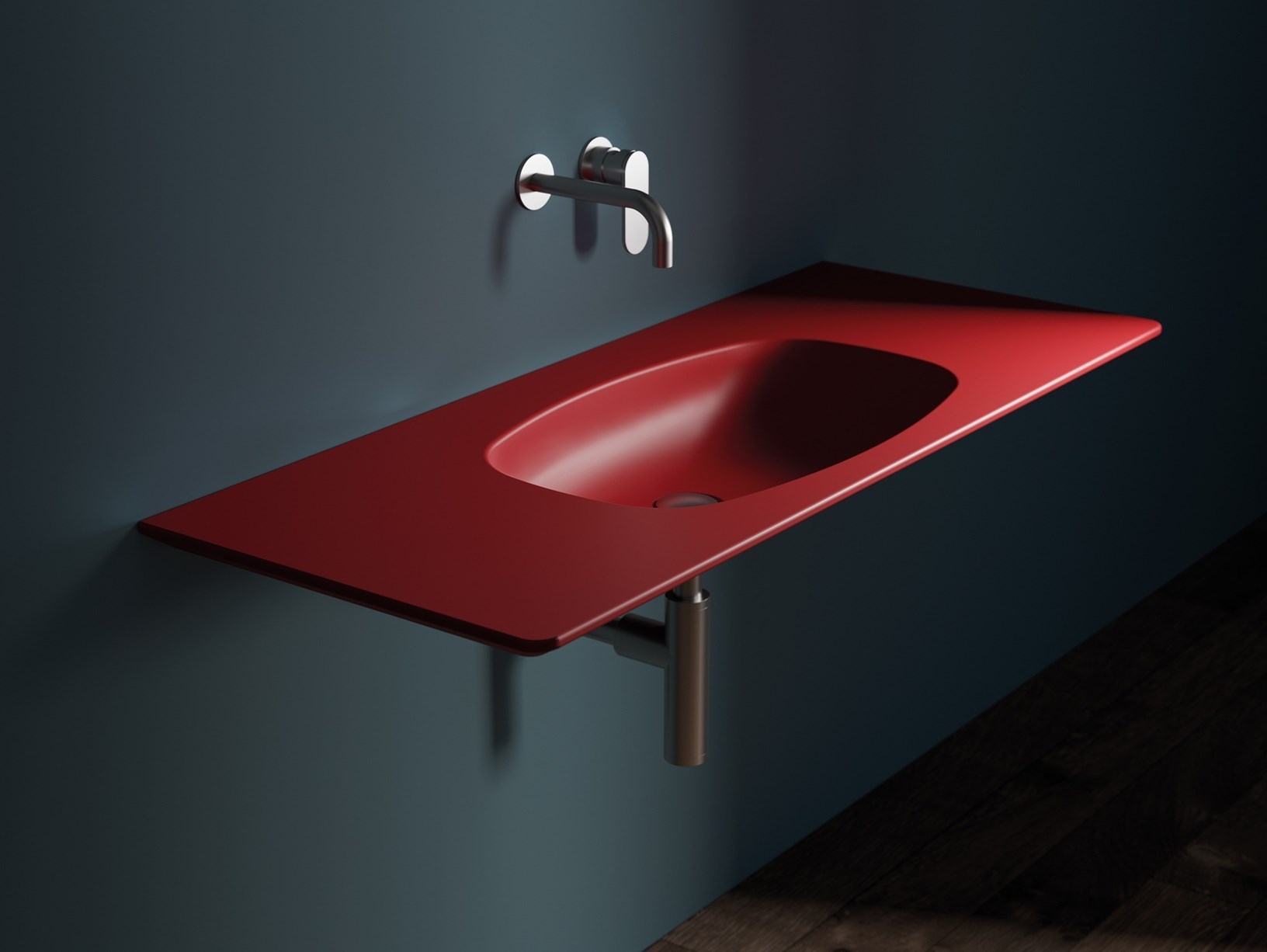
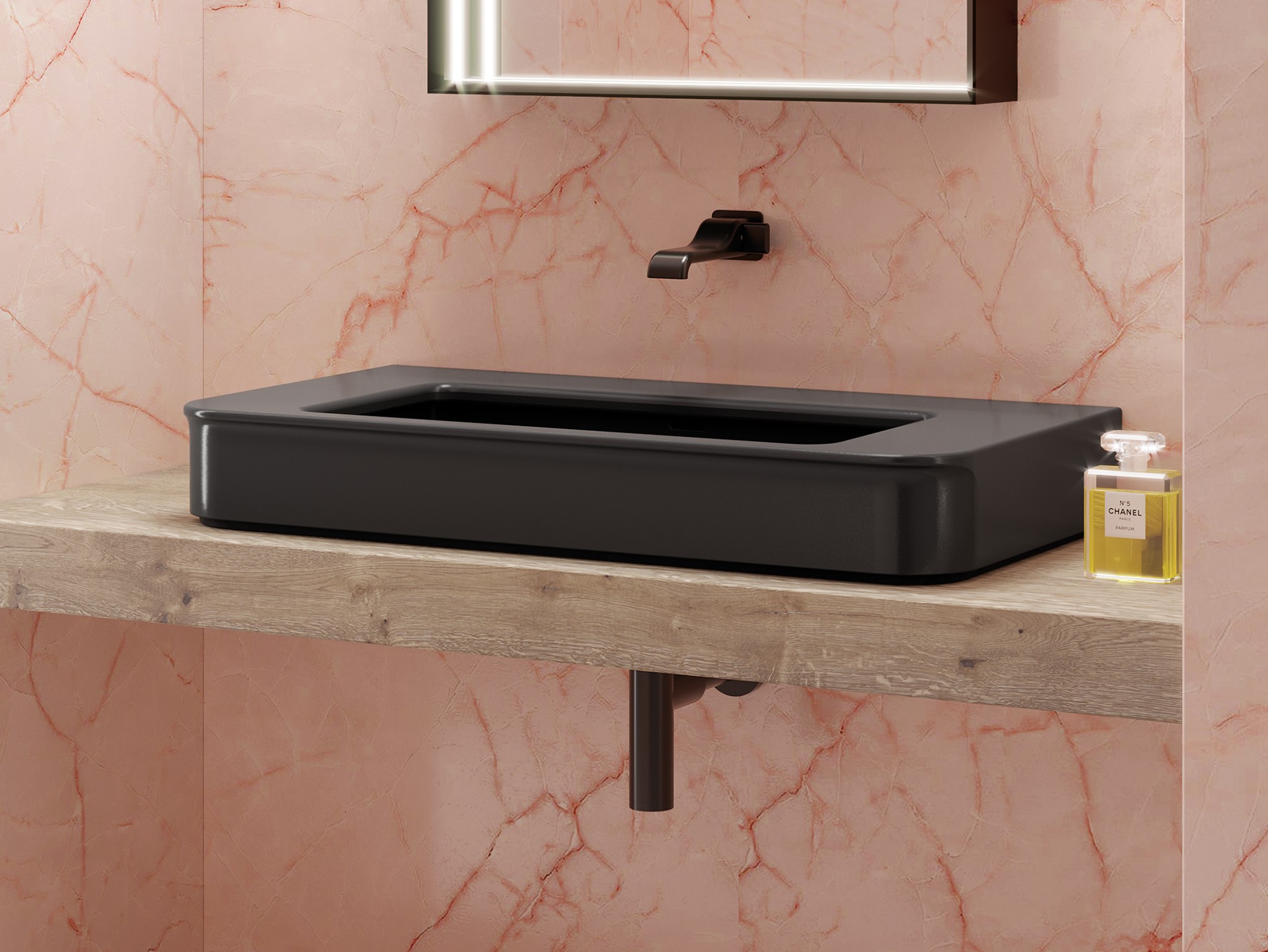
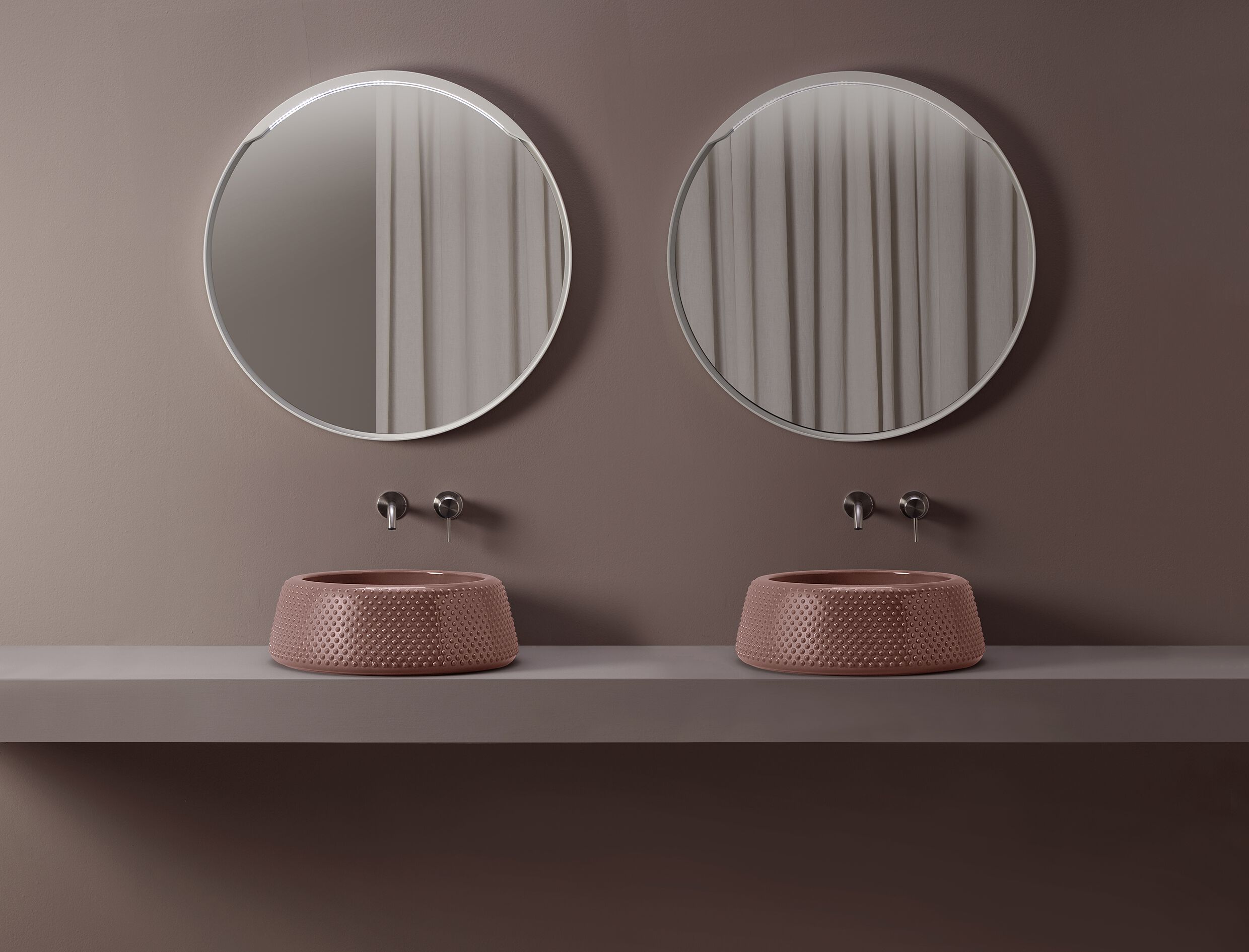
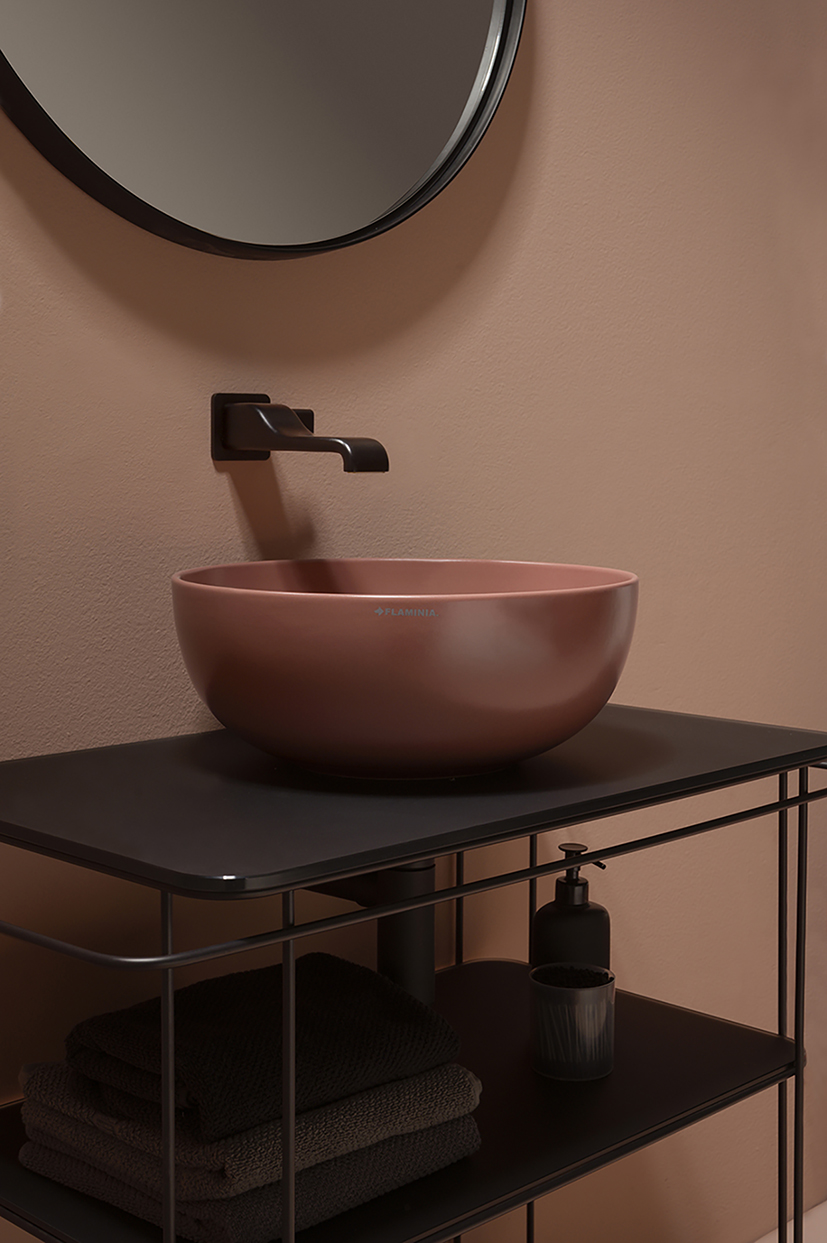
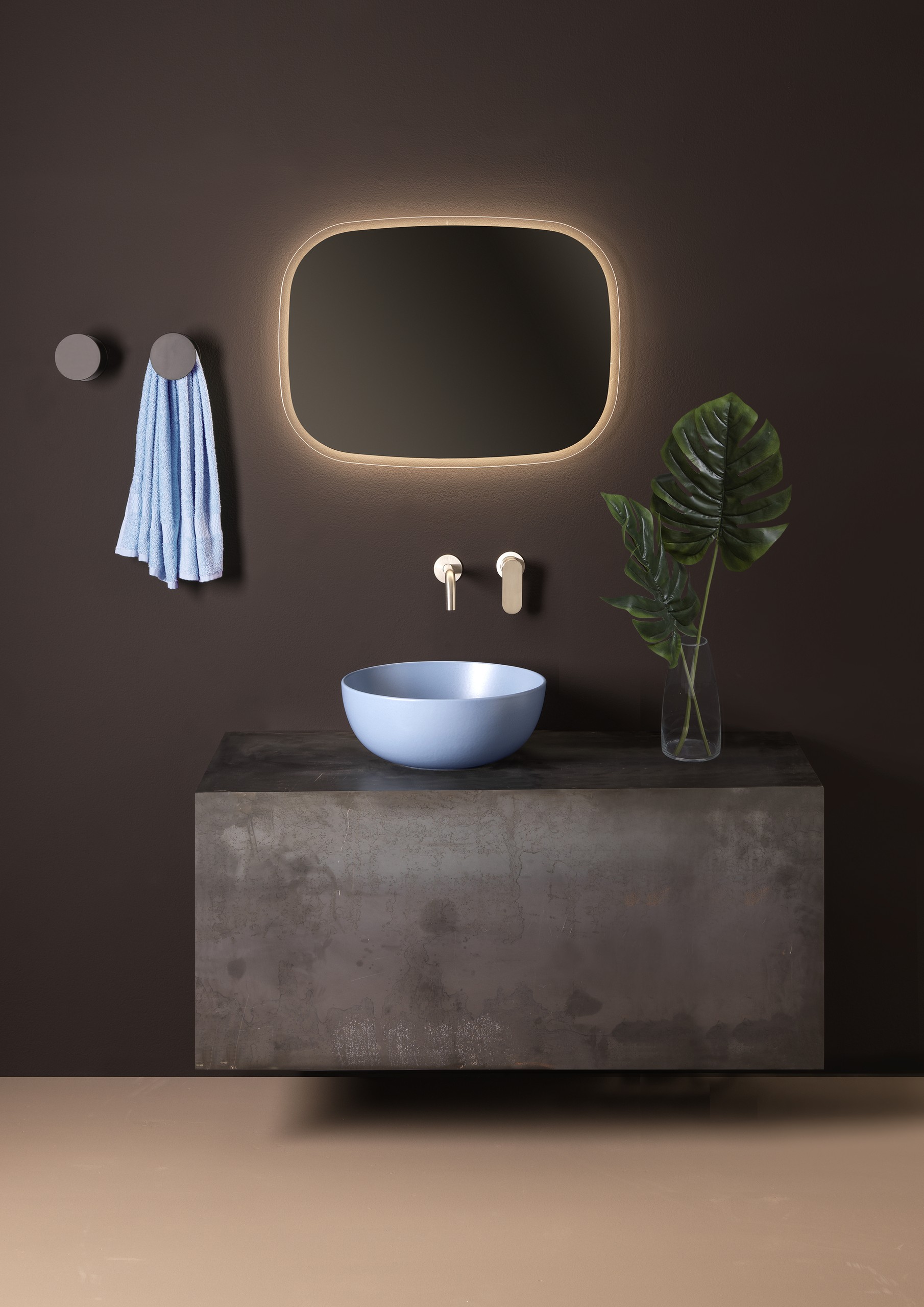
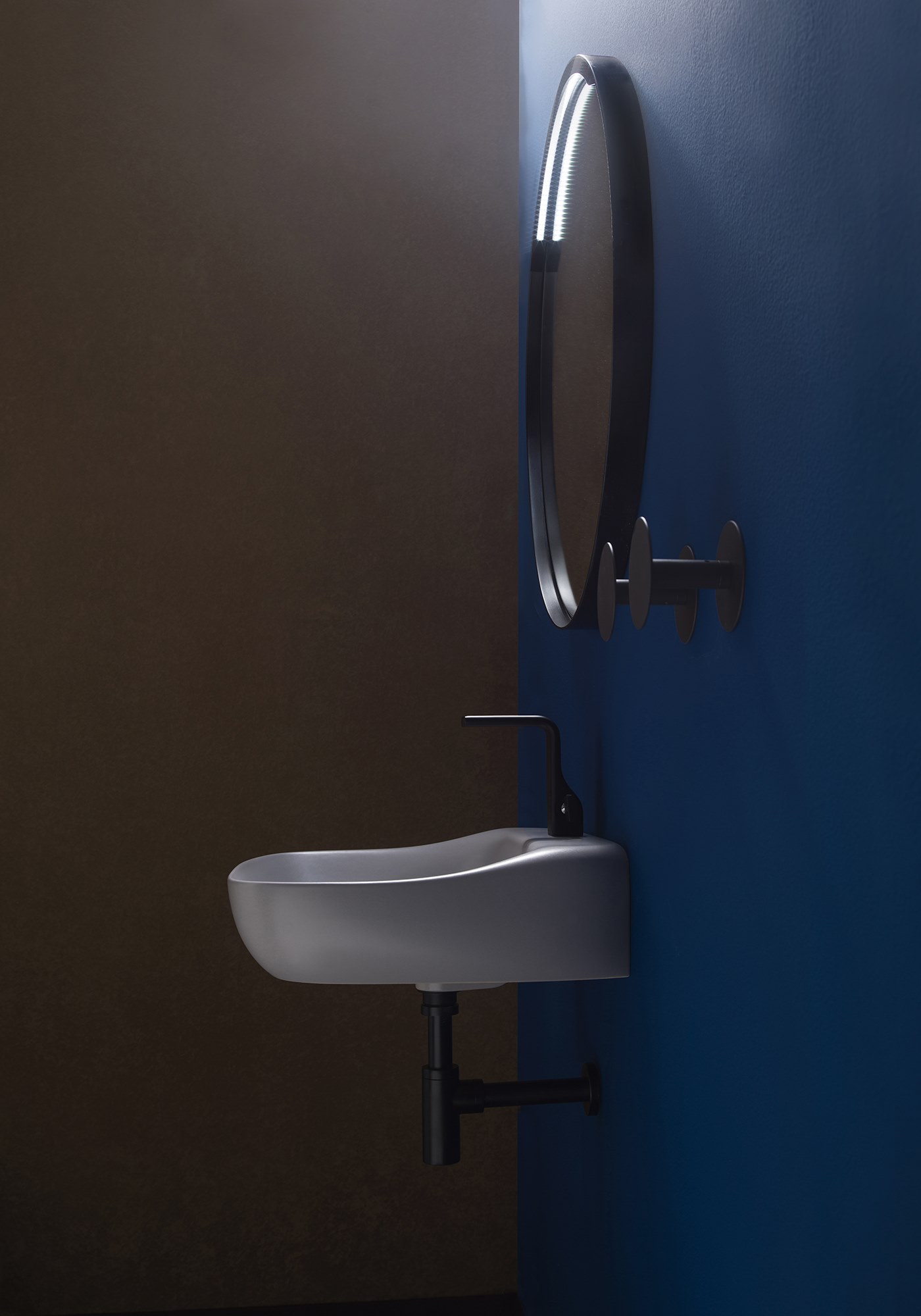
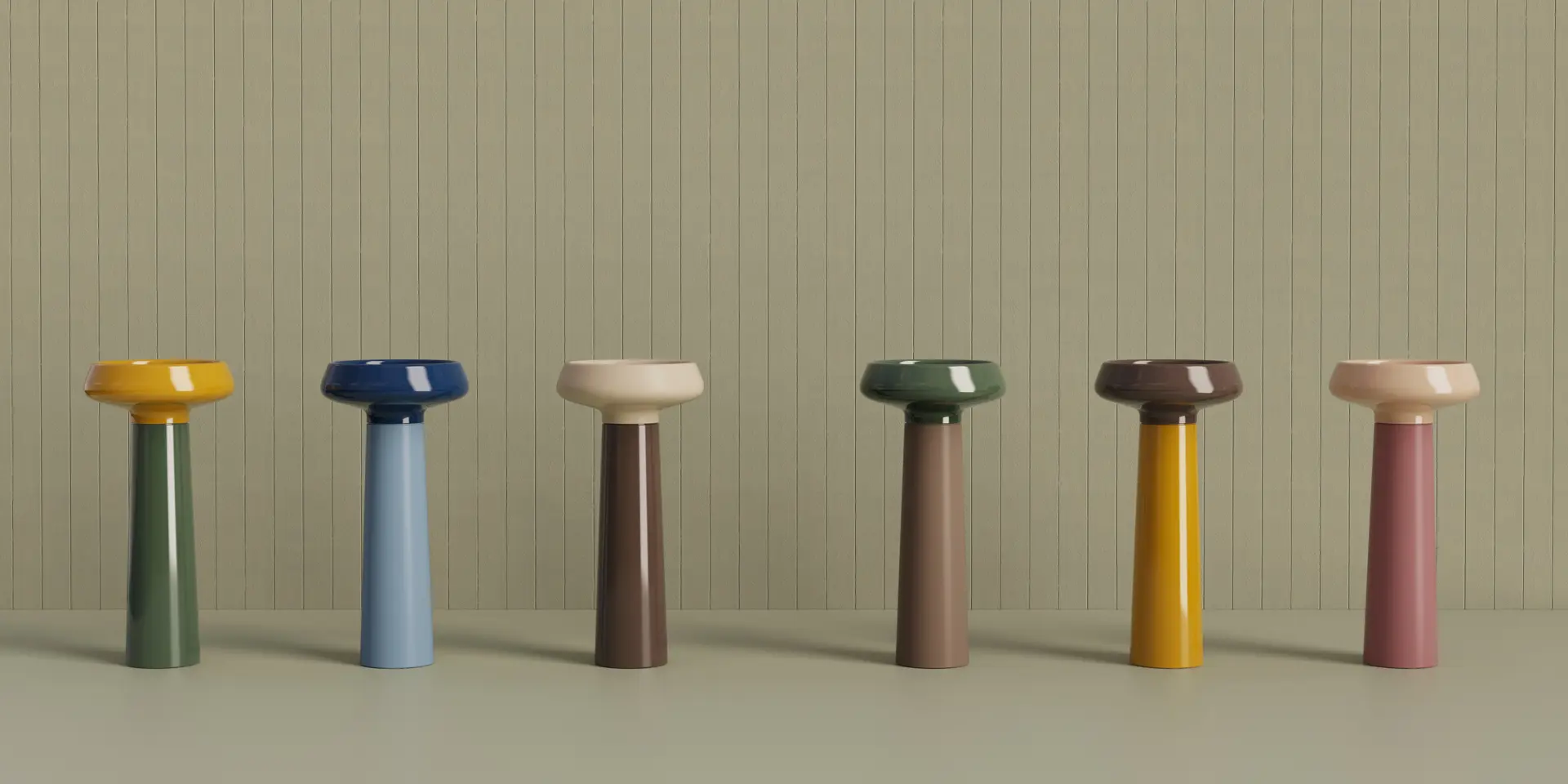
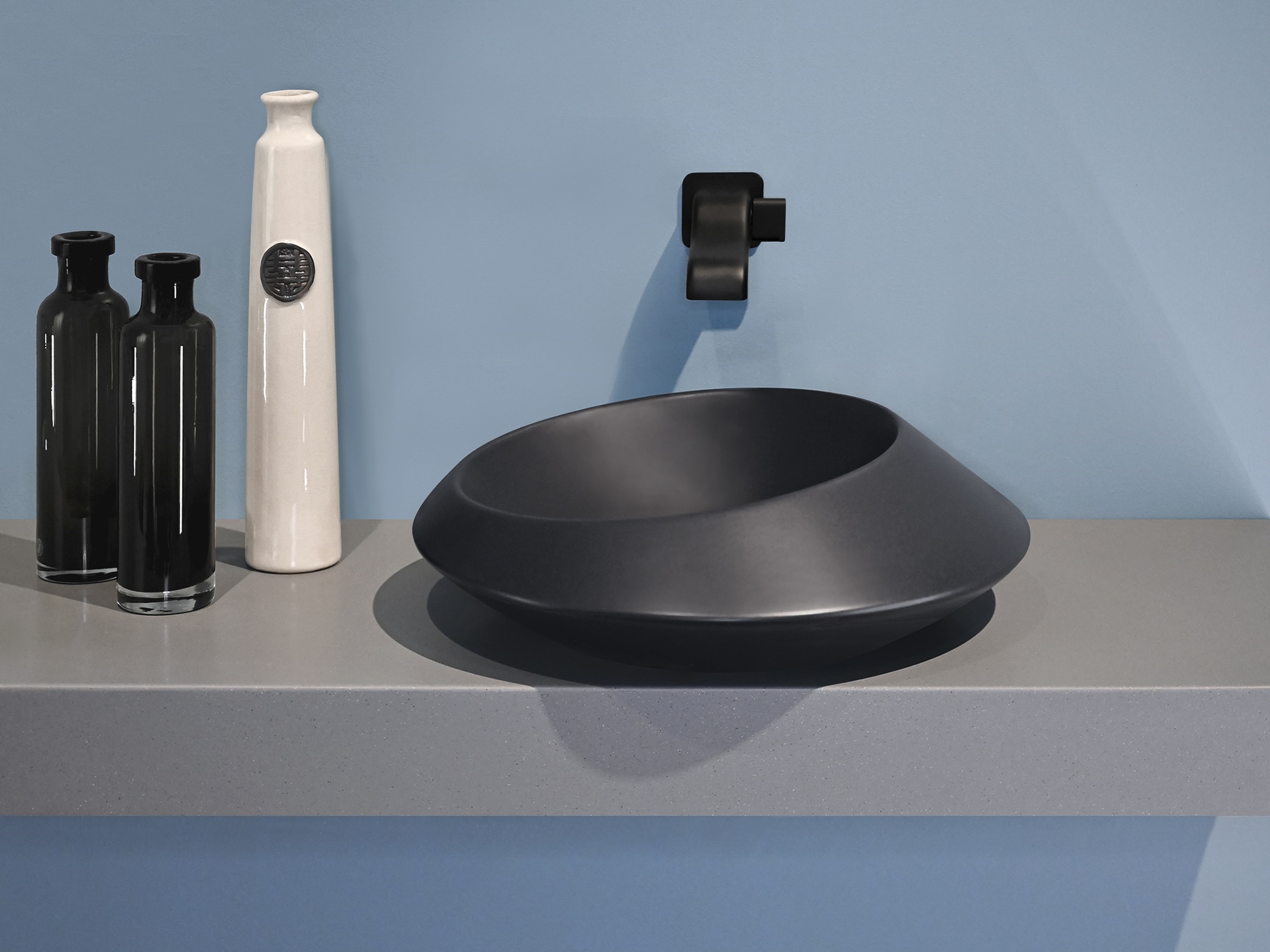
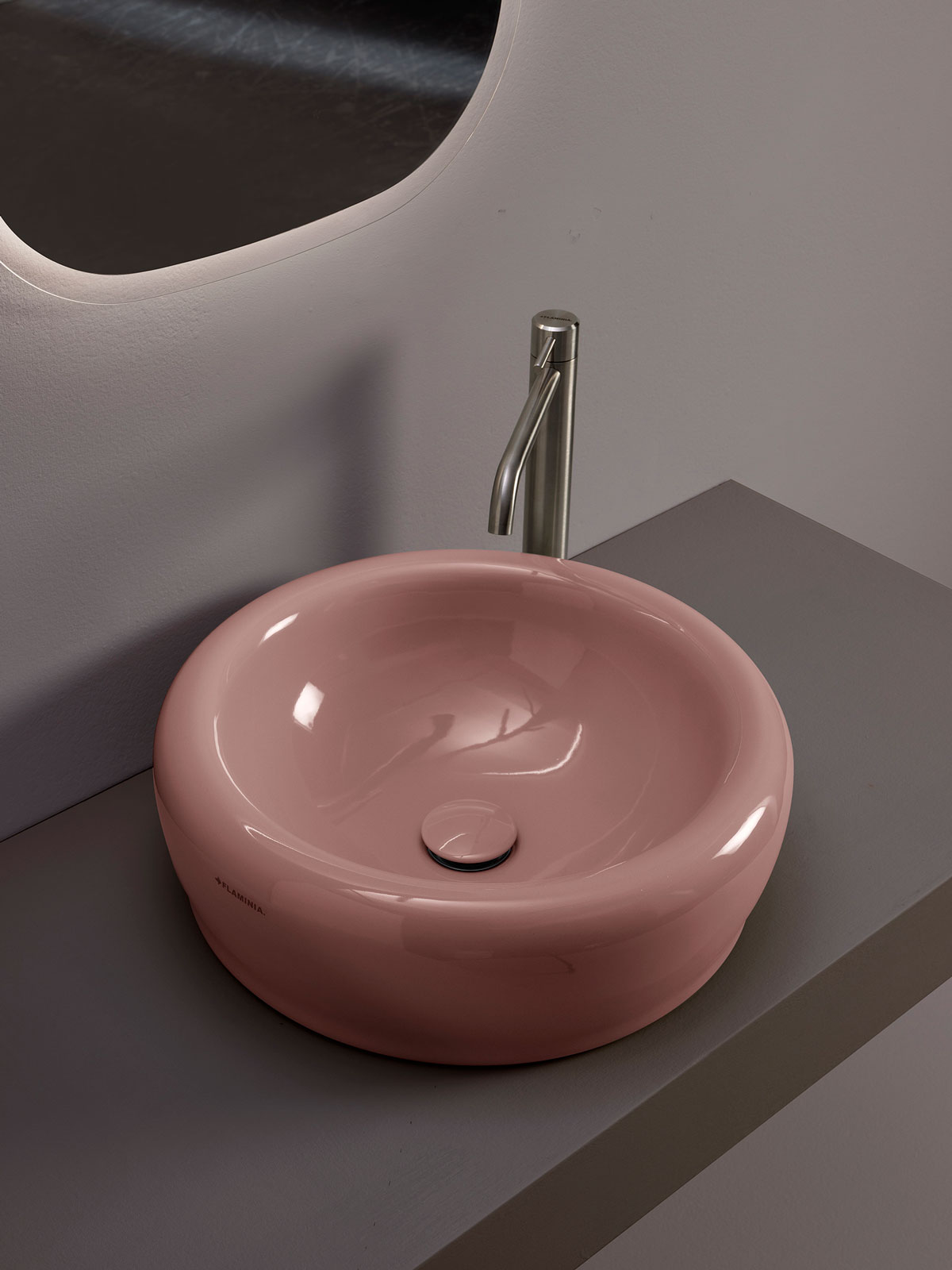
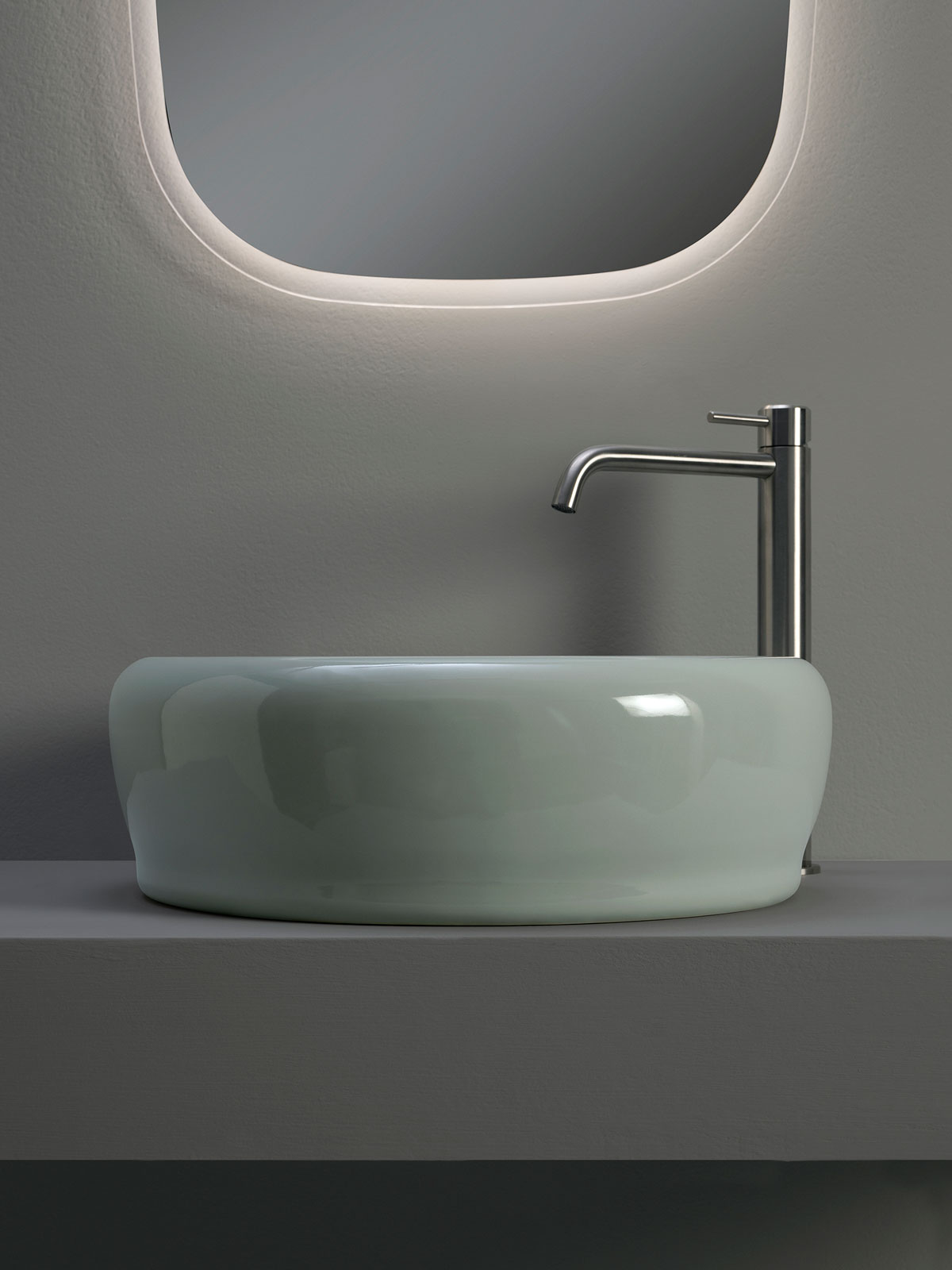
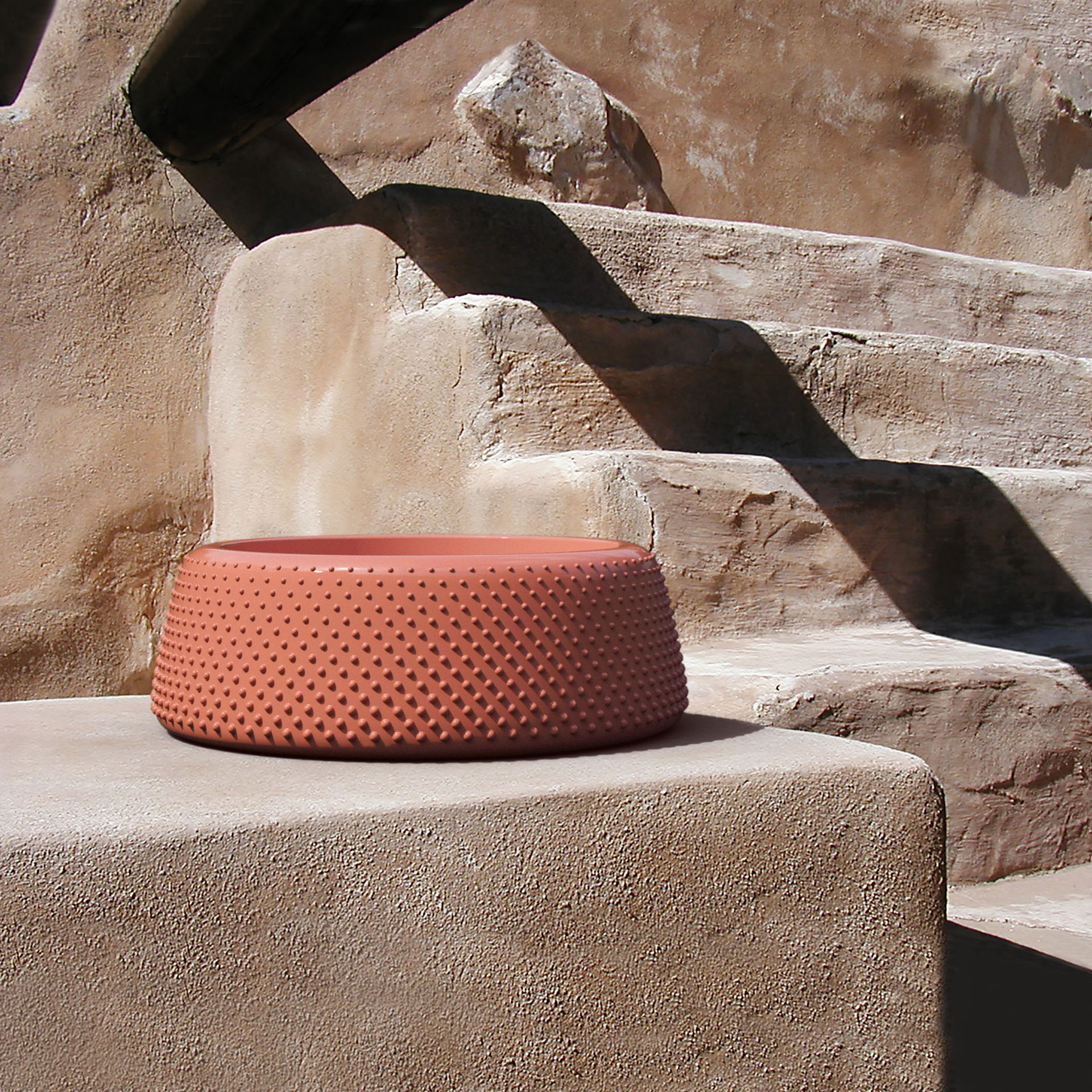
Colour has long been part of Flaminia’s identity. Its current palette moves well beyond gloss white, with matte, glossy and metallic finishes that can give ceramic either a quiet architectural presence or a deliberately expressive role. Recent collections continue this research through softer tones and surfaces developed to coordinate with furniture, taps and interior finishes.
Flaminia remains particularly relevant for private residences, hospitality interiors and architect-led projects where sanitaryware is expected to contribute to the composition of the room. Its importance lies not only in collaboration with well-known designers, but in a series of products that changed familiar bathroom typologies and opened new possibilities for ceramic.
Founded in 1955 | Italy | Headquarters: Civita Castellana