Italian heating design built on steel, colour and intelligent control
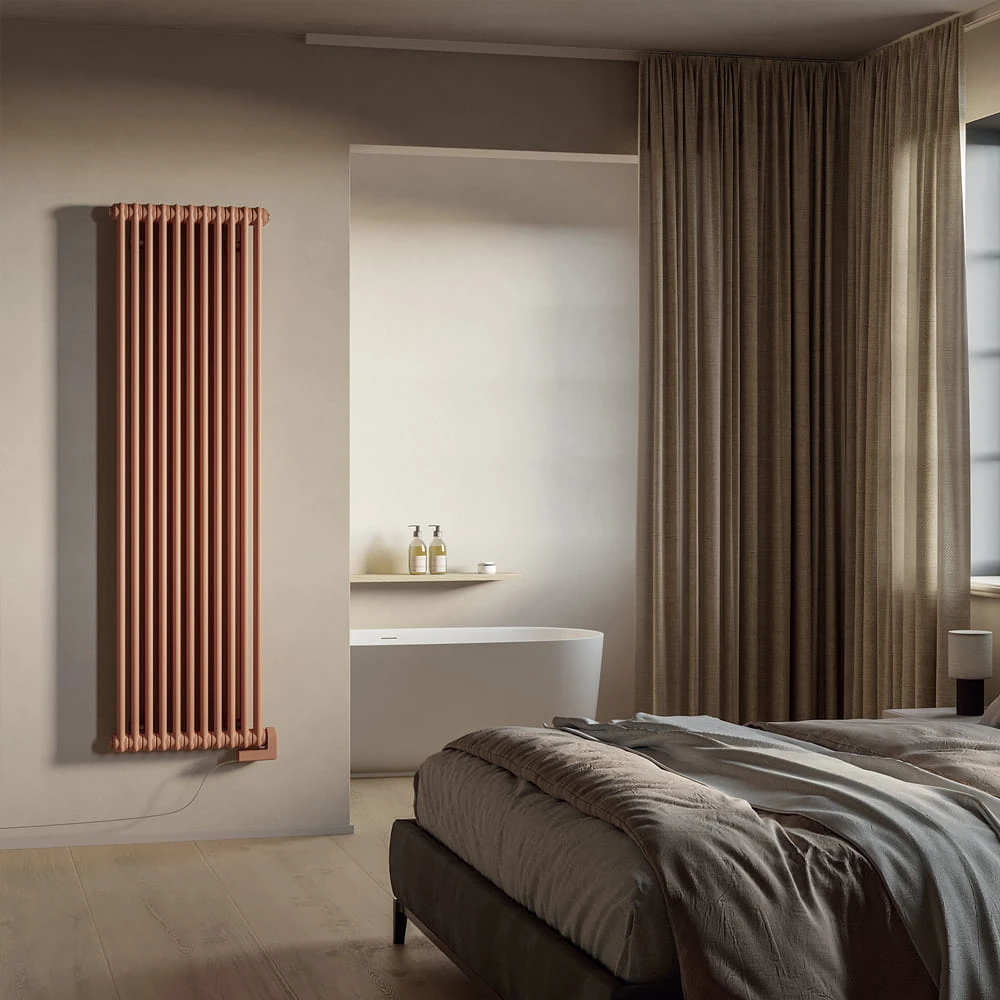
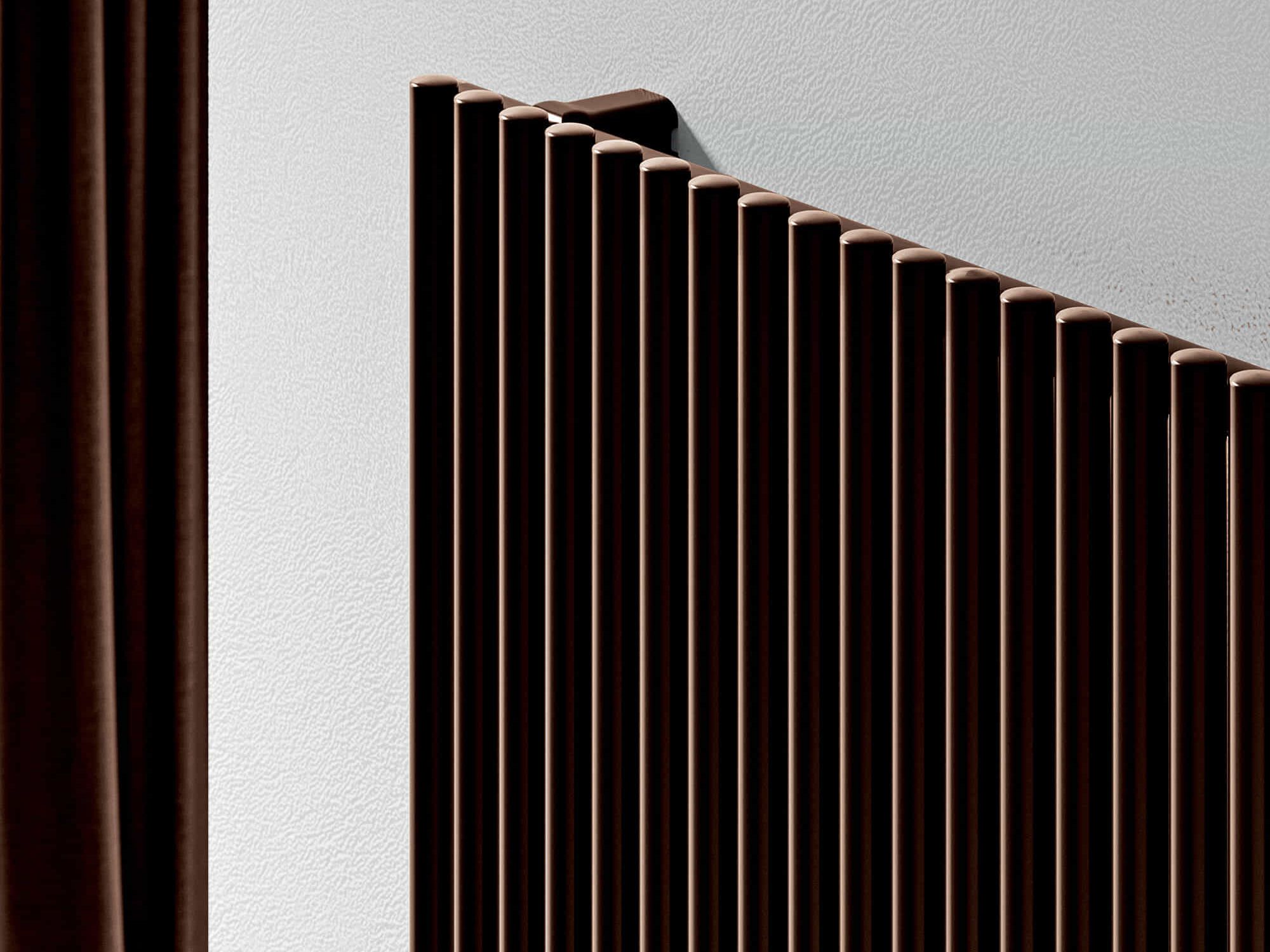
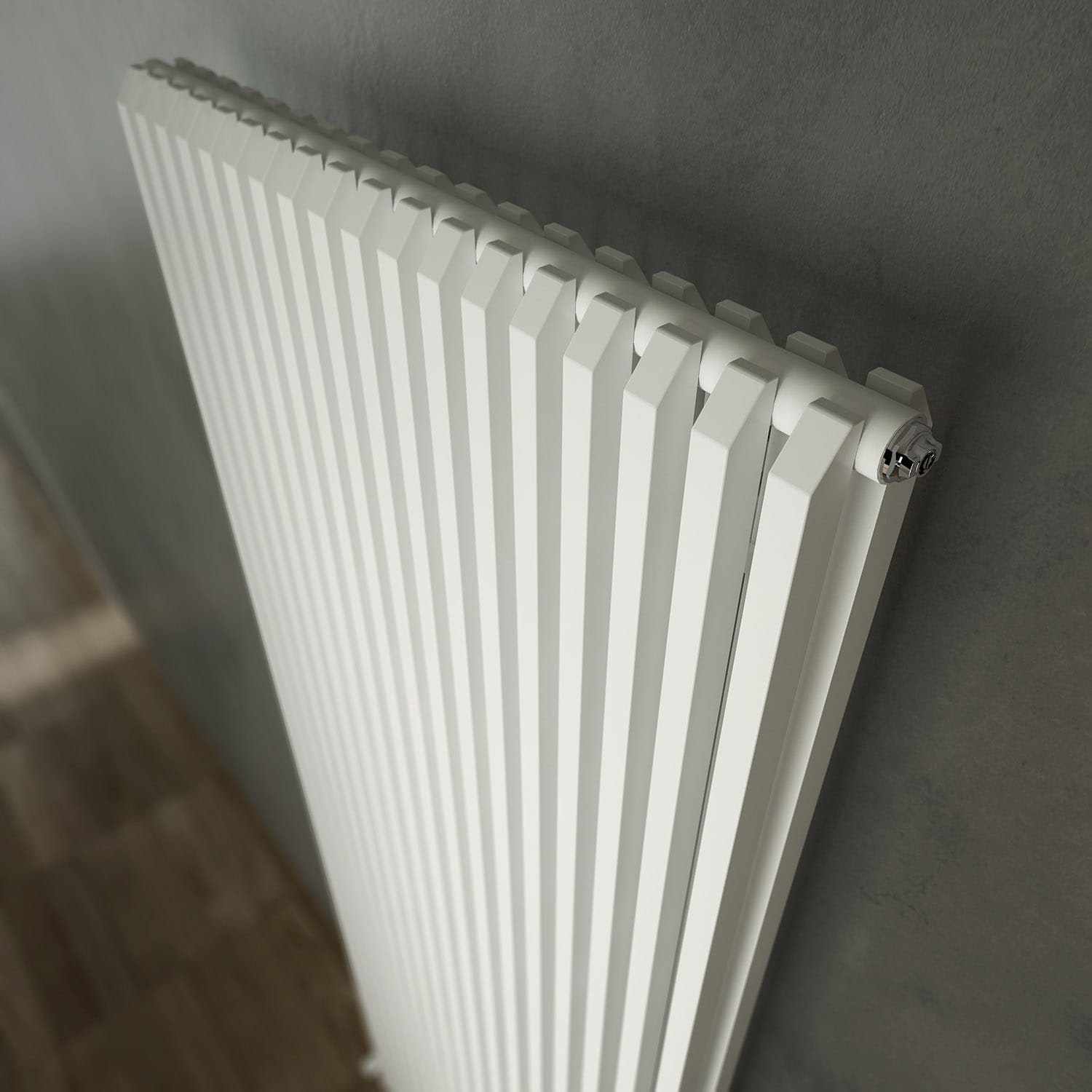
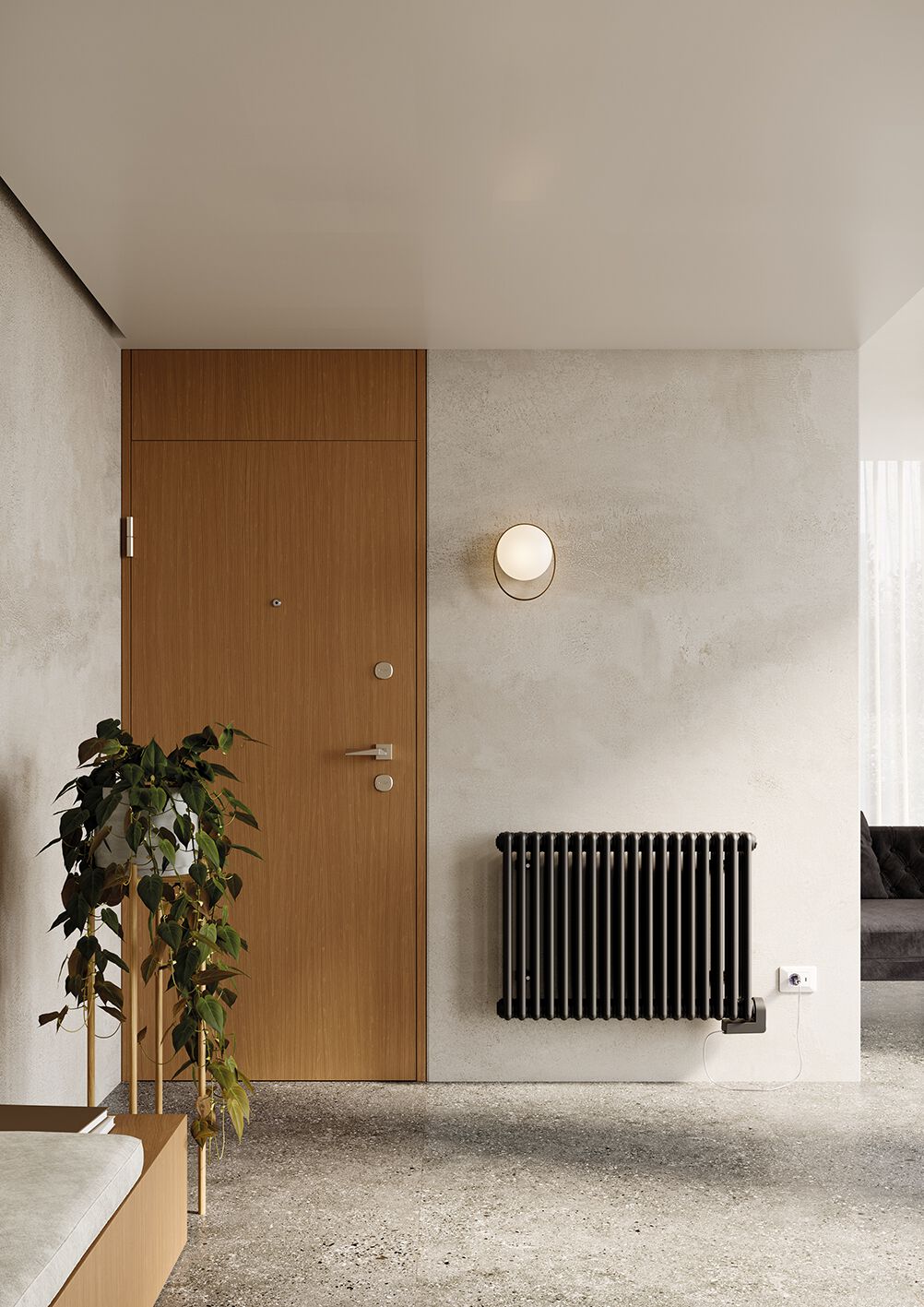
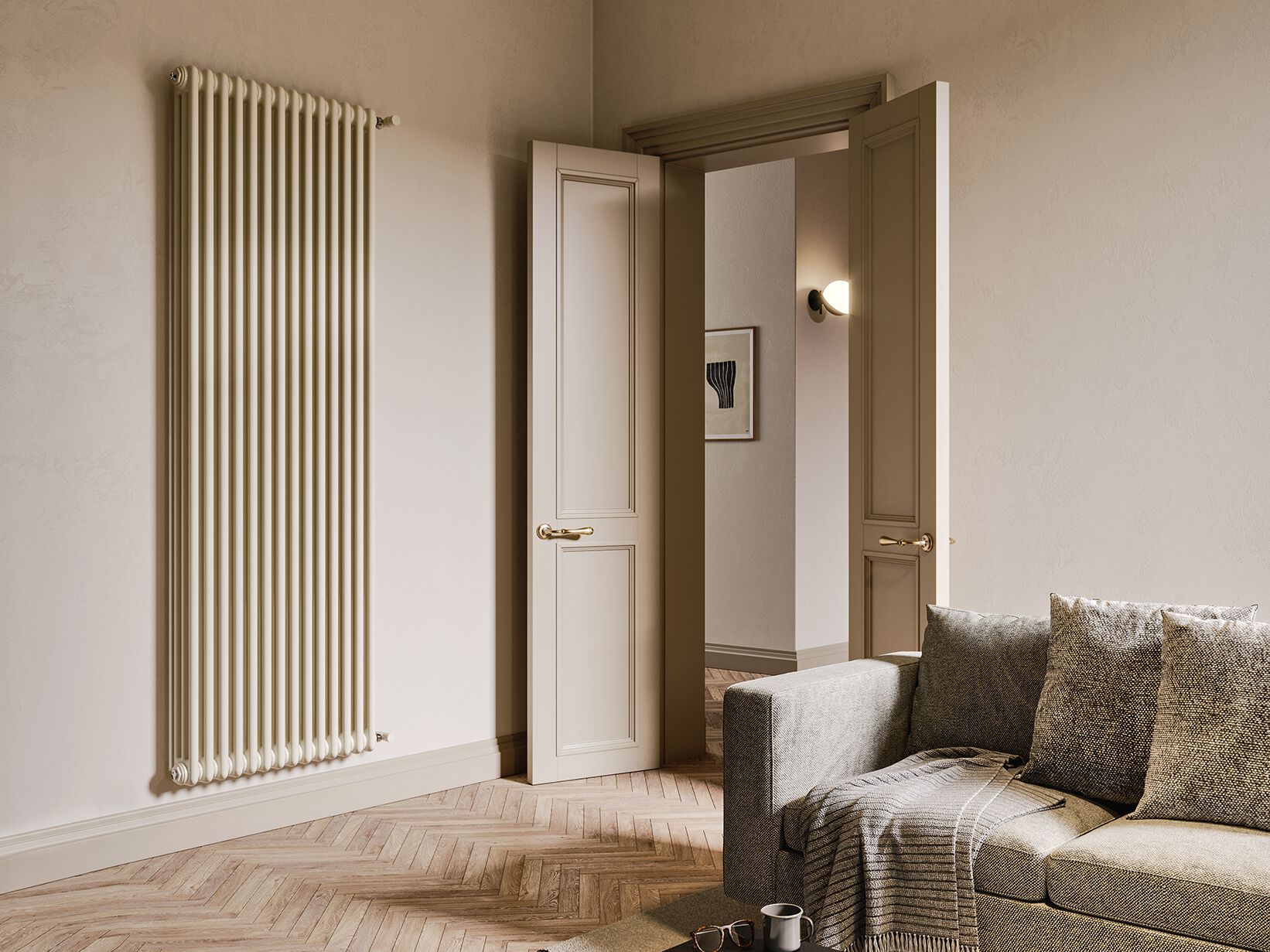
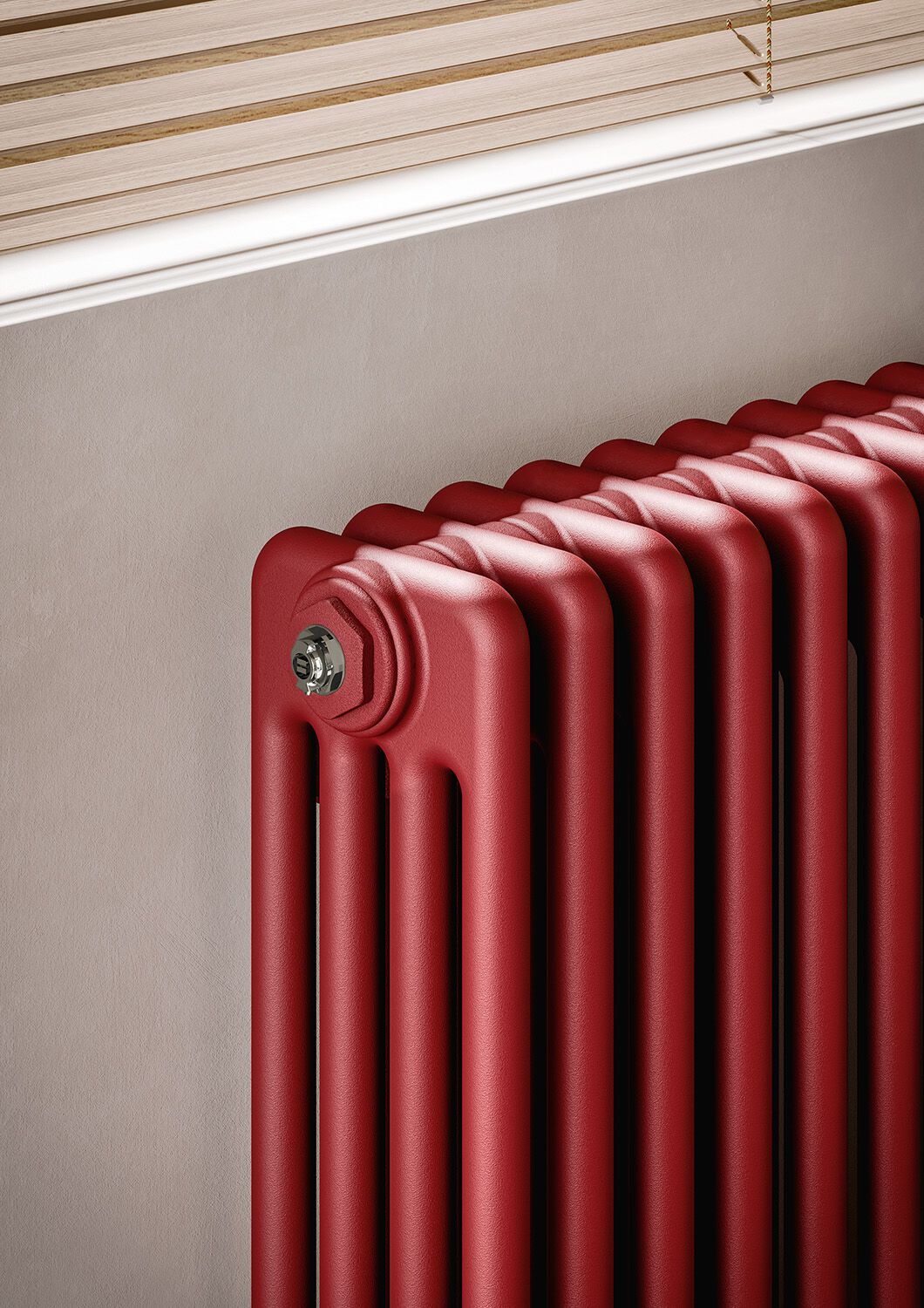
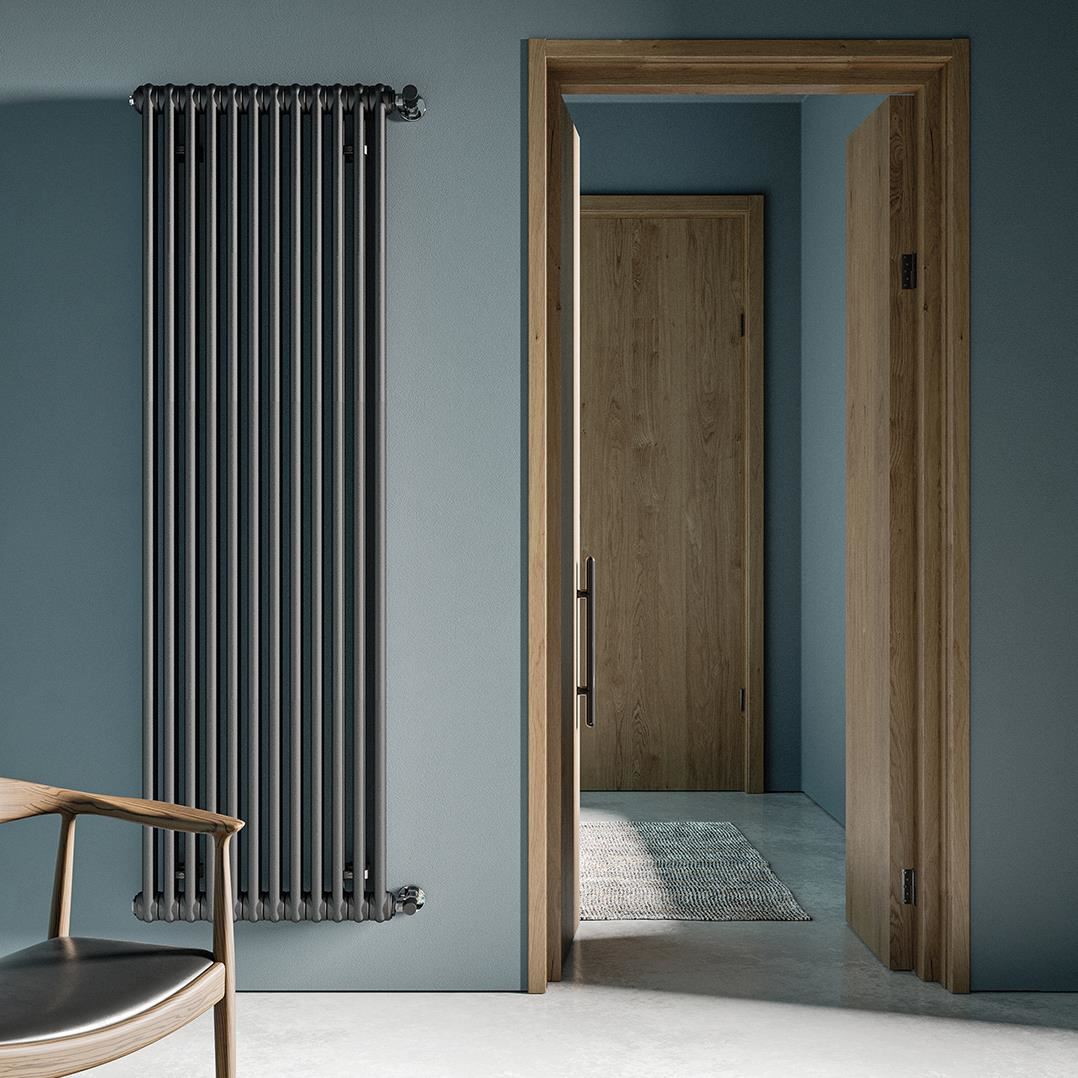
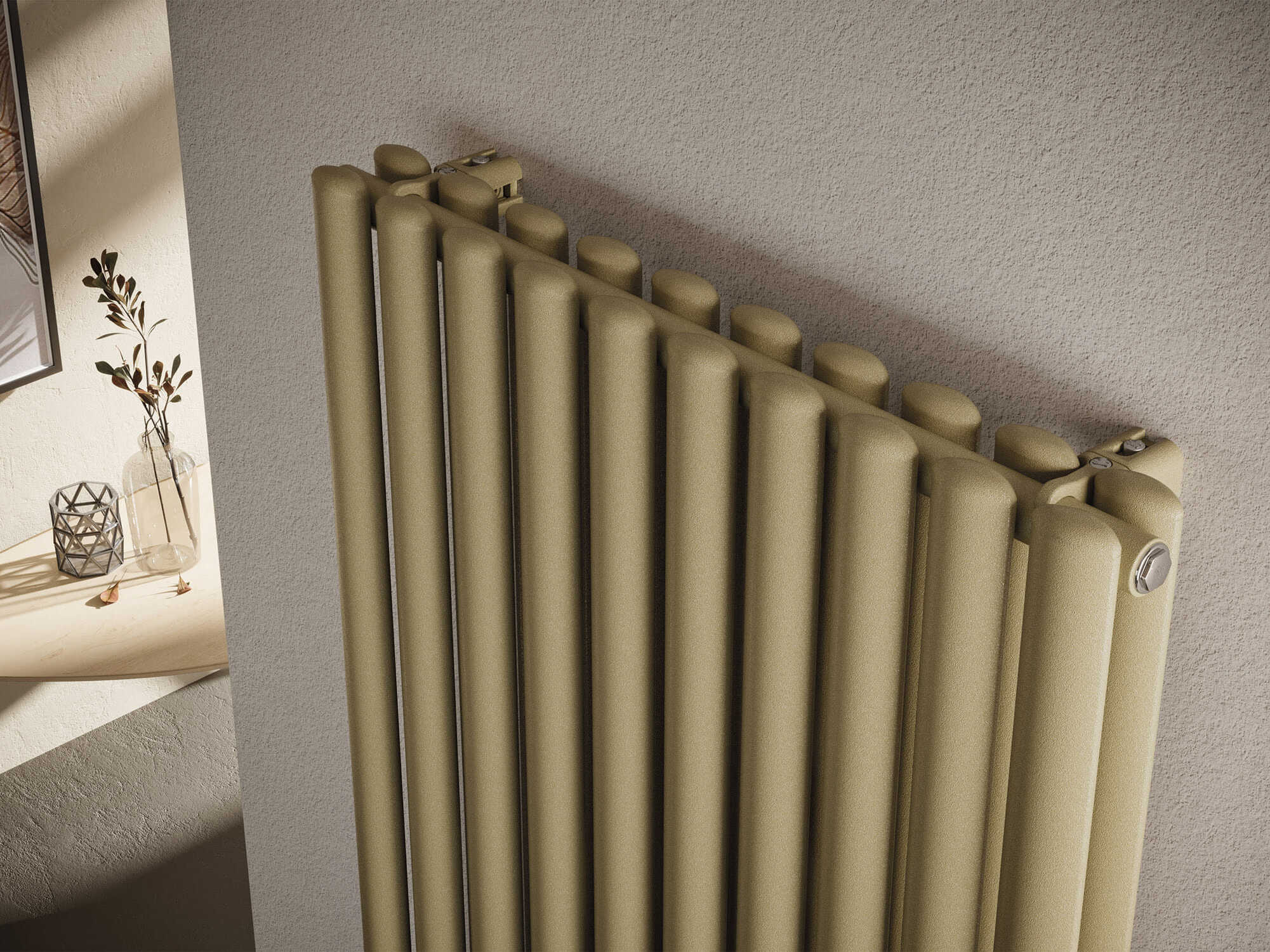
IRSAP was founded in 1963 in Arquà Polesine, near Rovigo, and began producing steel radiators from the outset. Its history is closely connected to the development of the modern tubular radiator. Introduced in 1967, TESI became one of the company’s defining products and remains in production today, valued for the flexibility of its multicolumn construction and its ability to adapt to both contemporary and traditional interiors.
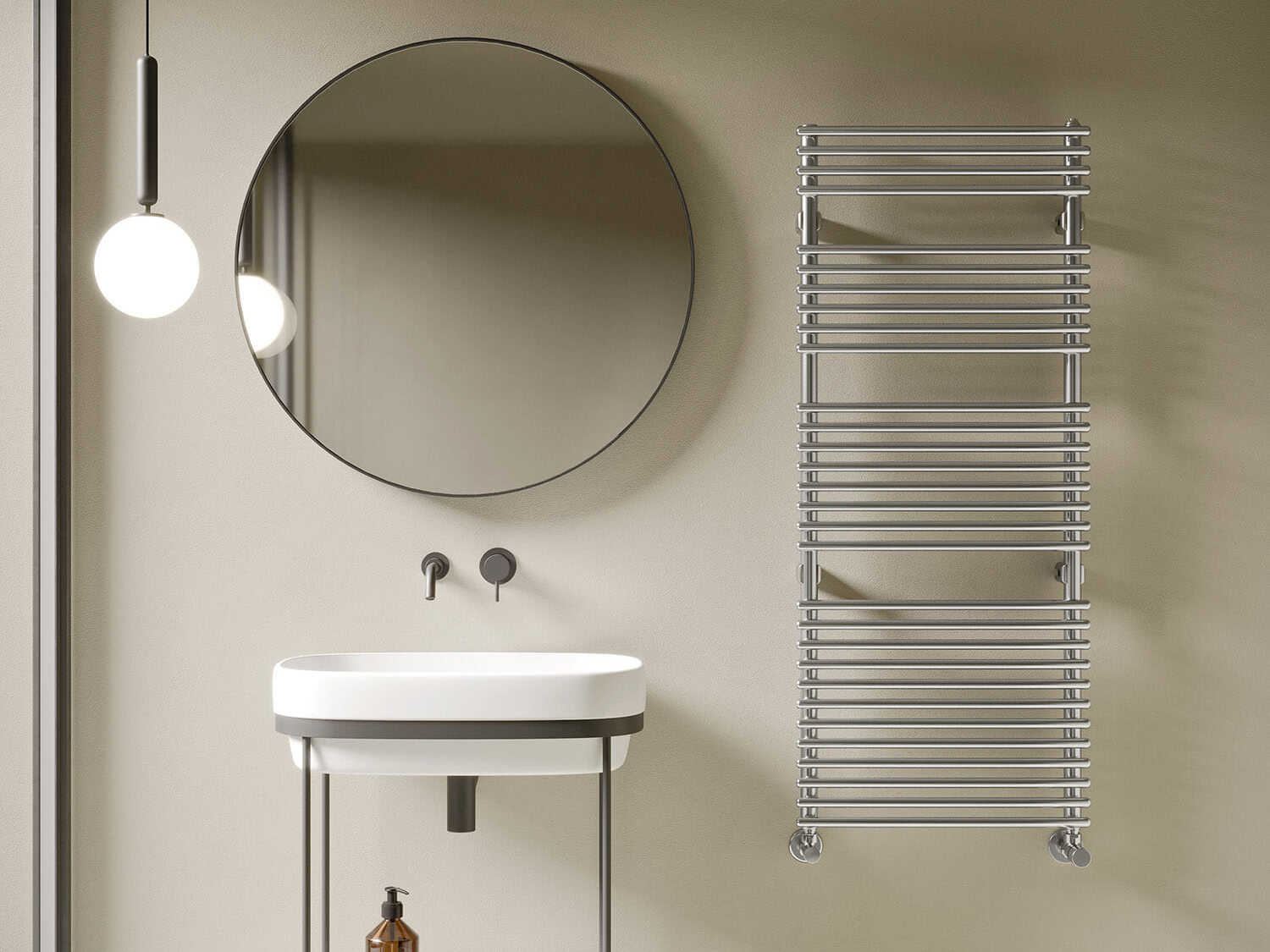
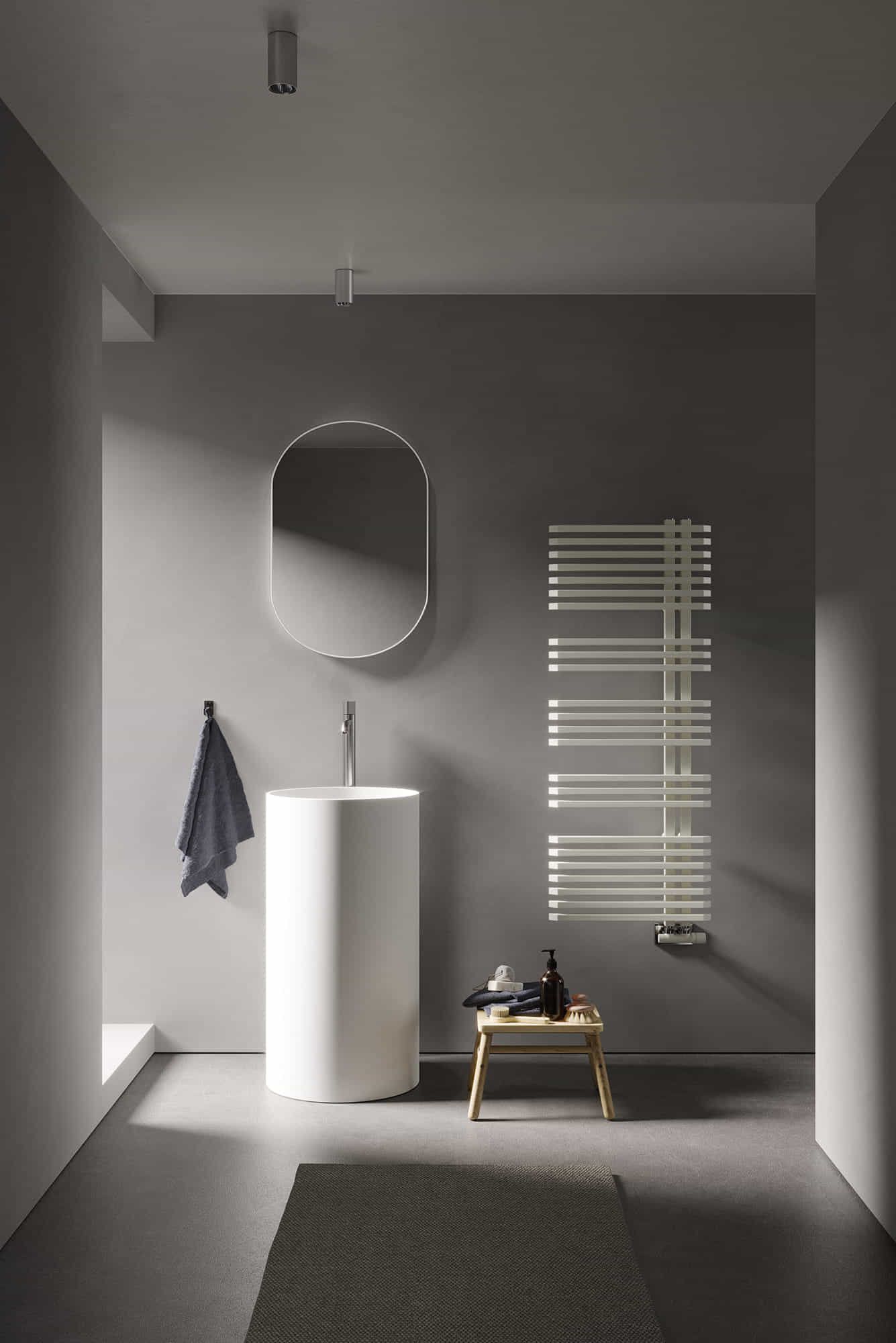
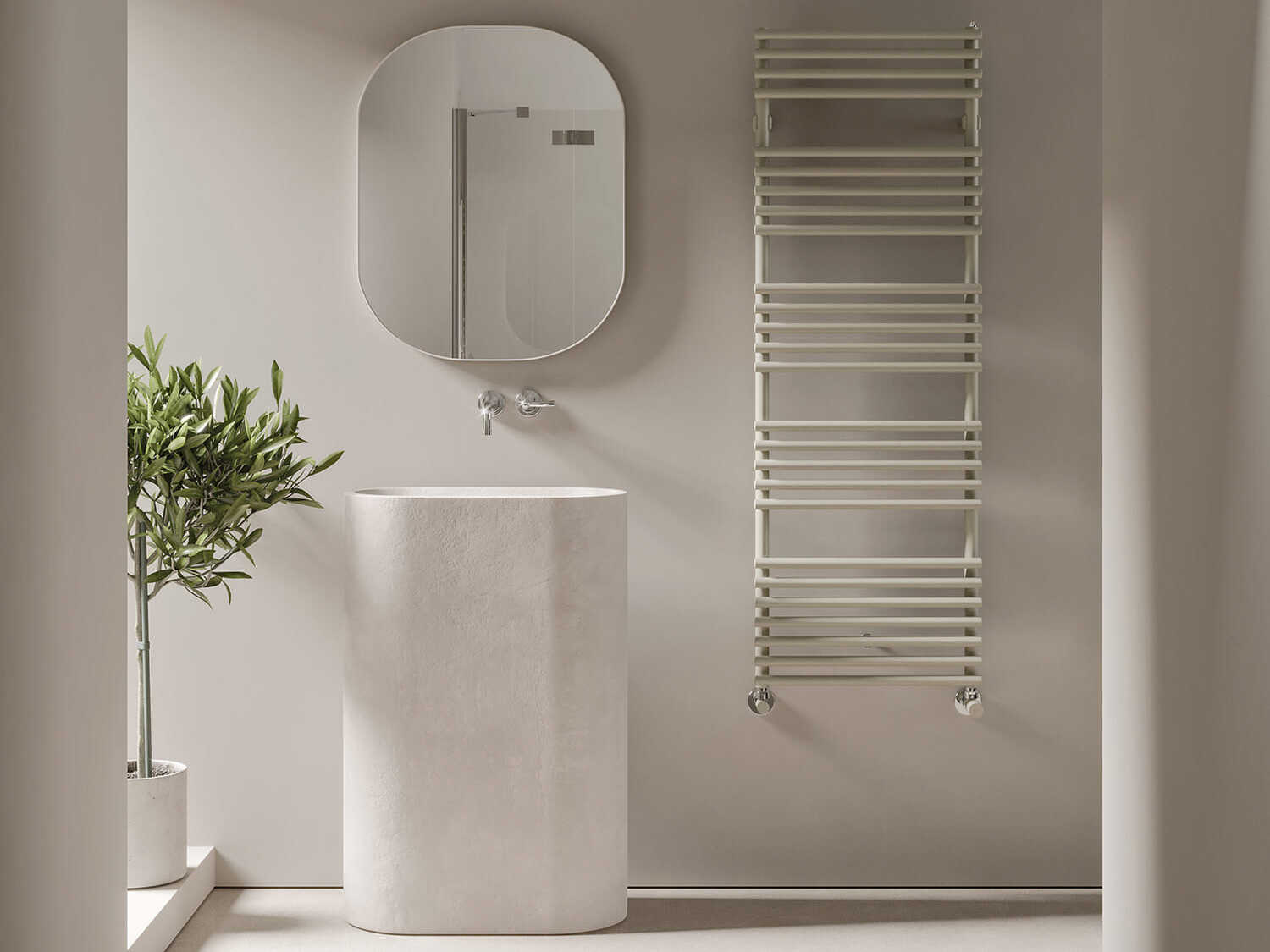
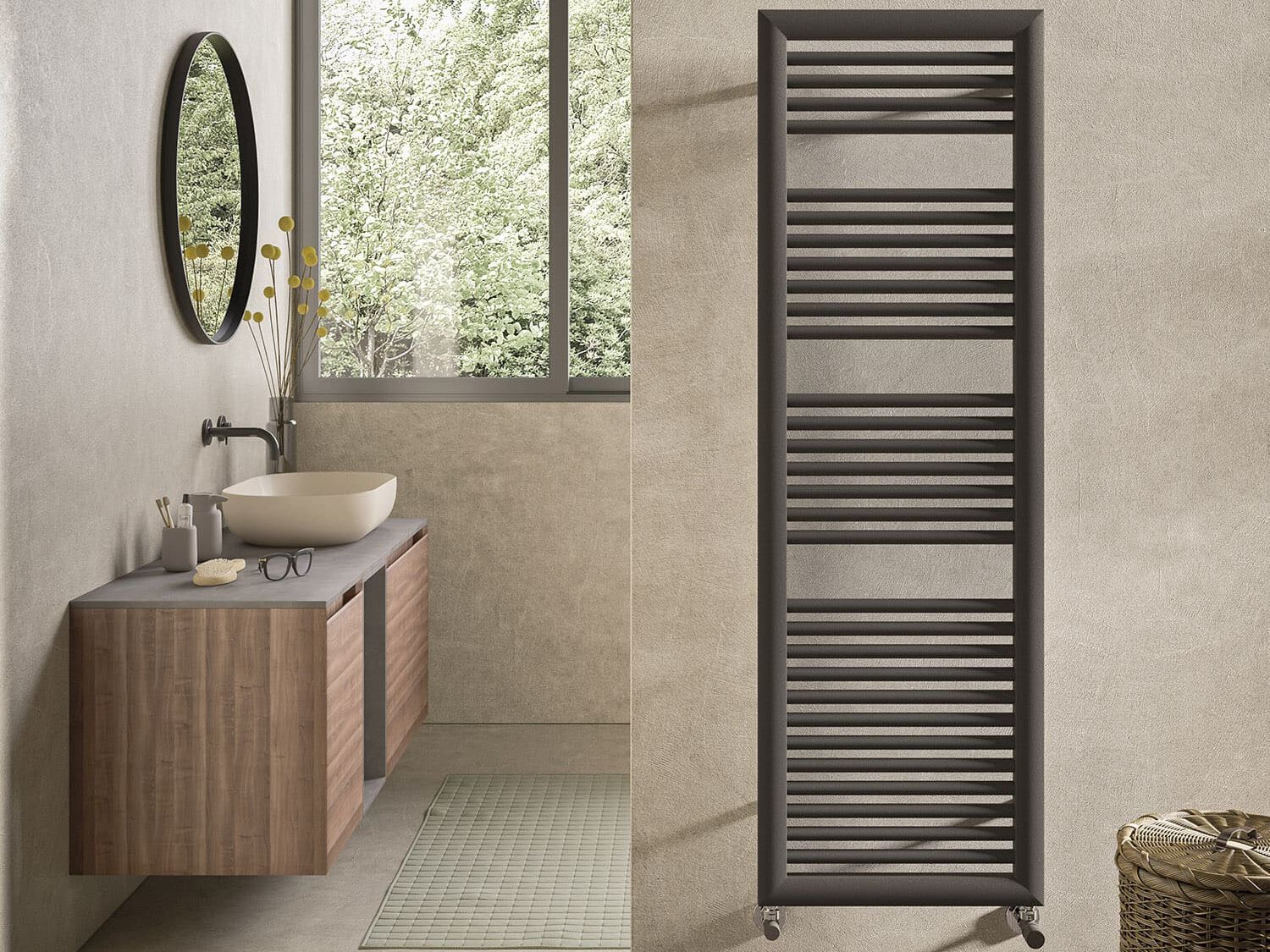
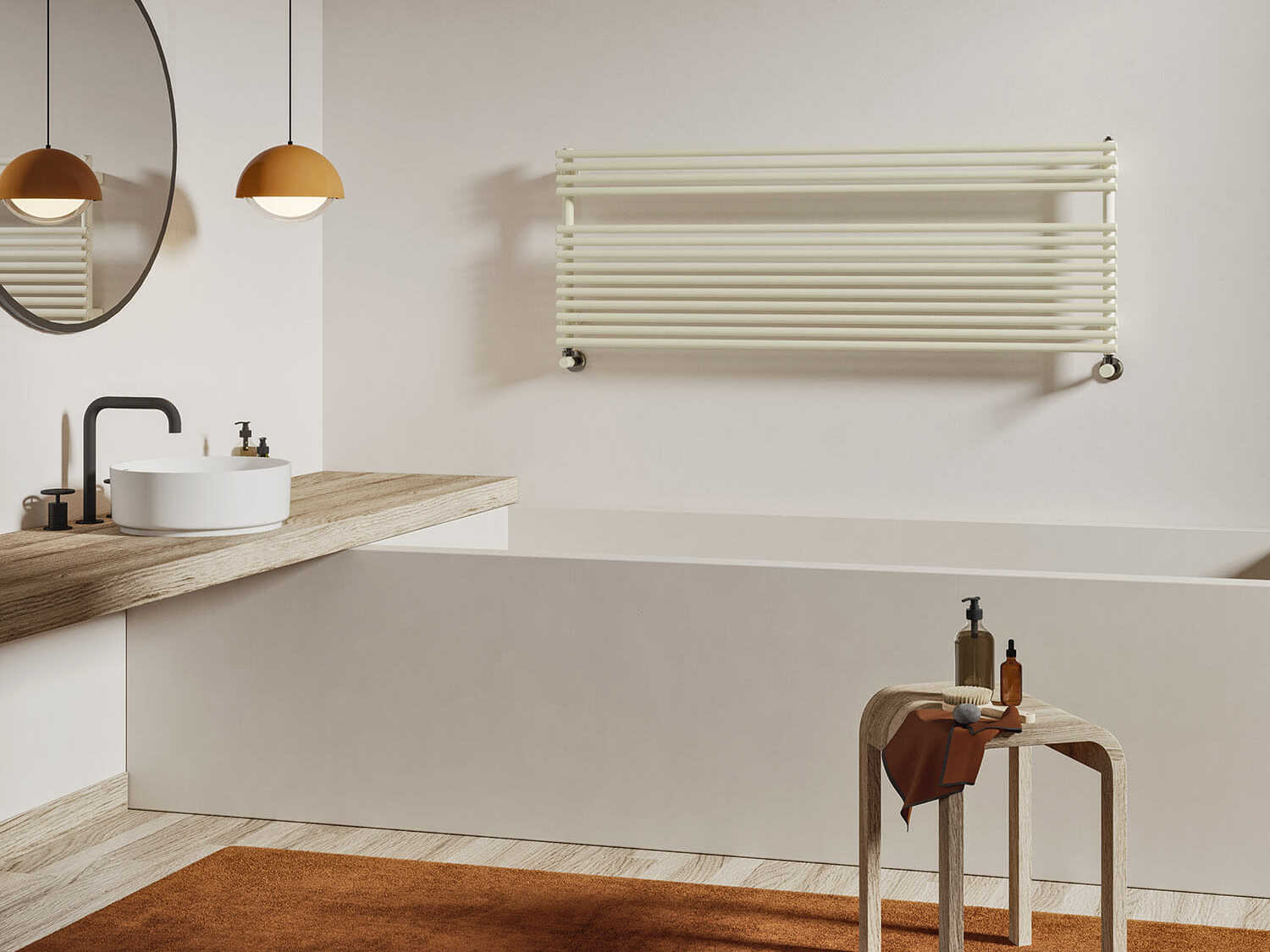
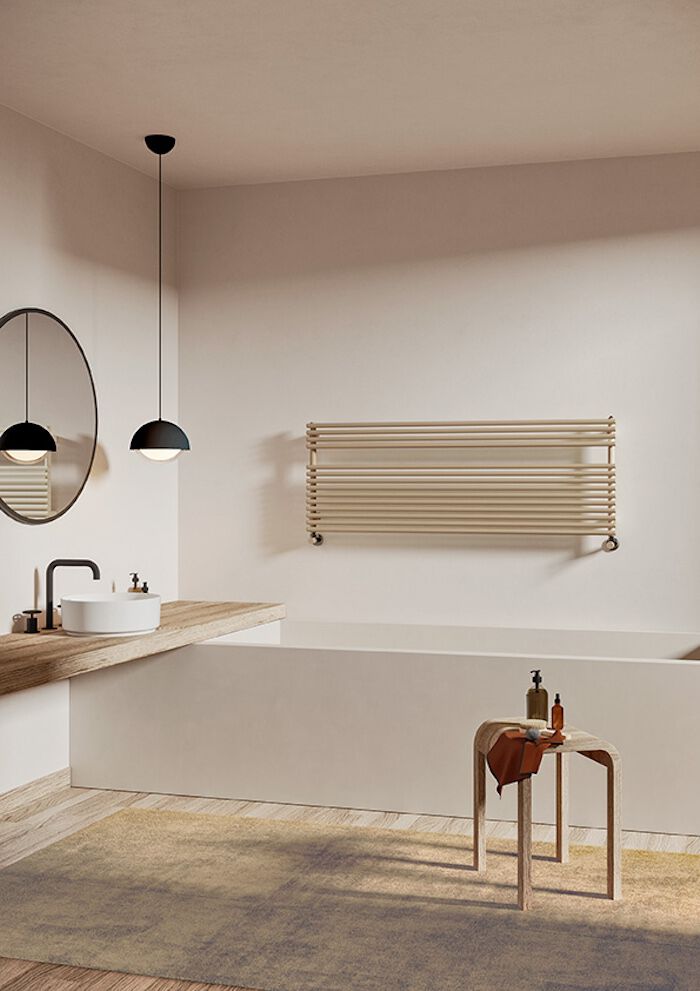
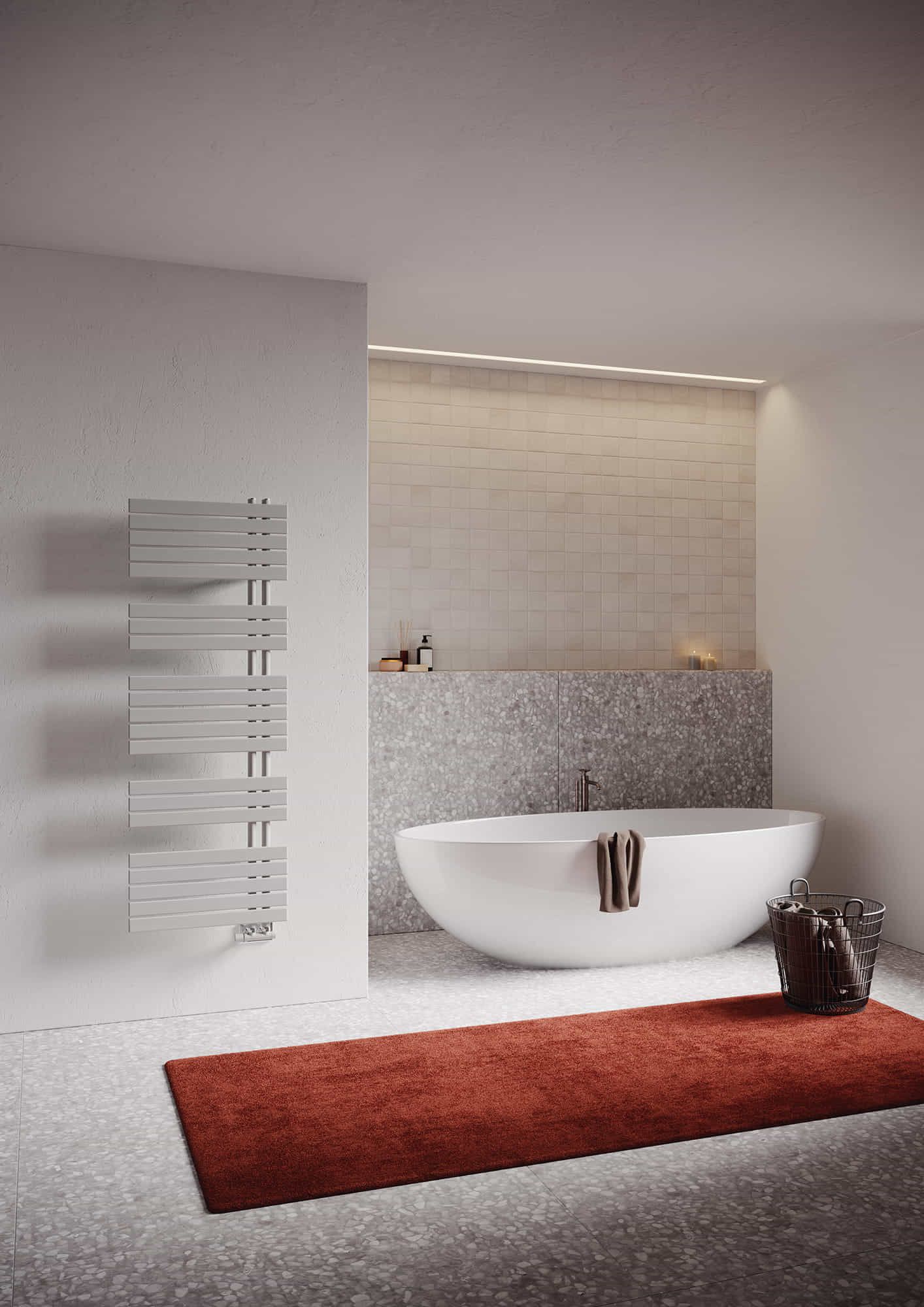
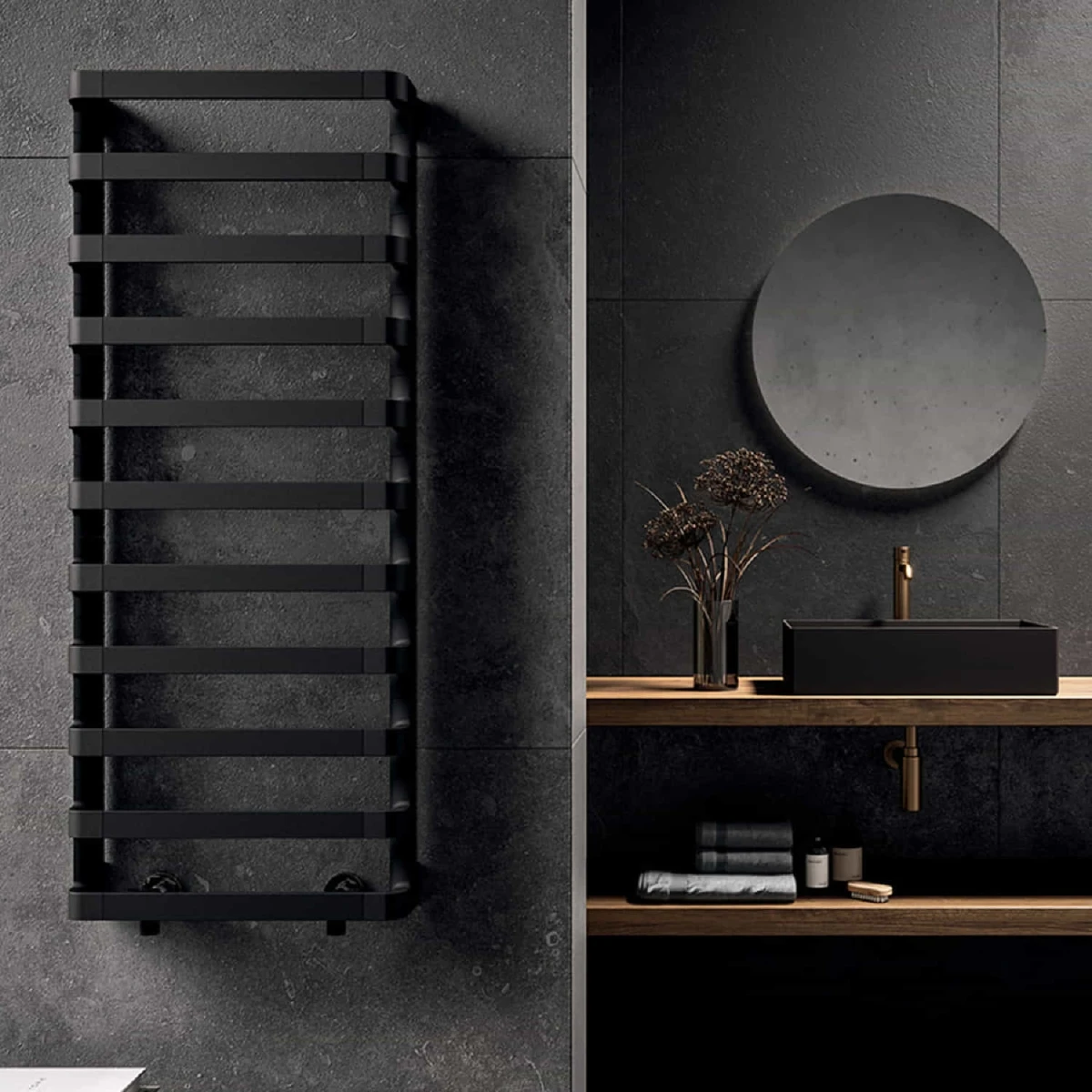
The company helped change the role of the radiator in Italy during the 1980s, treating it as part of the interior rather than a purely technical component. In 1981, NOVO introduced a radiator specifically developed for the bathroom, while the later I Termoarredatori concept brought shape, colour and function together within a new category of heating products designed to be seen.
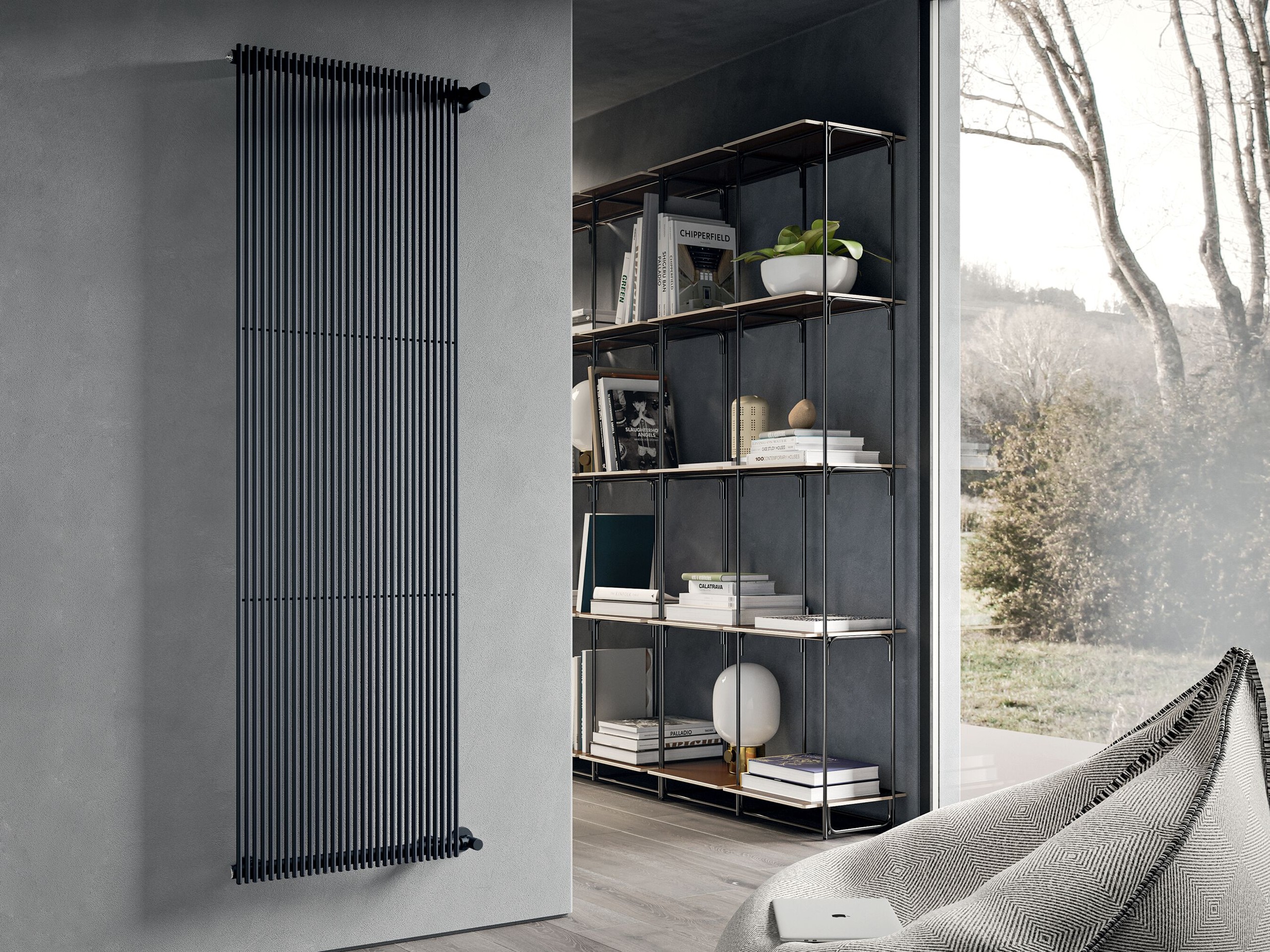
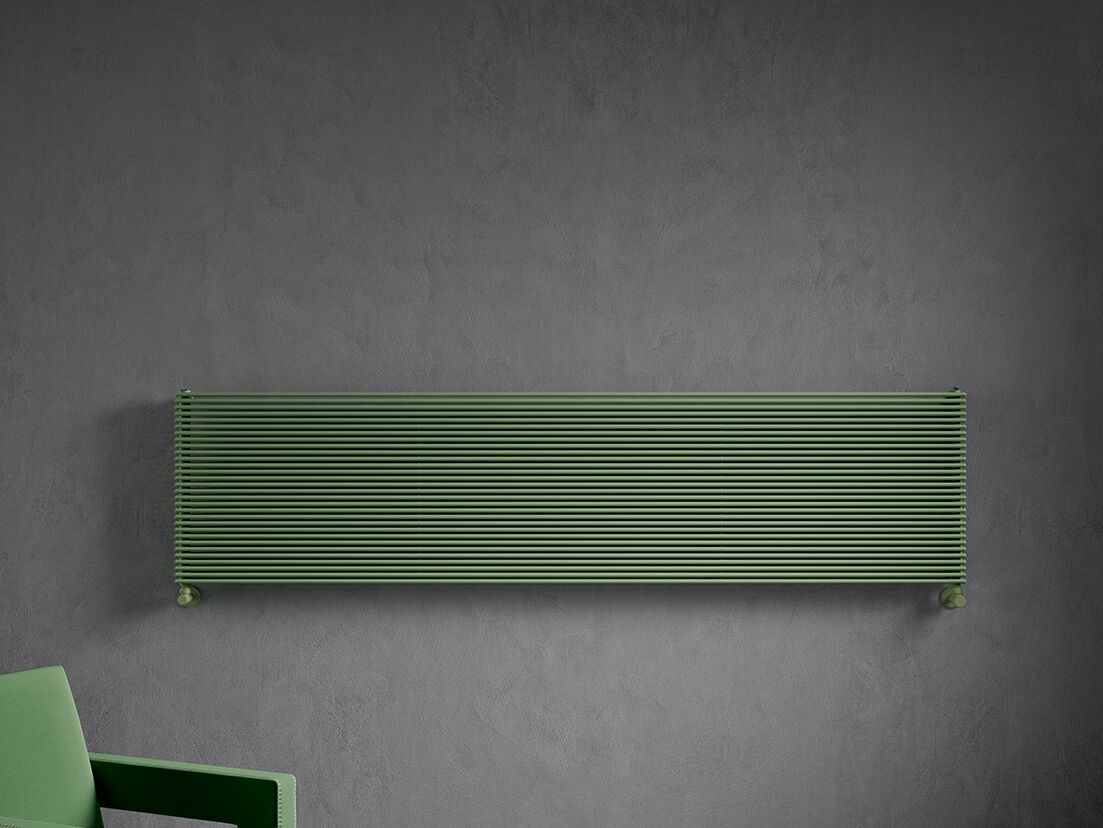
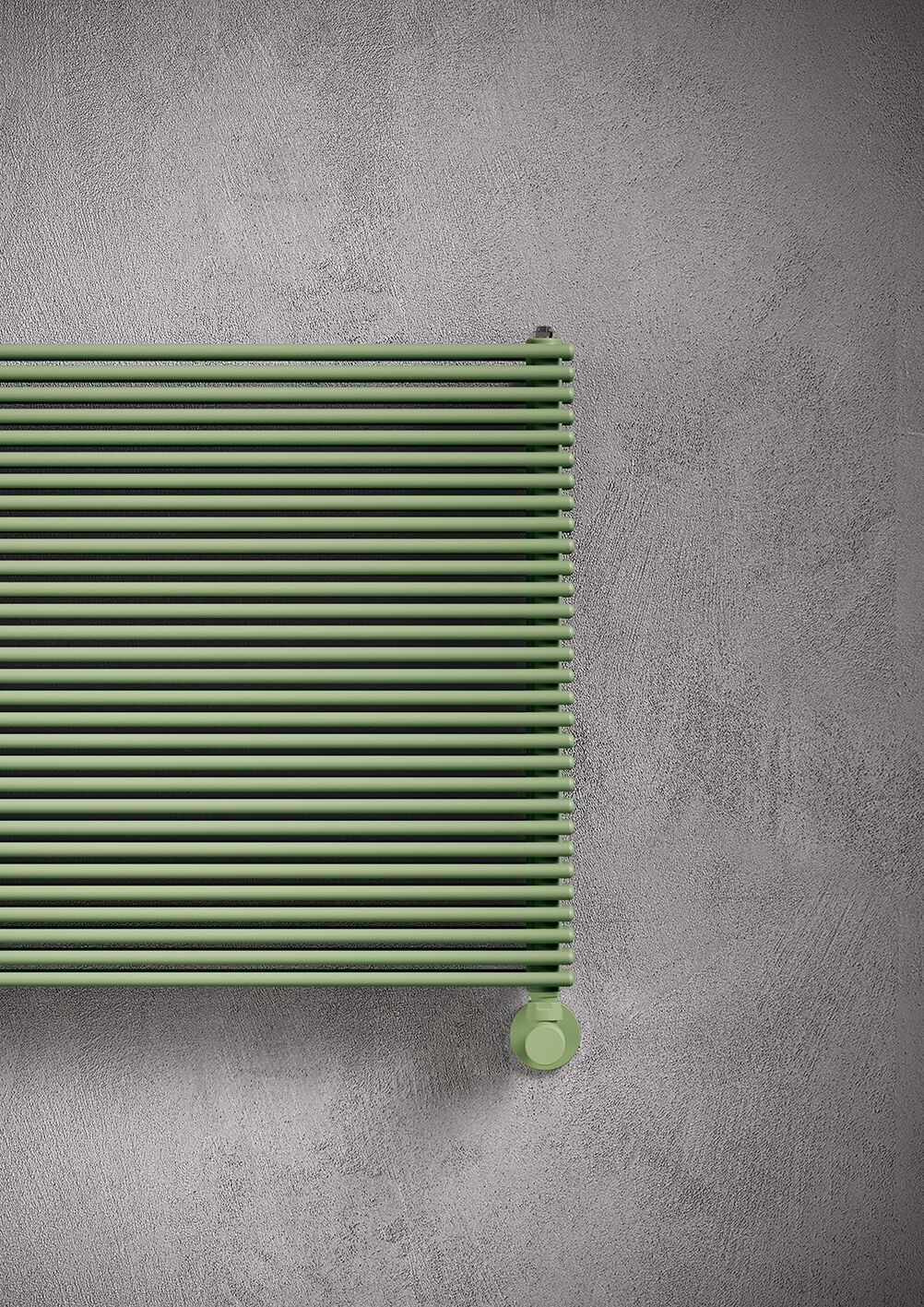
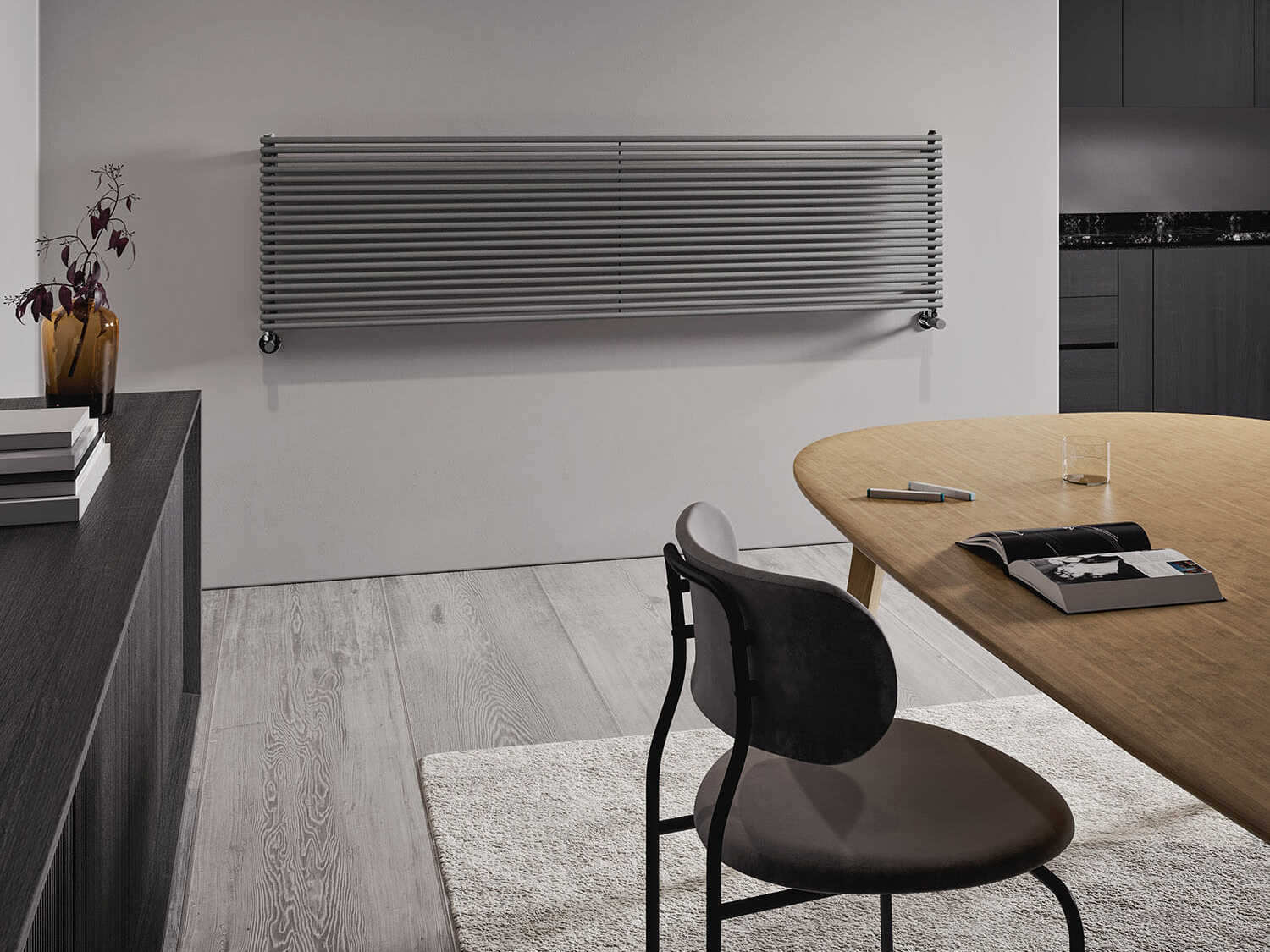
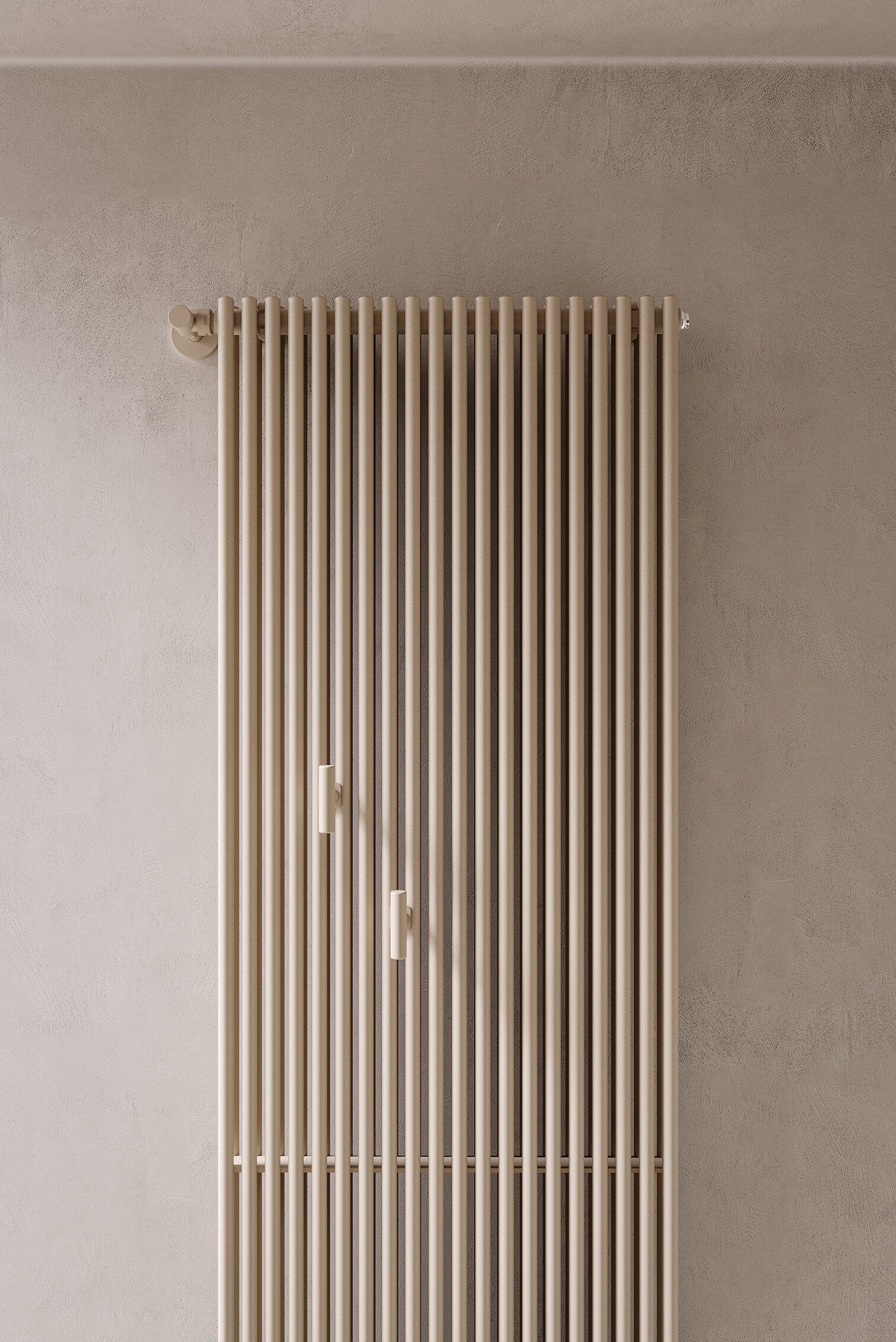
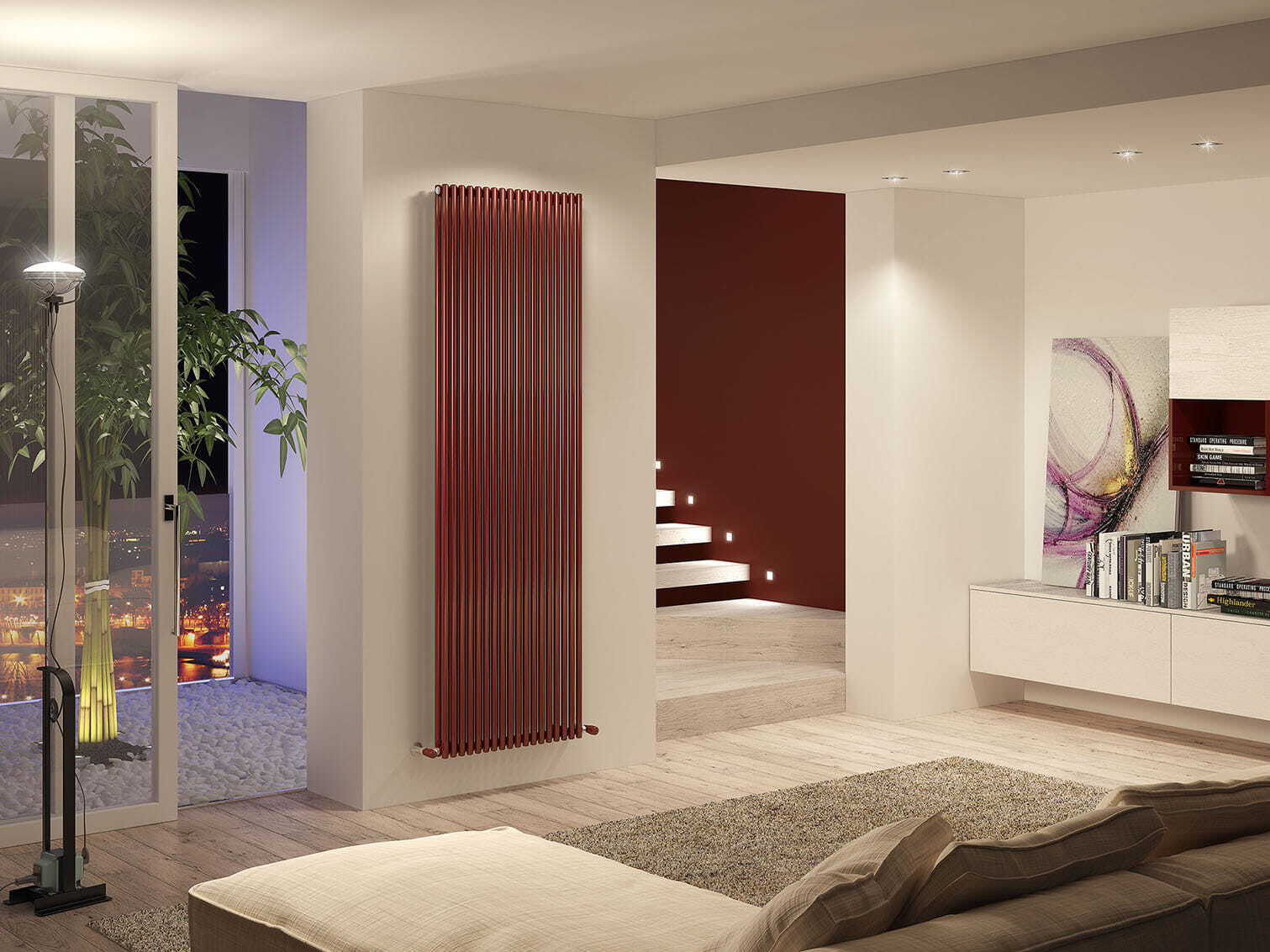
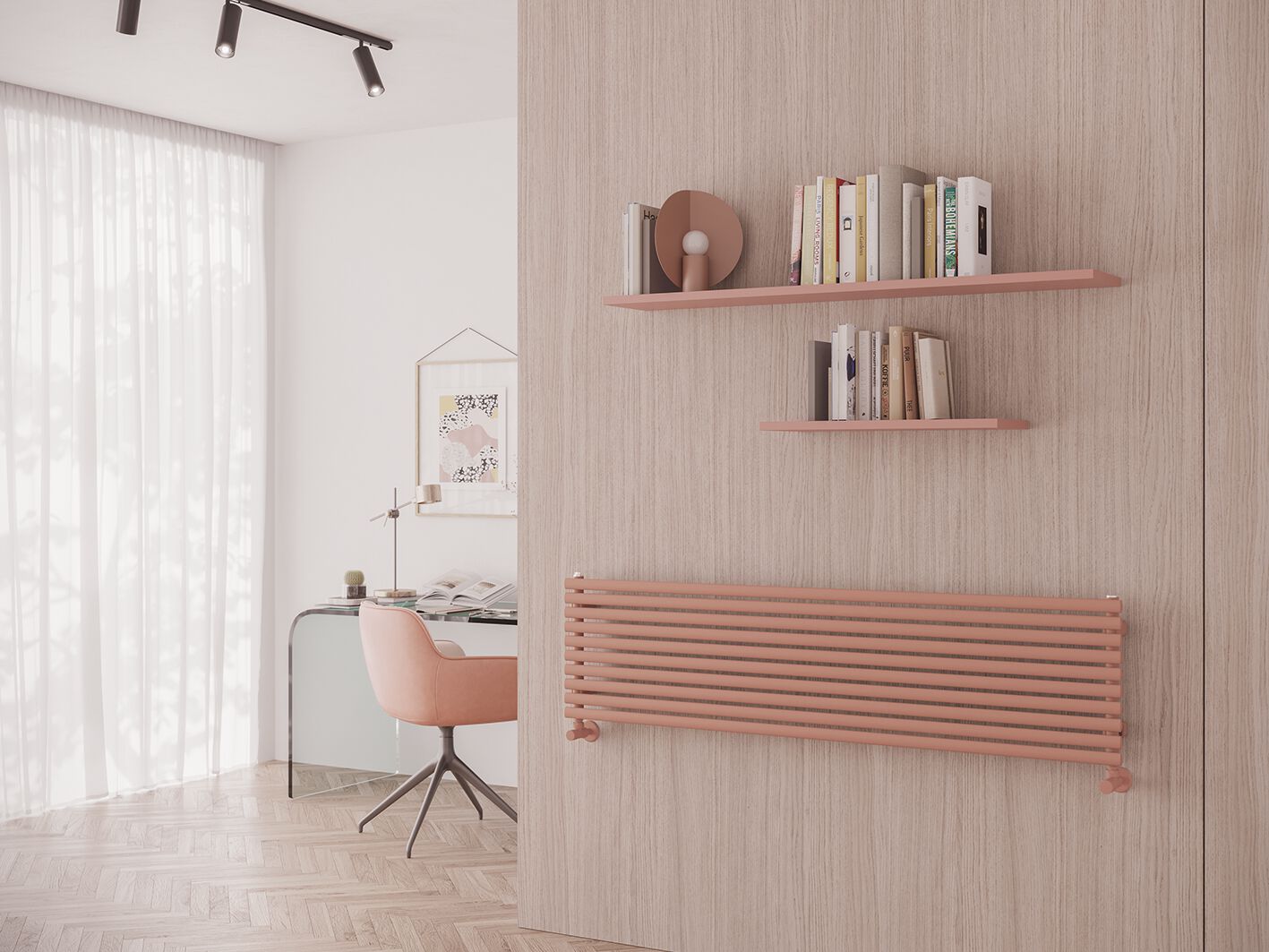
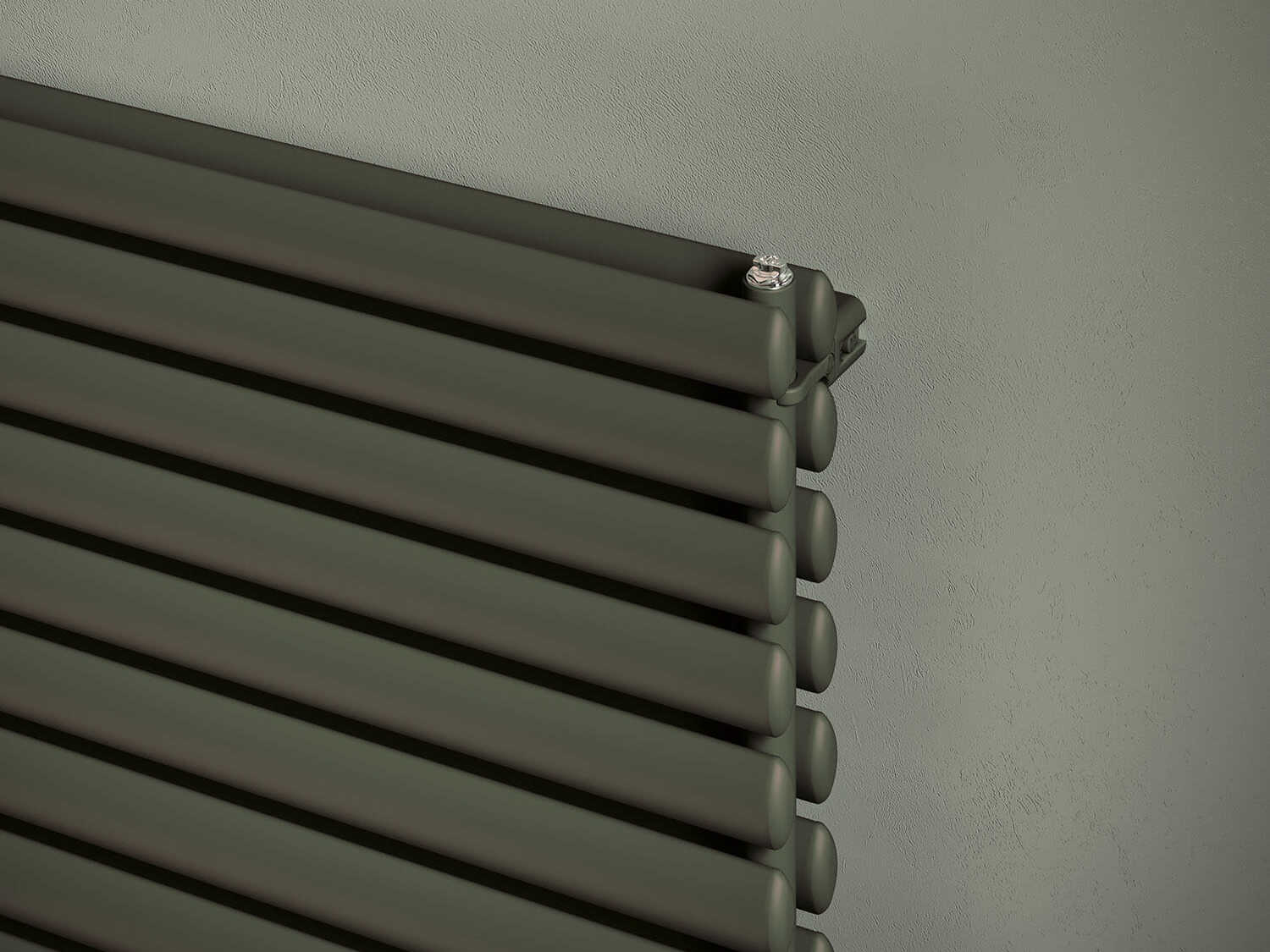
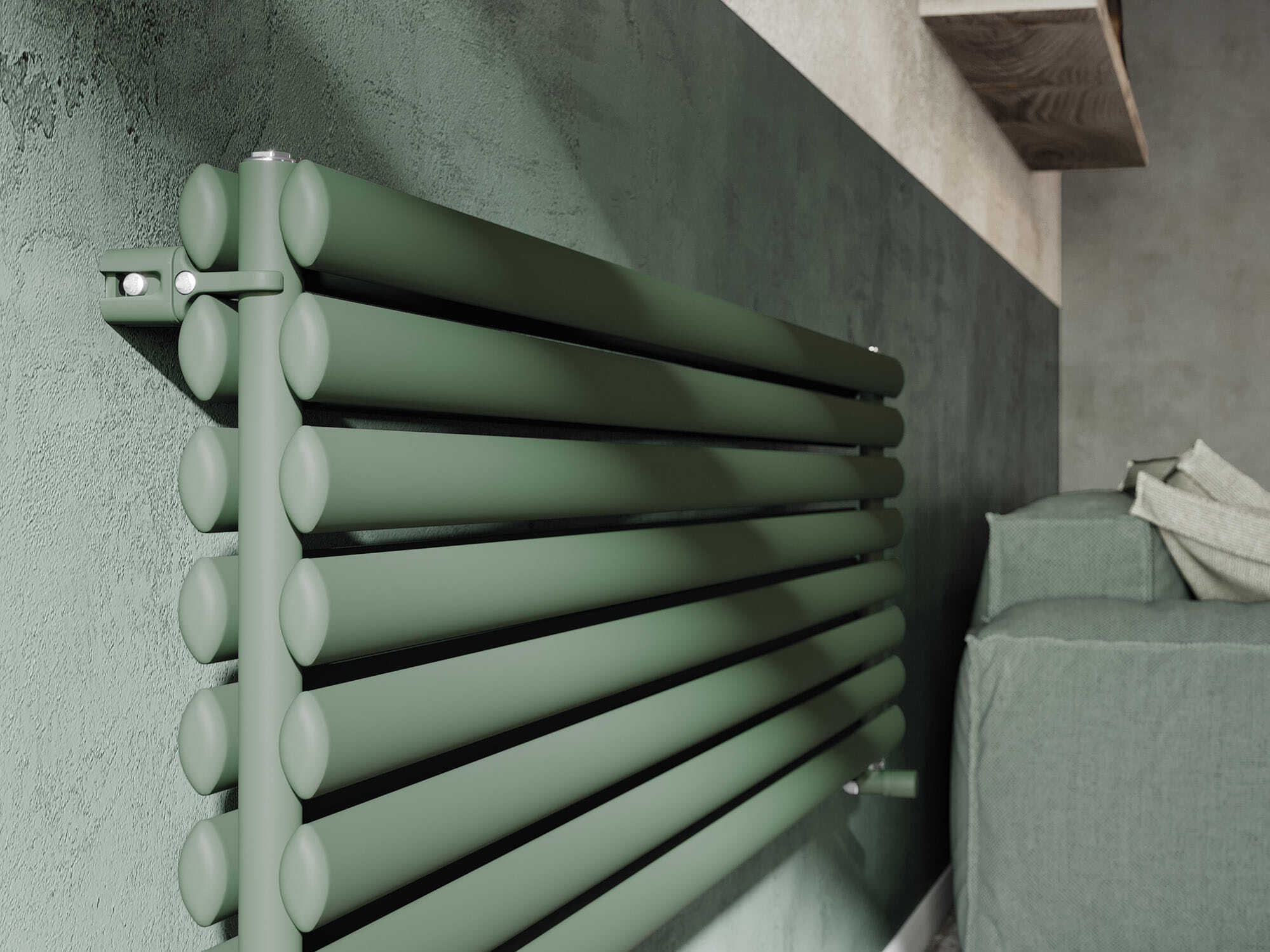
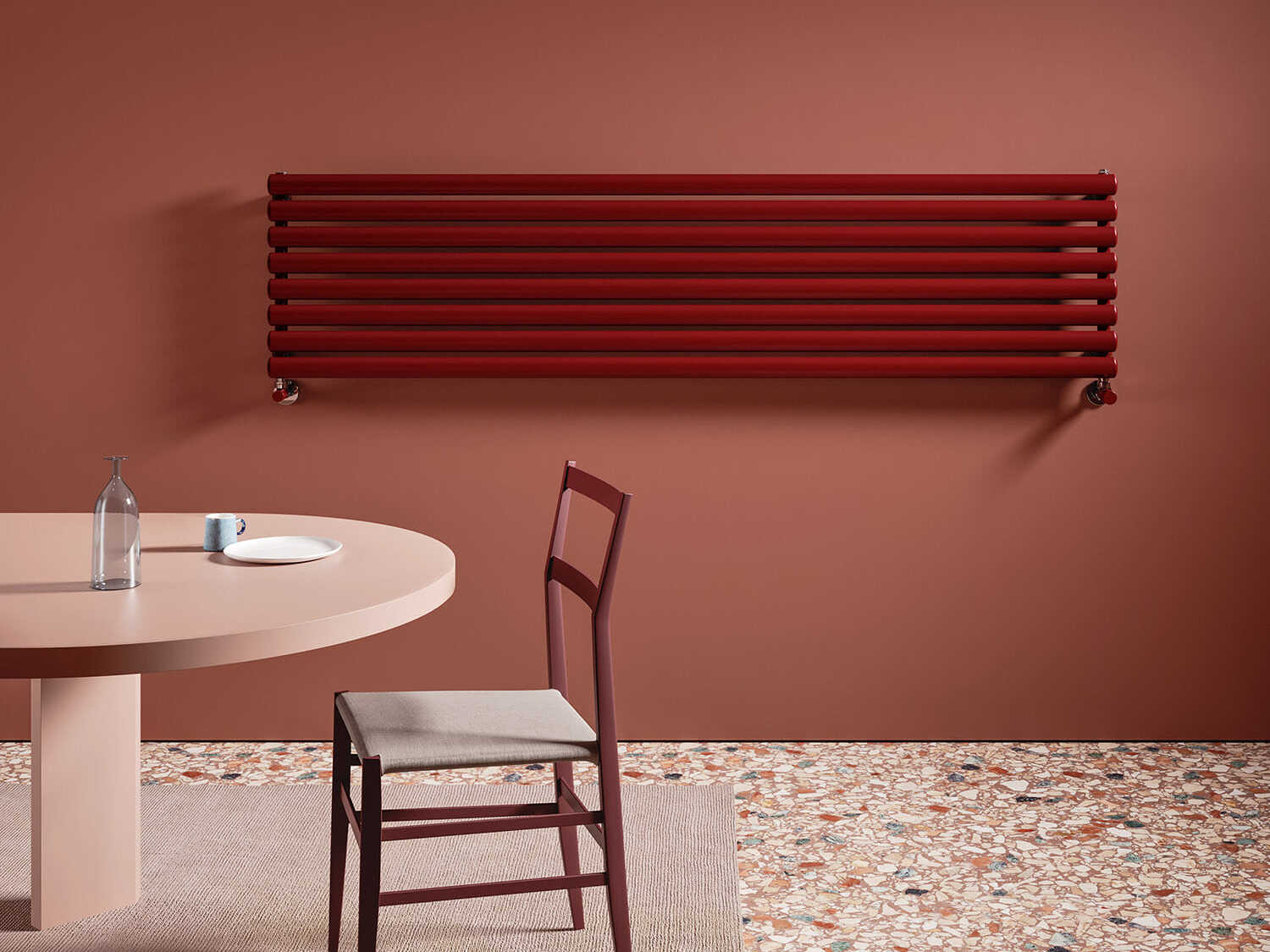
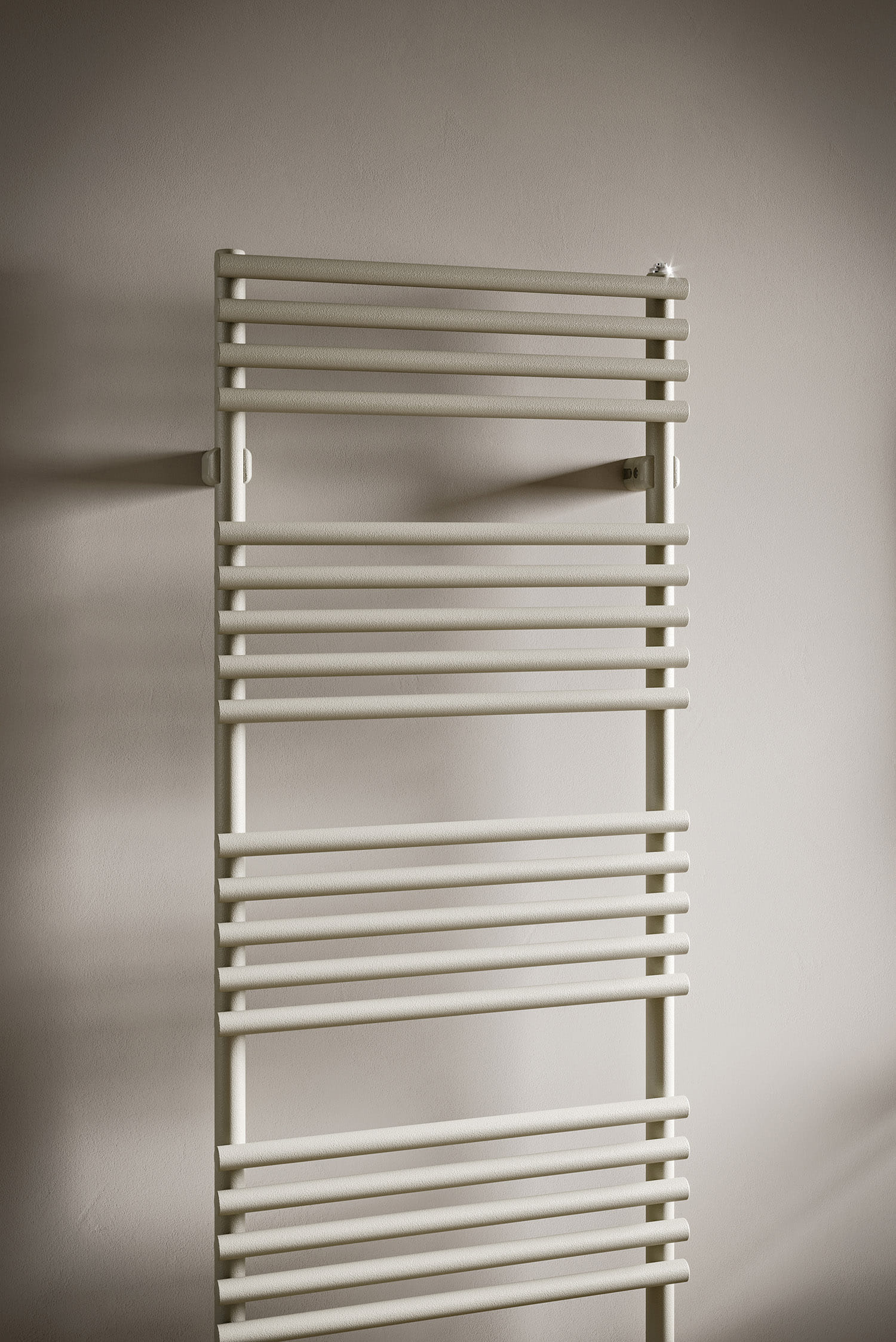
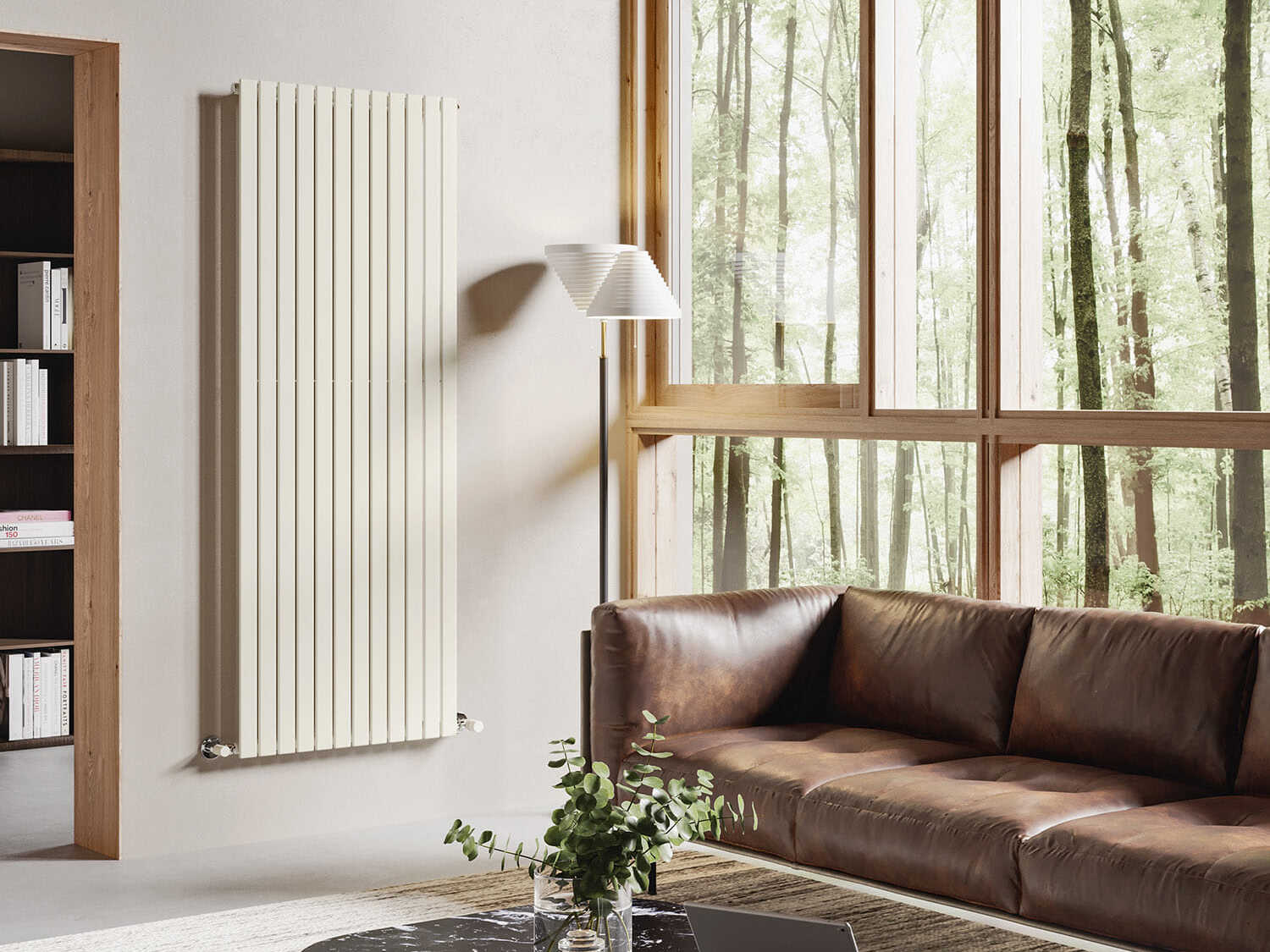
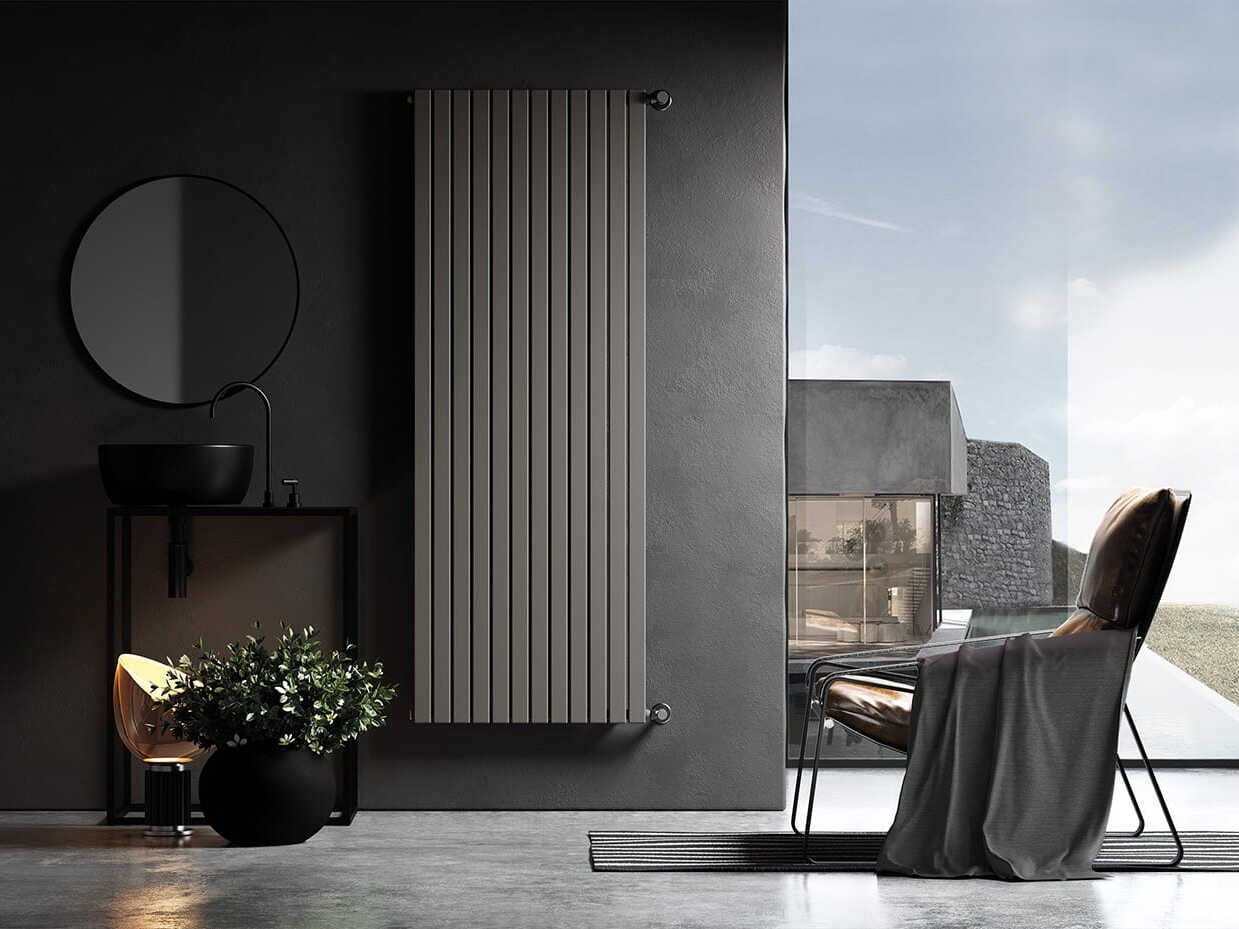
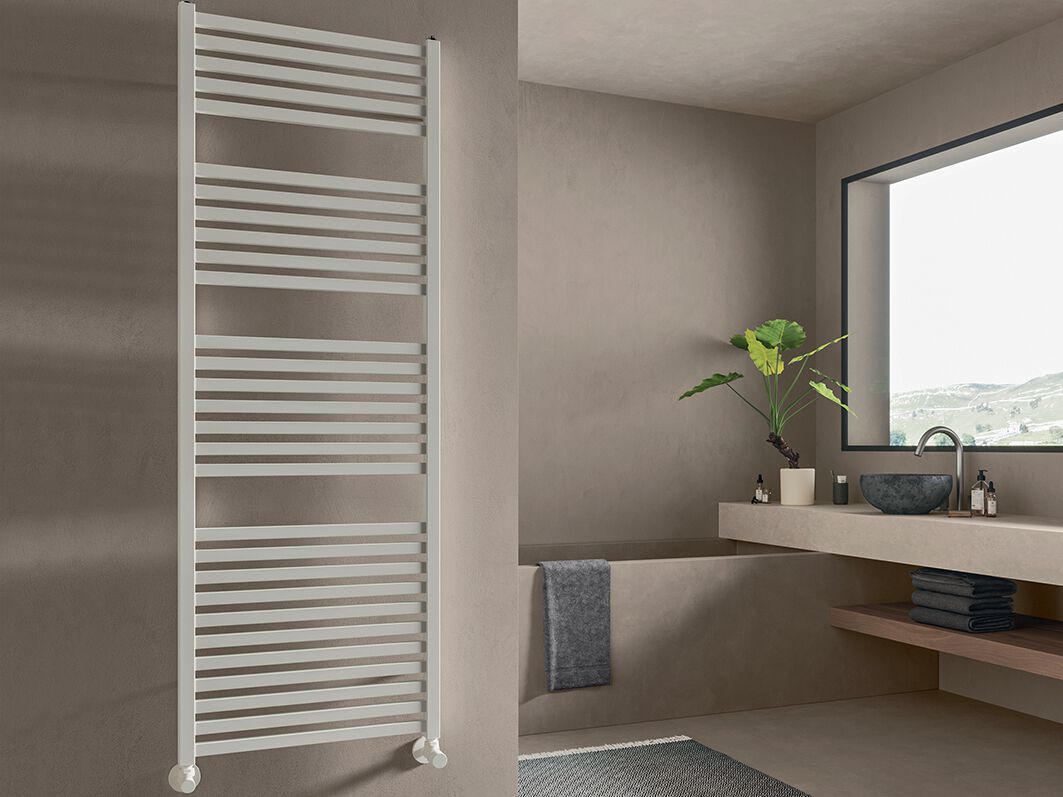
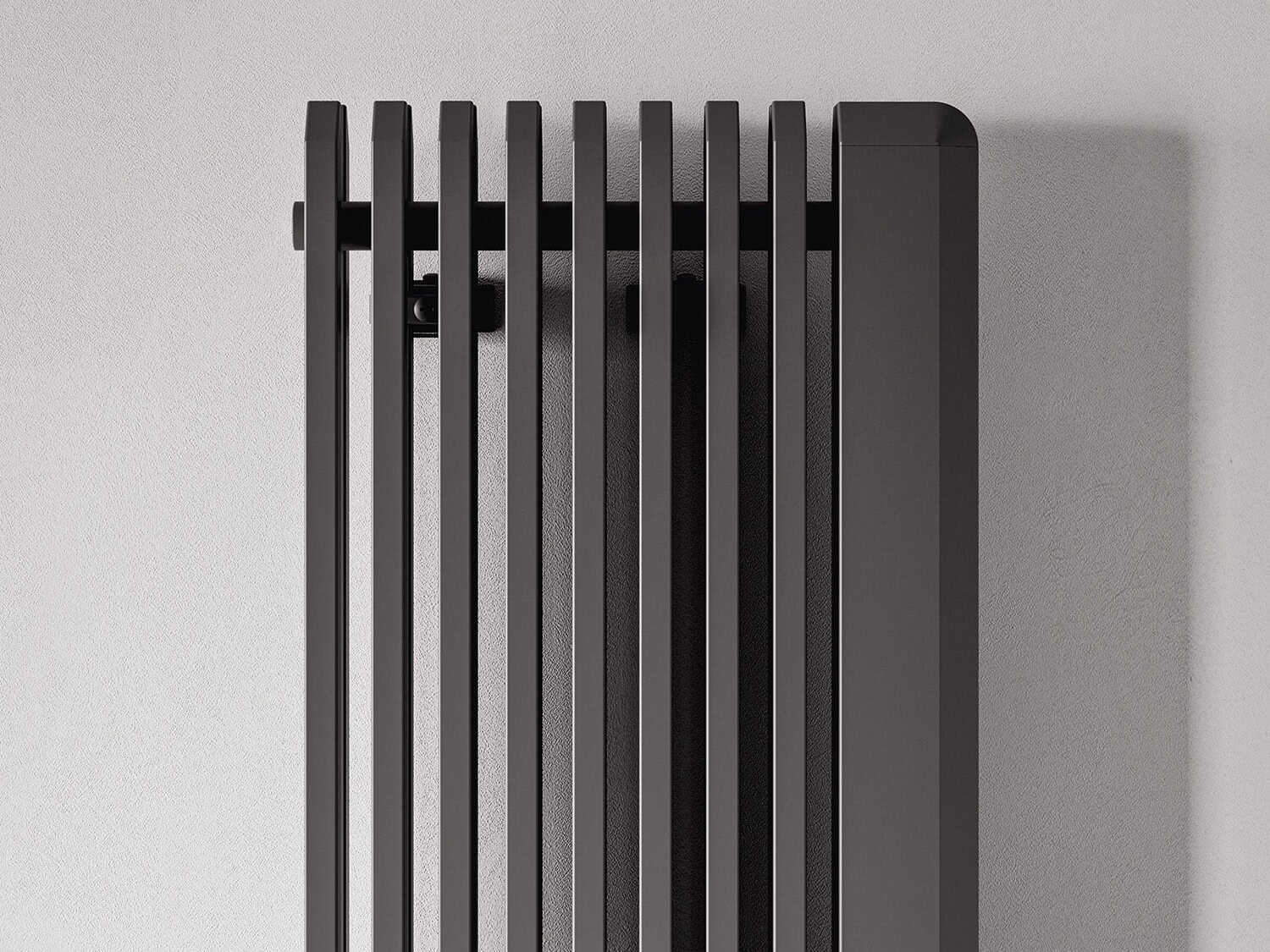
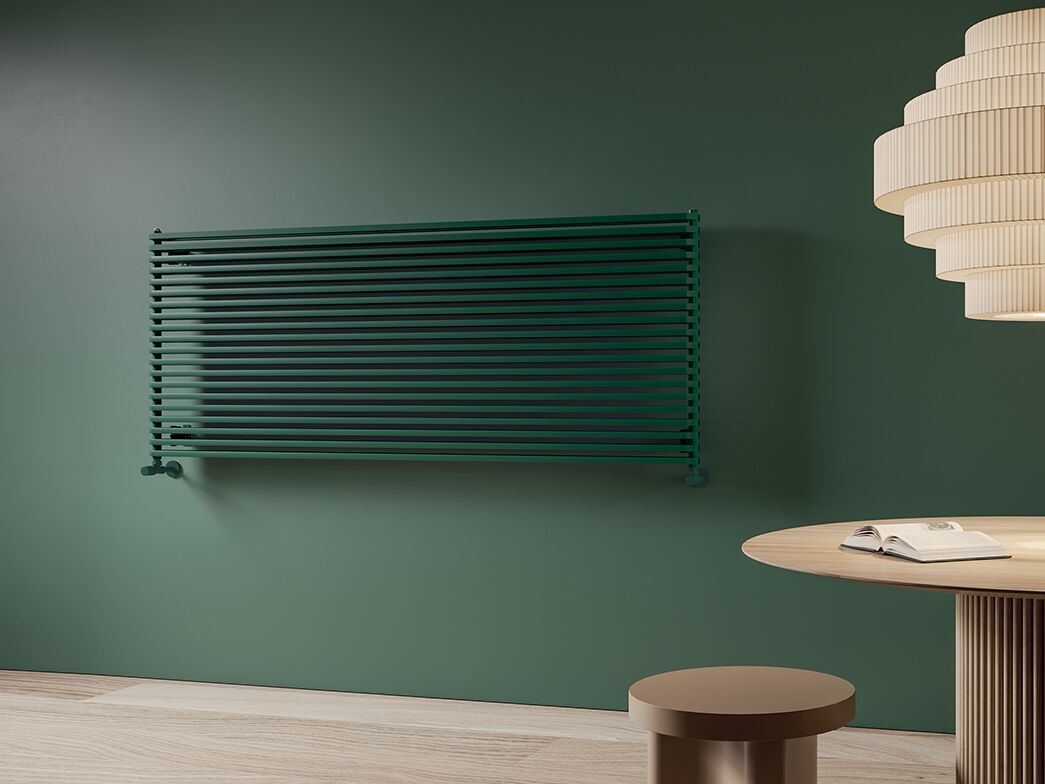
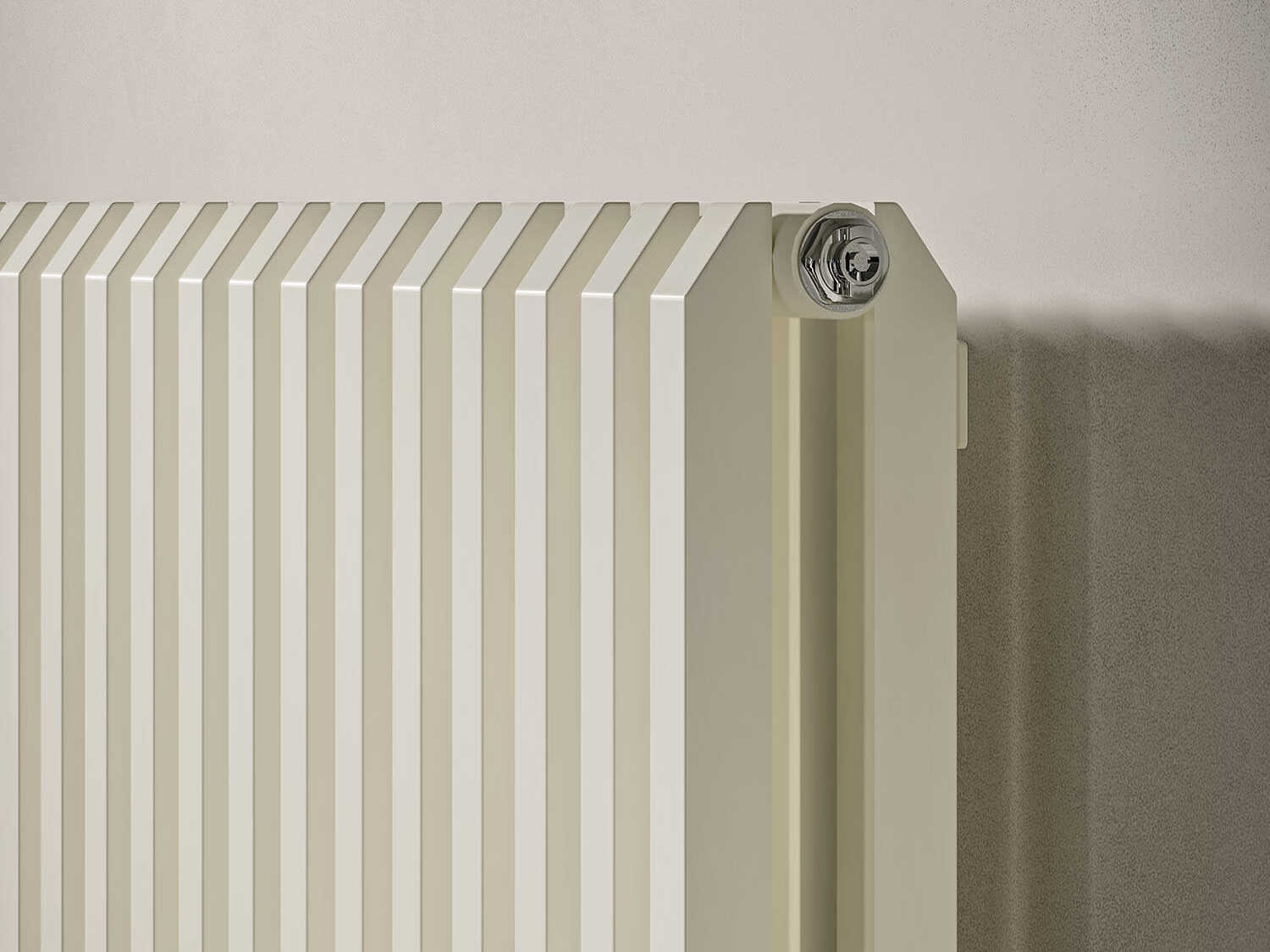
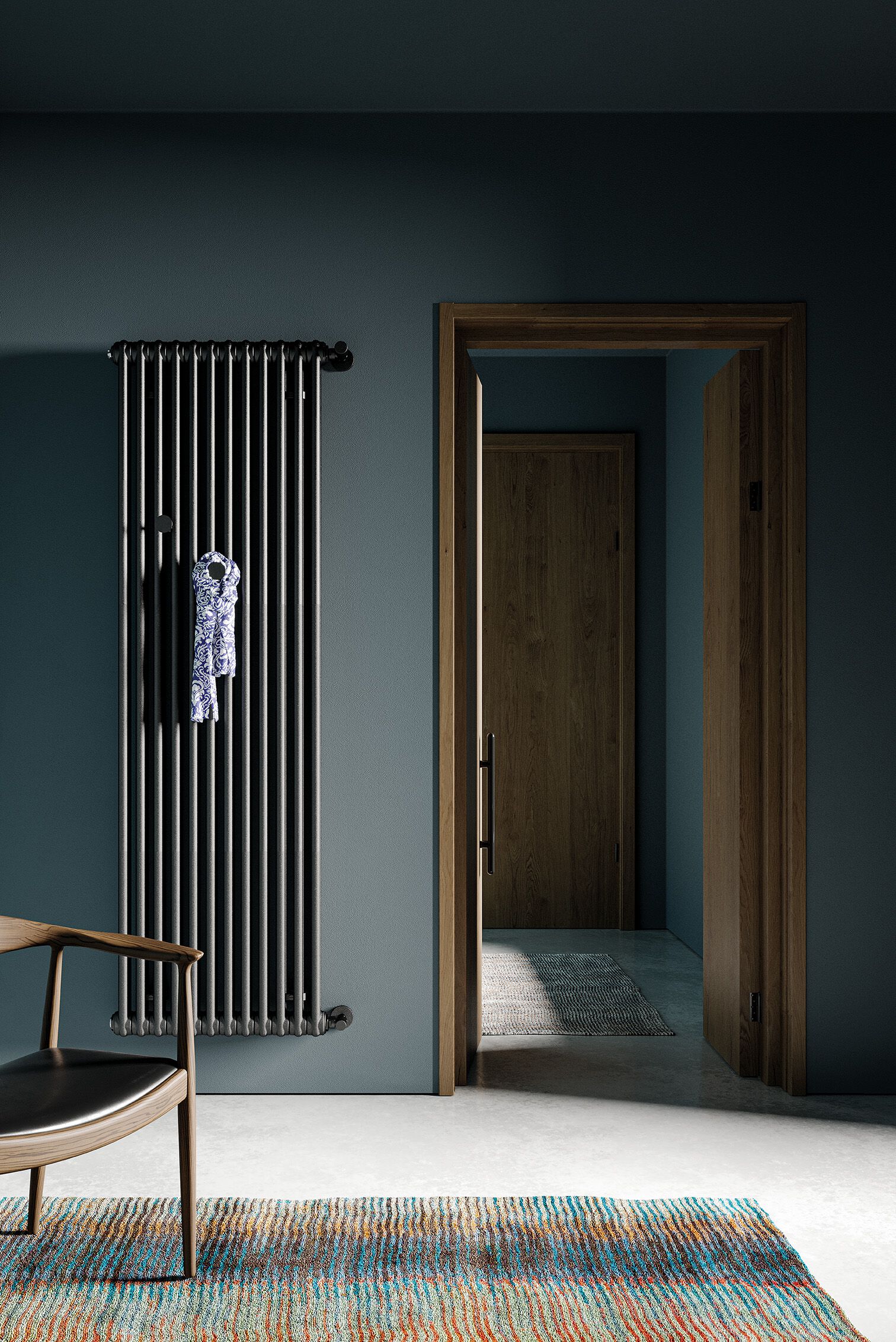
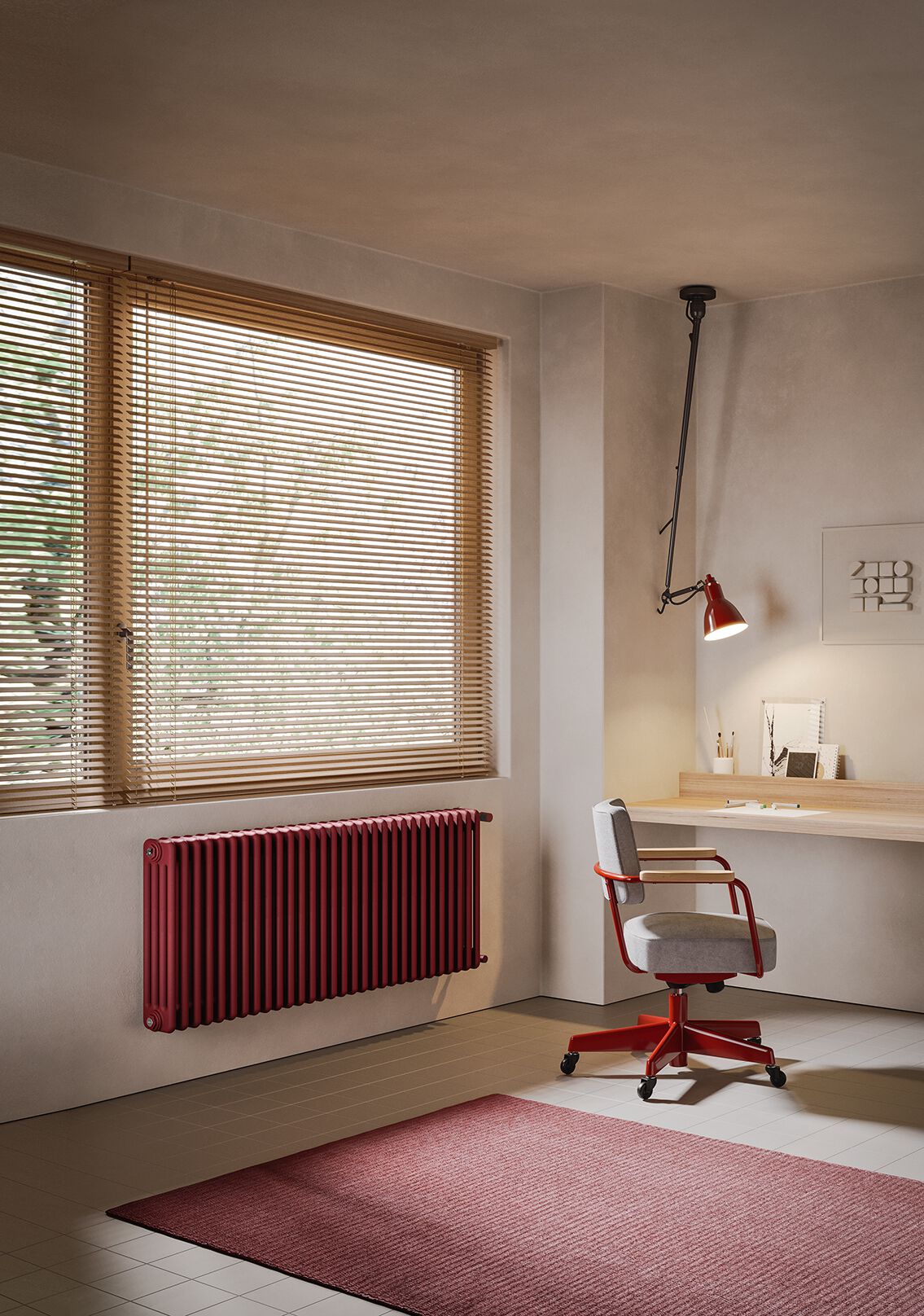
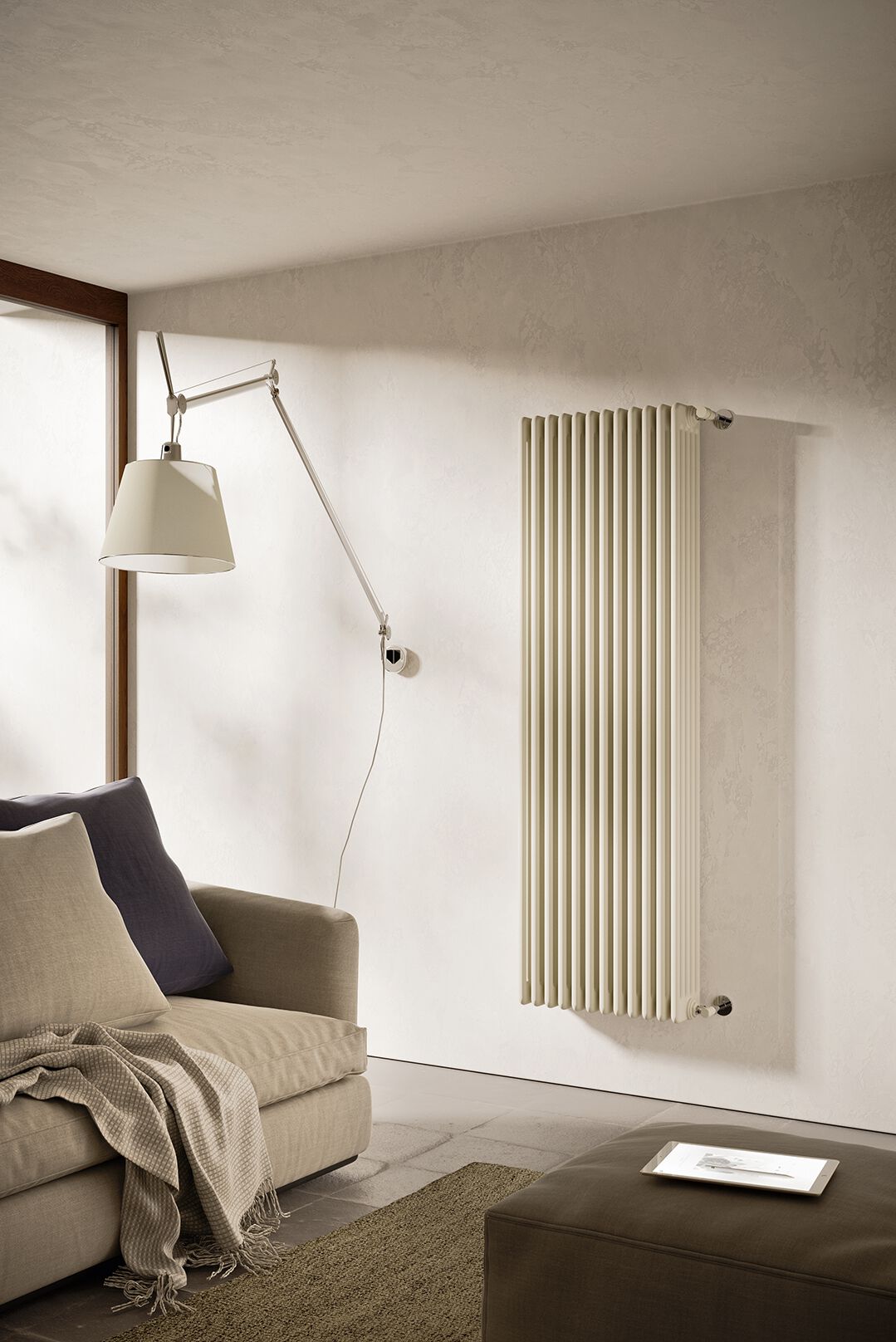
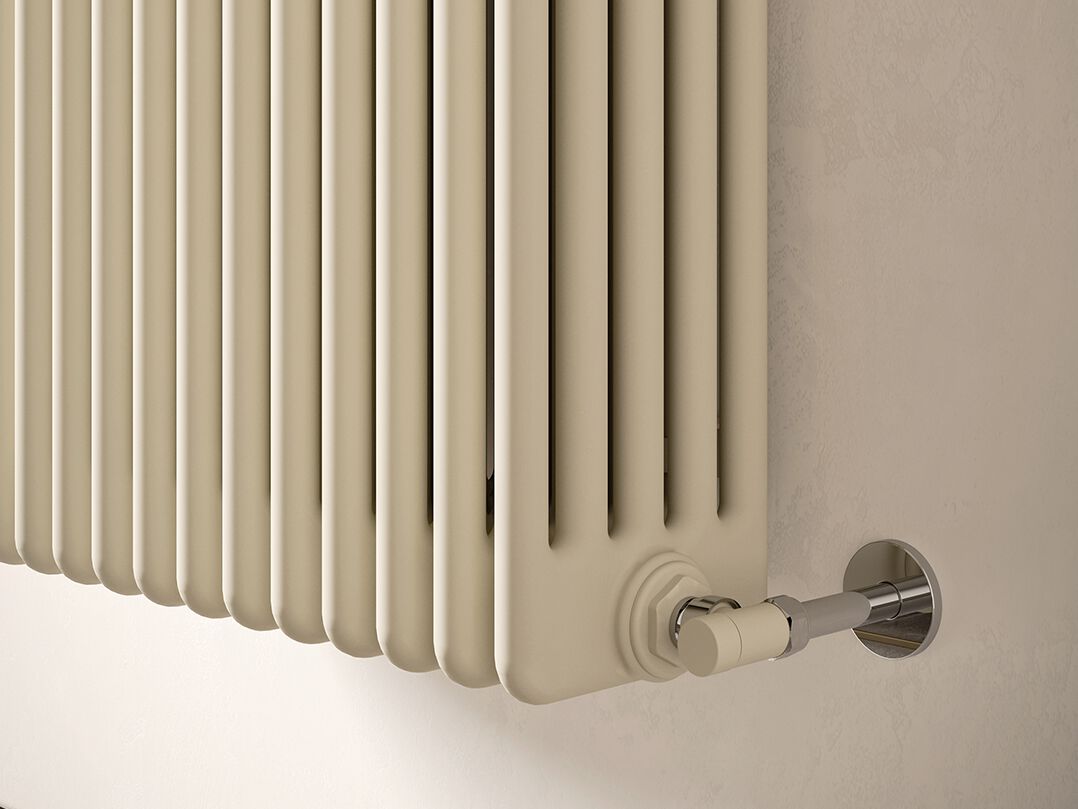
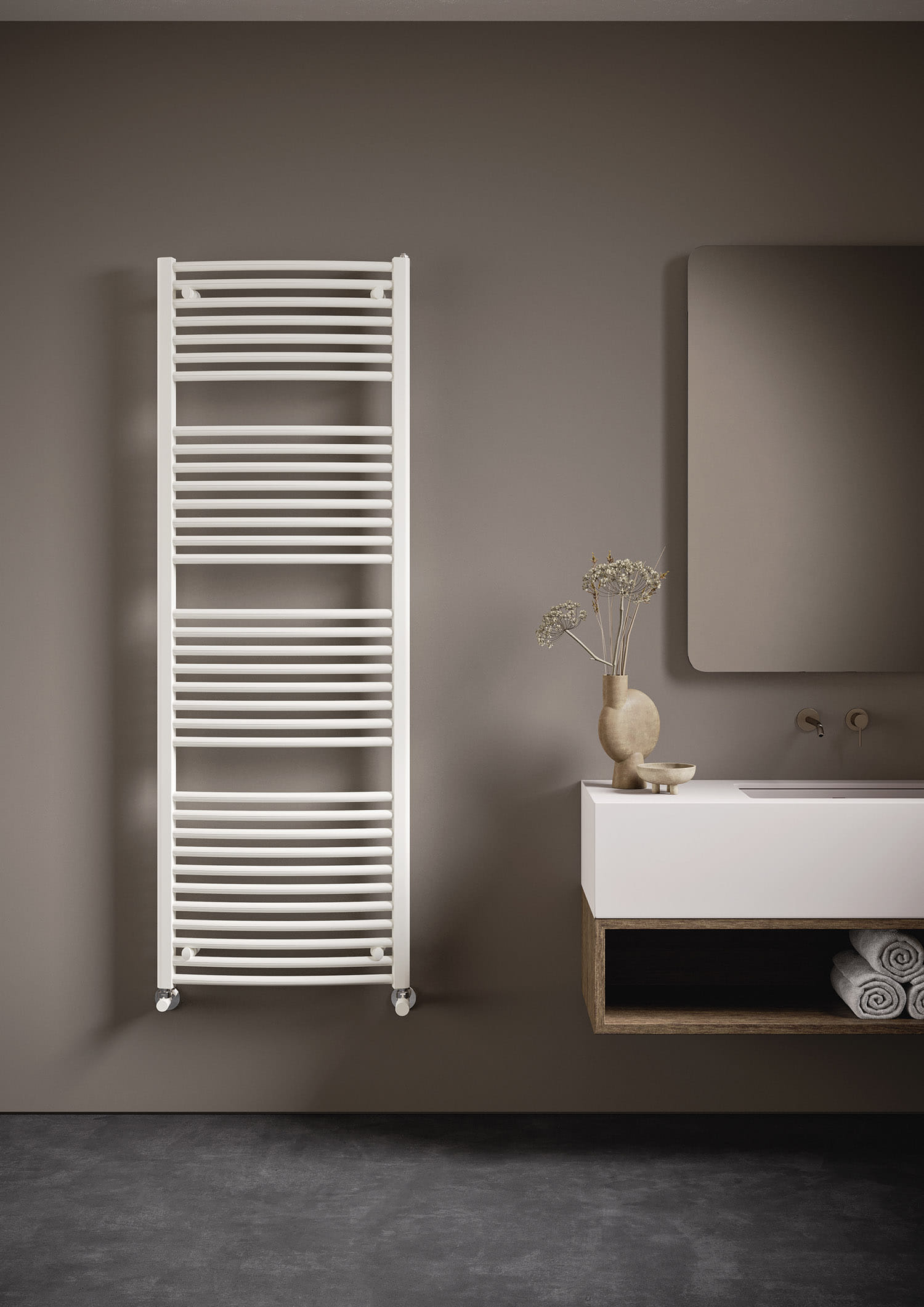
Steel remains central to IRSAP’s production. Tubular radiators are available in different heights, lengths, depths and numbers of columns, allowing the required thermal output to be achieved without imposing a single standard proportion on the room. This modularity is particularly useful when replacing older radiators, working beneath windows or designing tall vertical compositions for walls where width is limited.
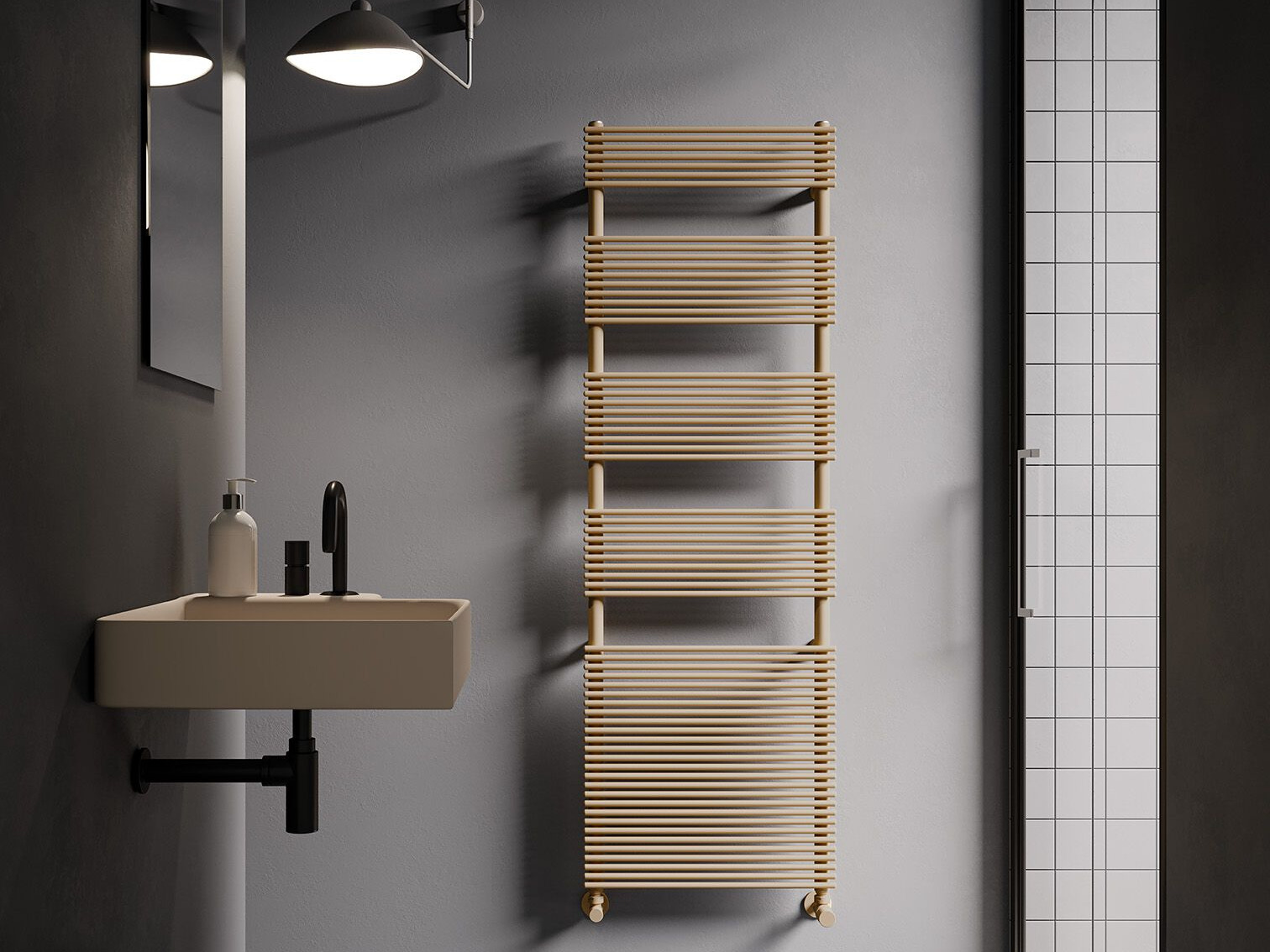
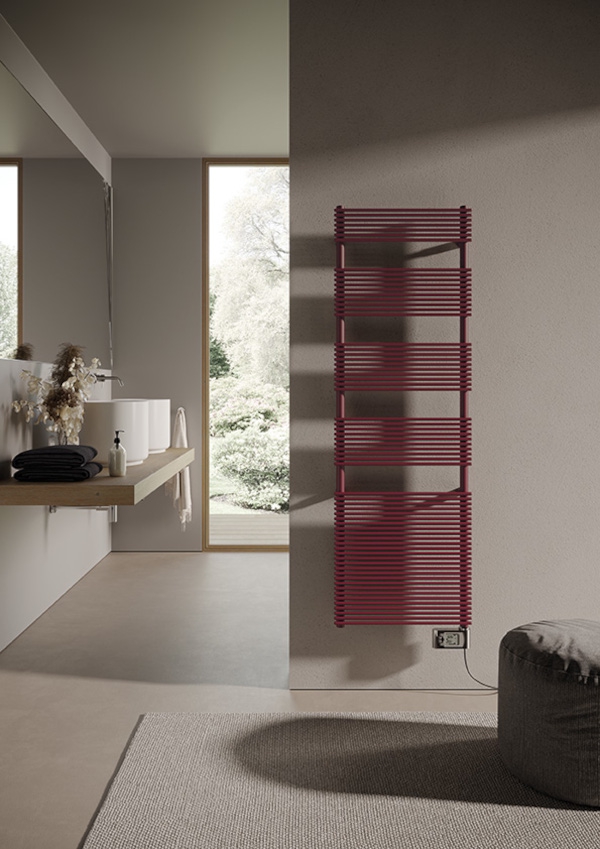
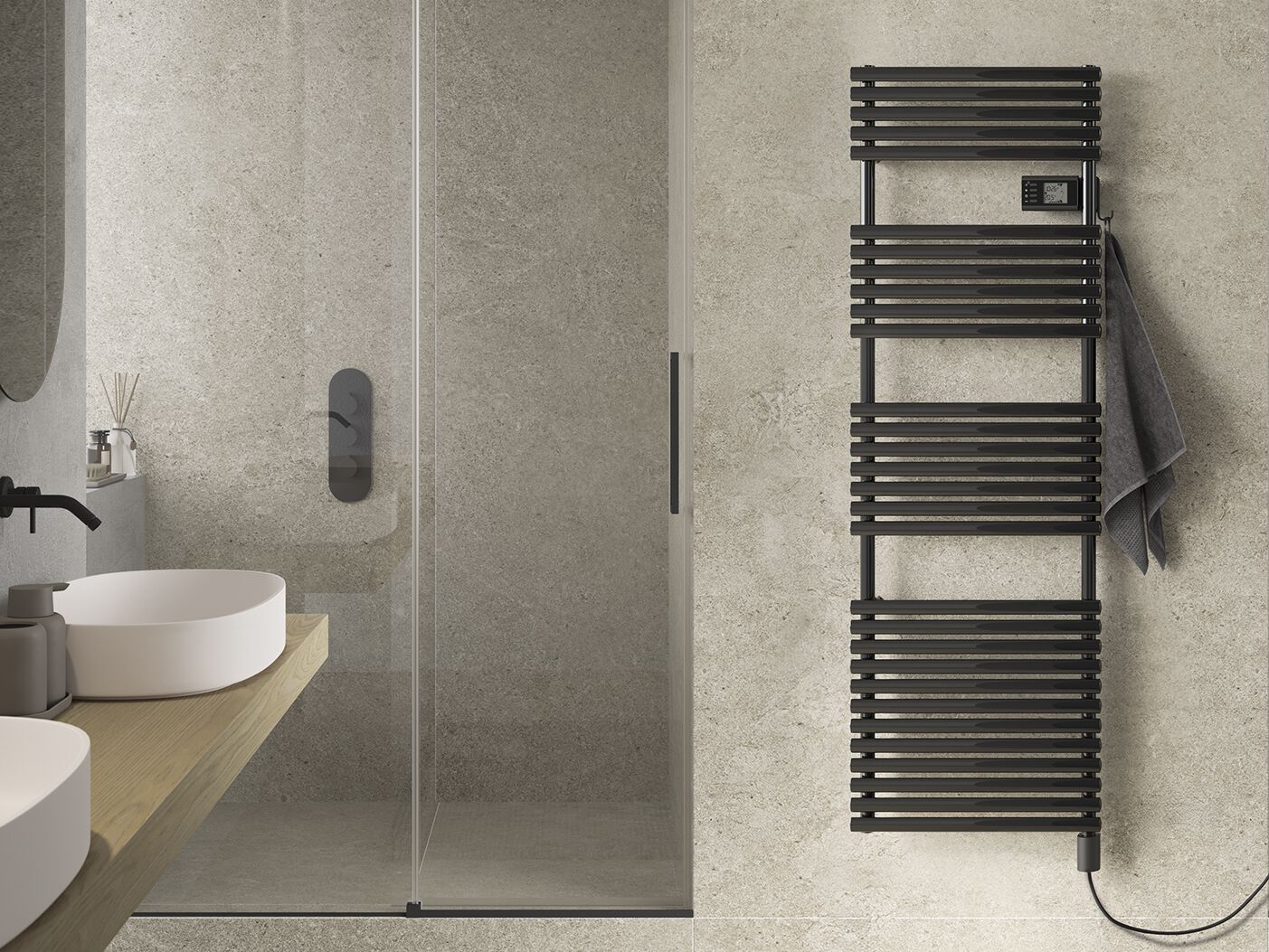
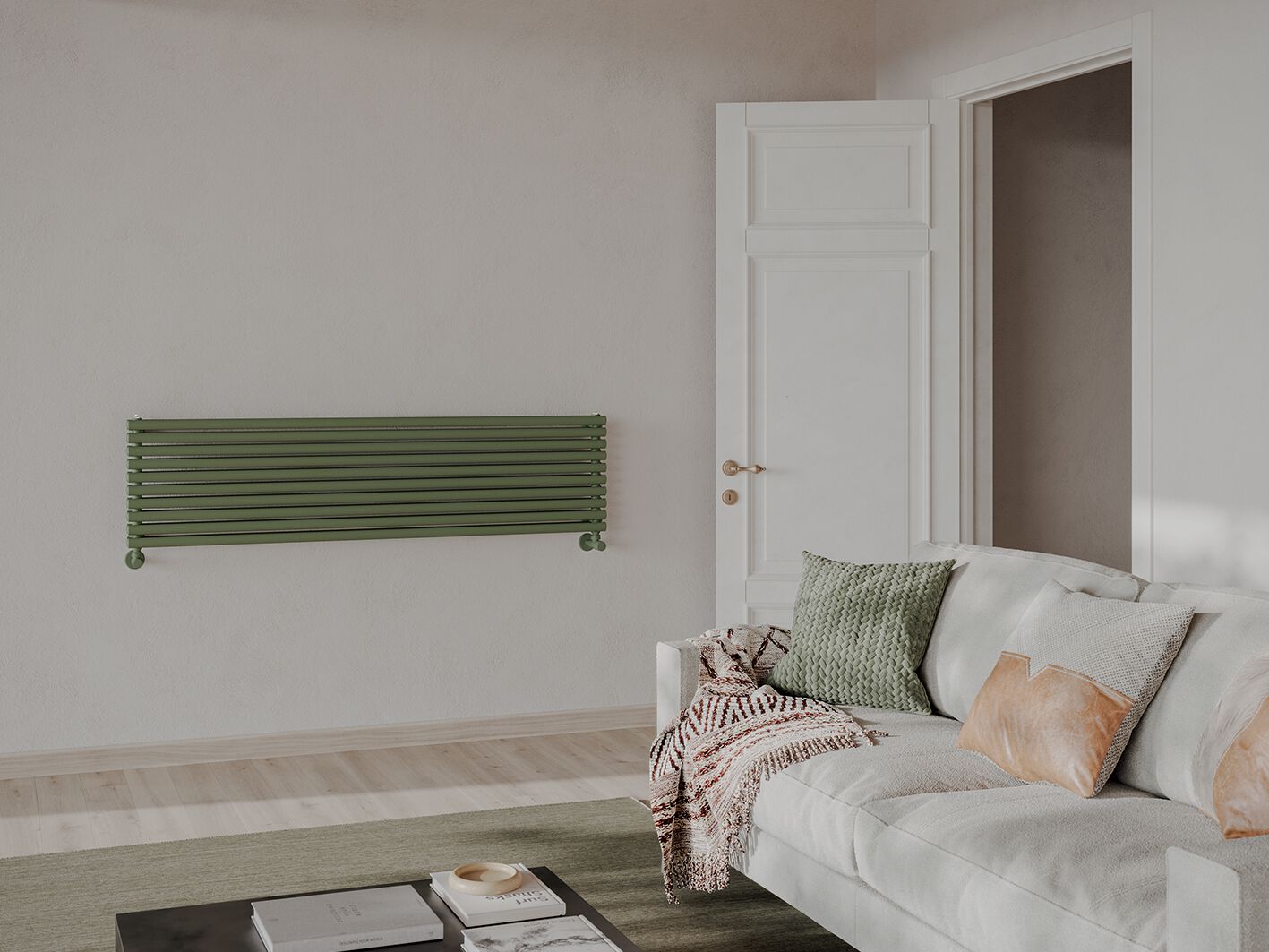
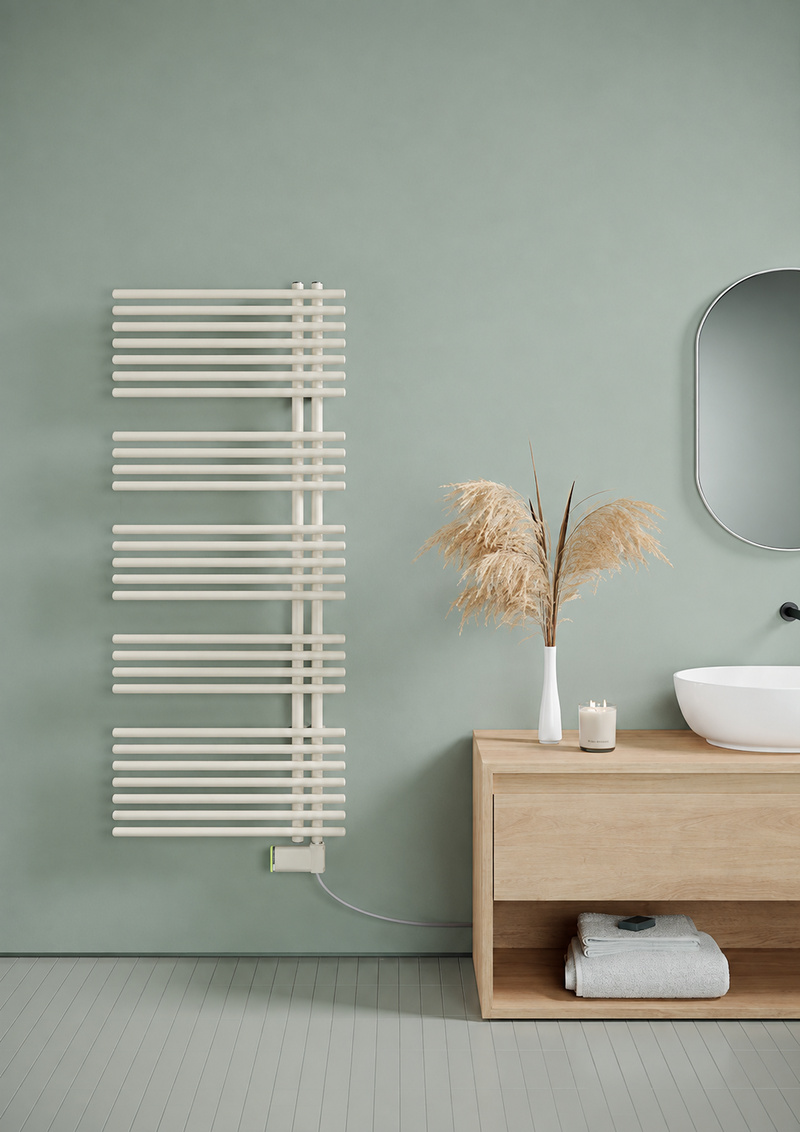
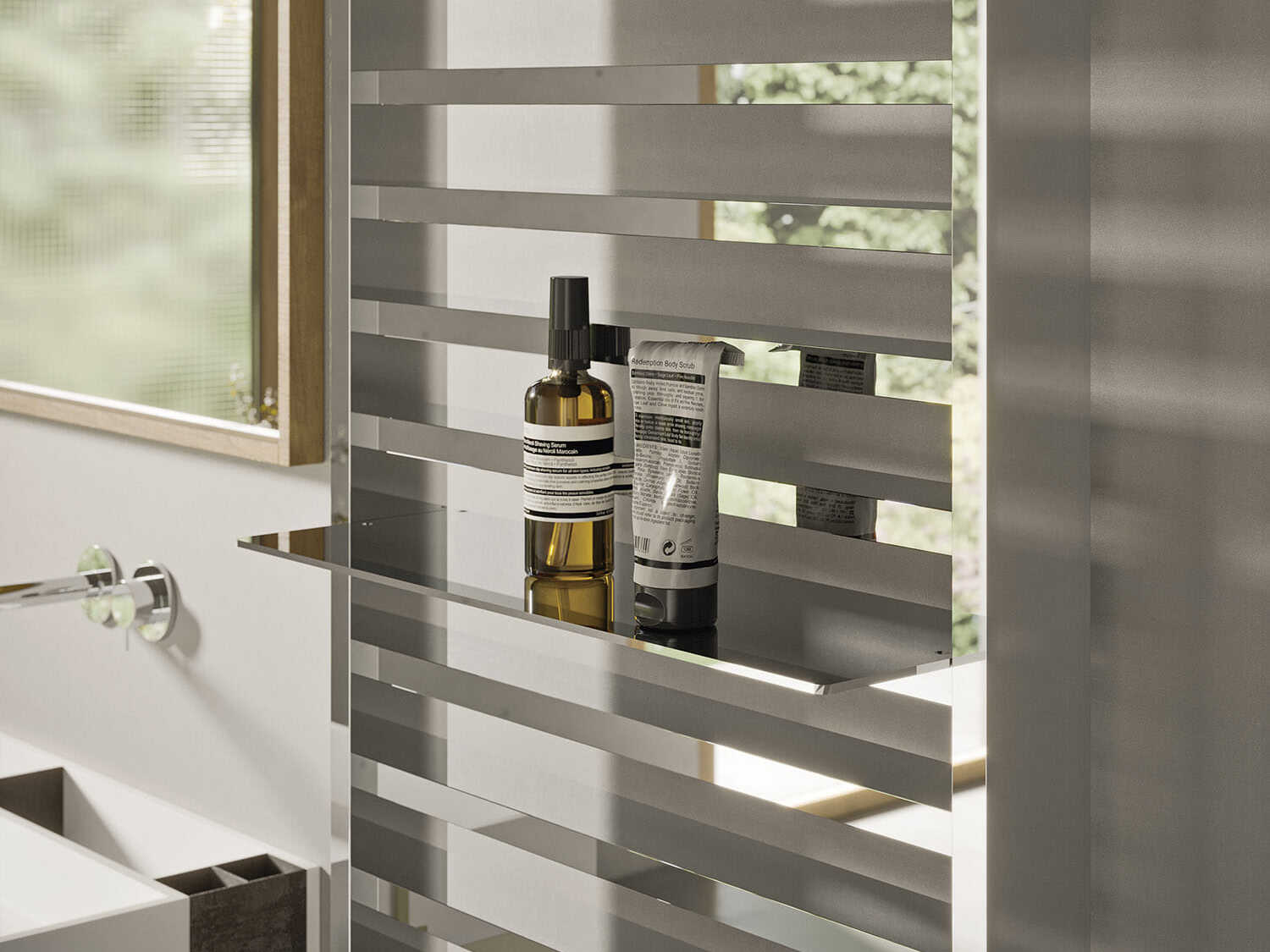
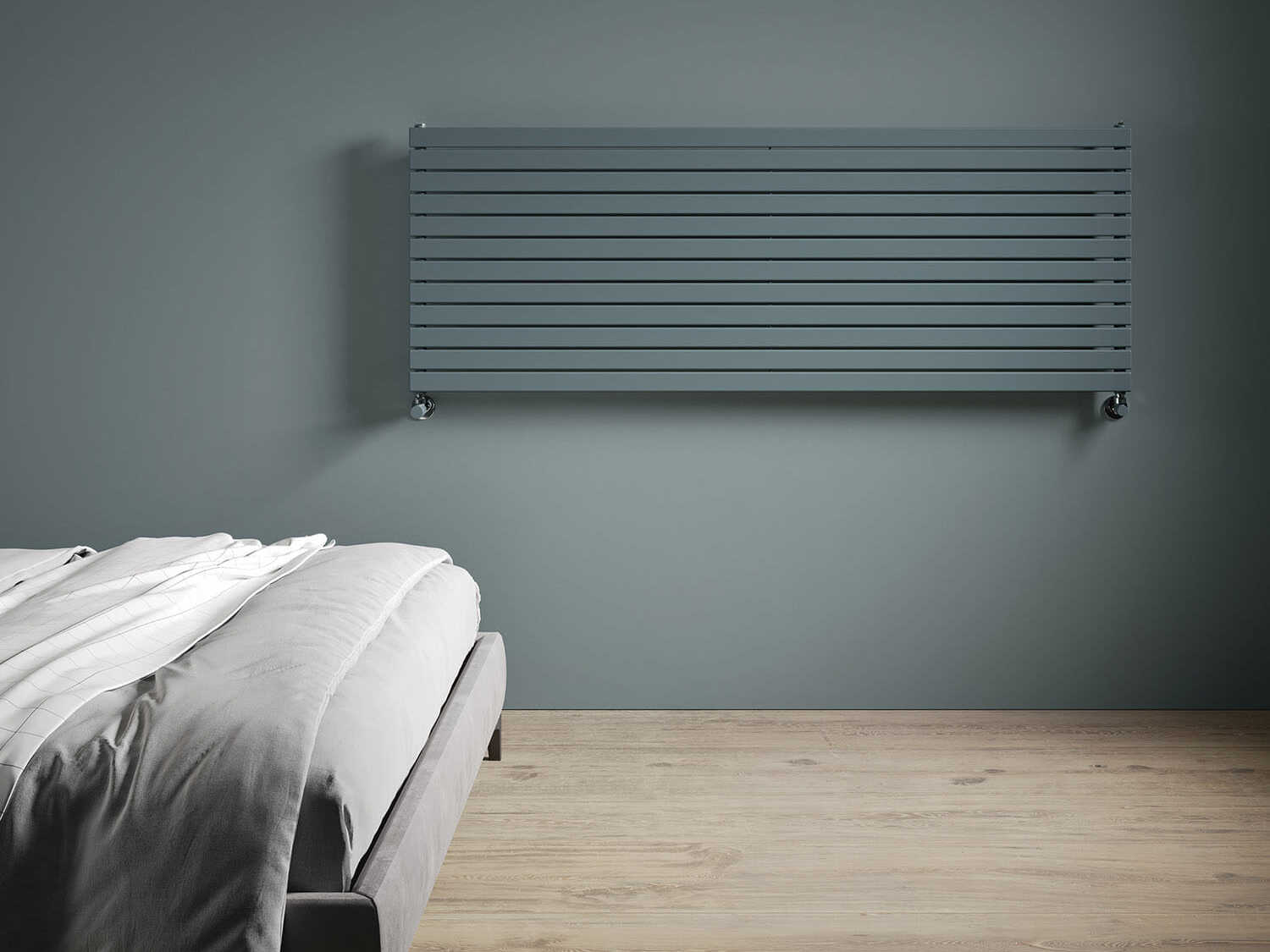
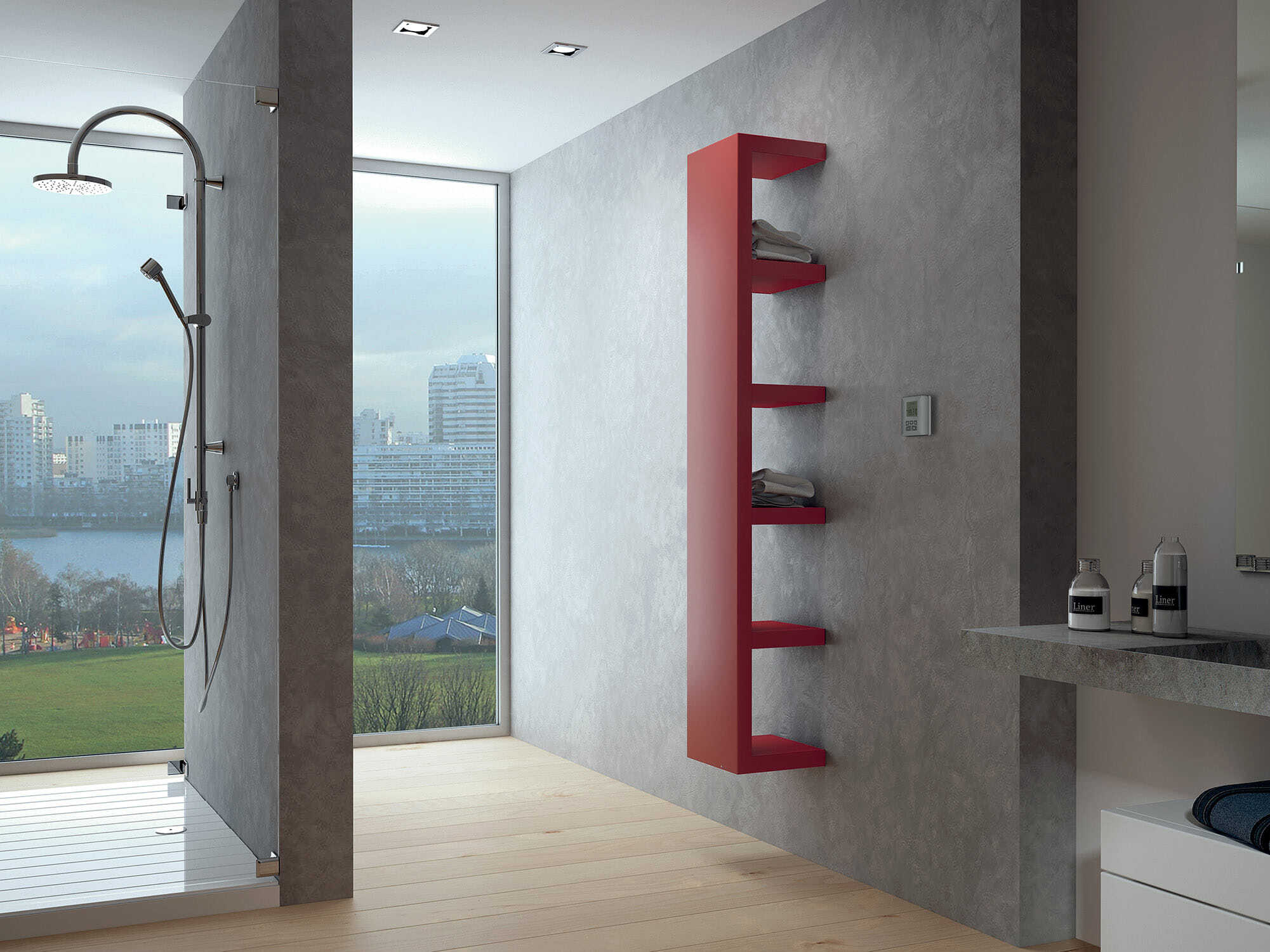
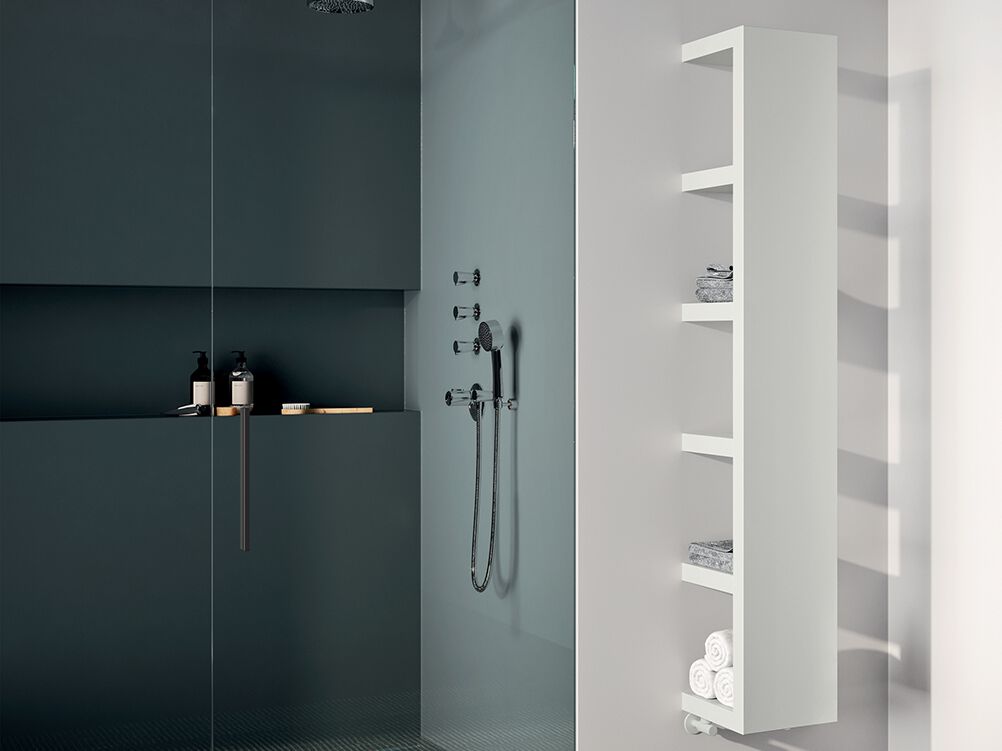
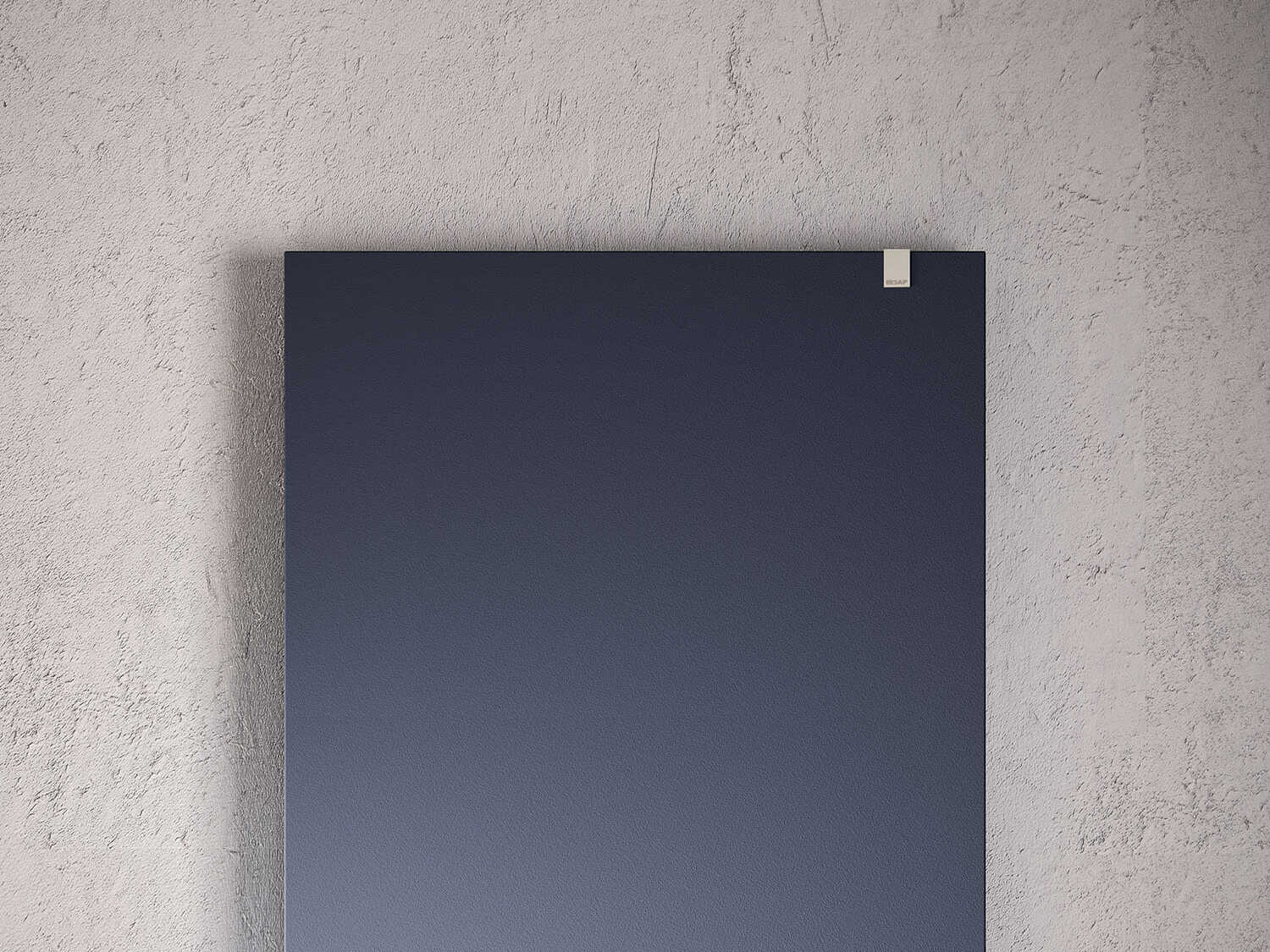
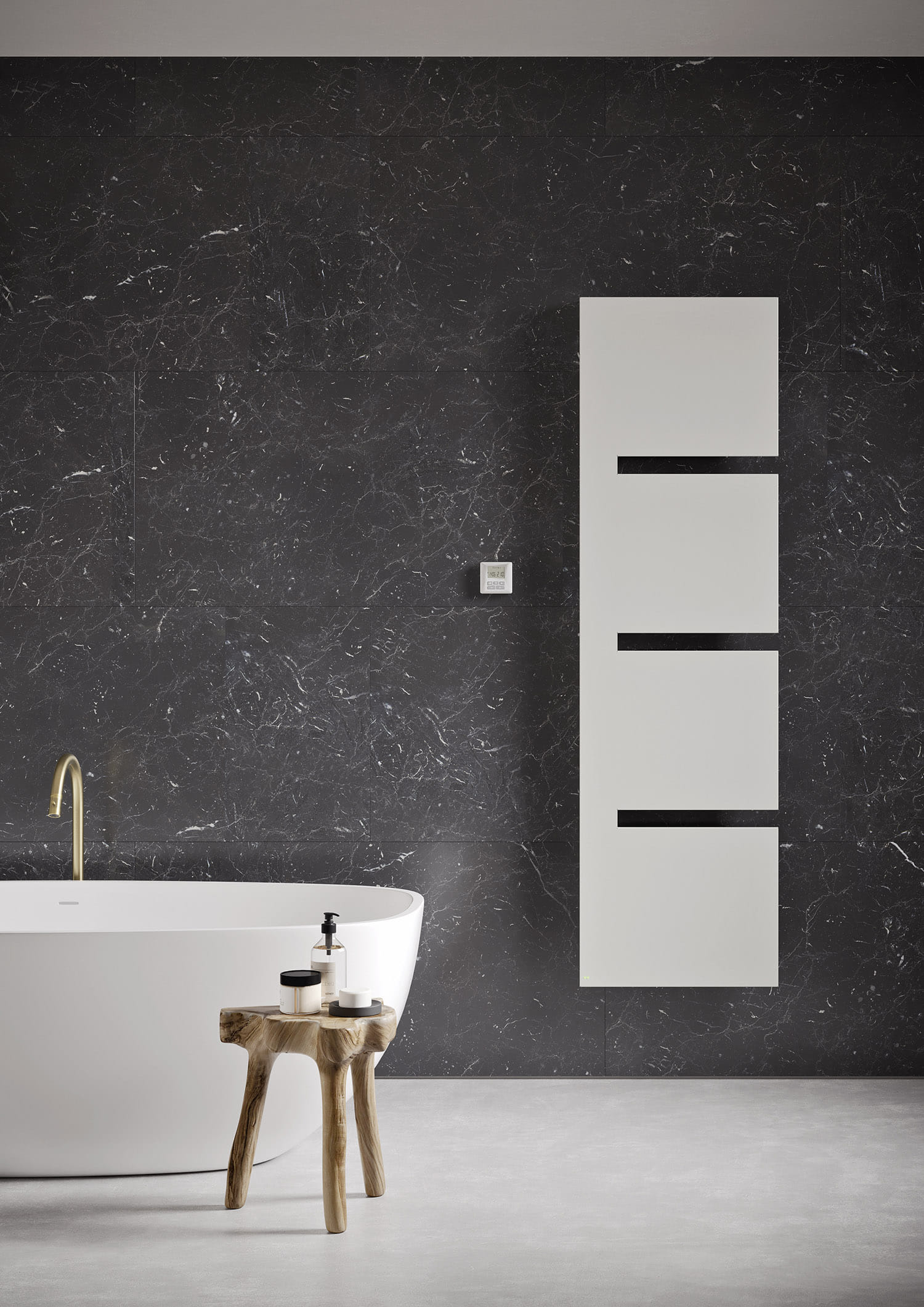
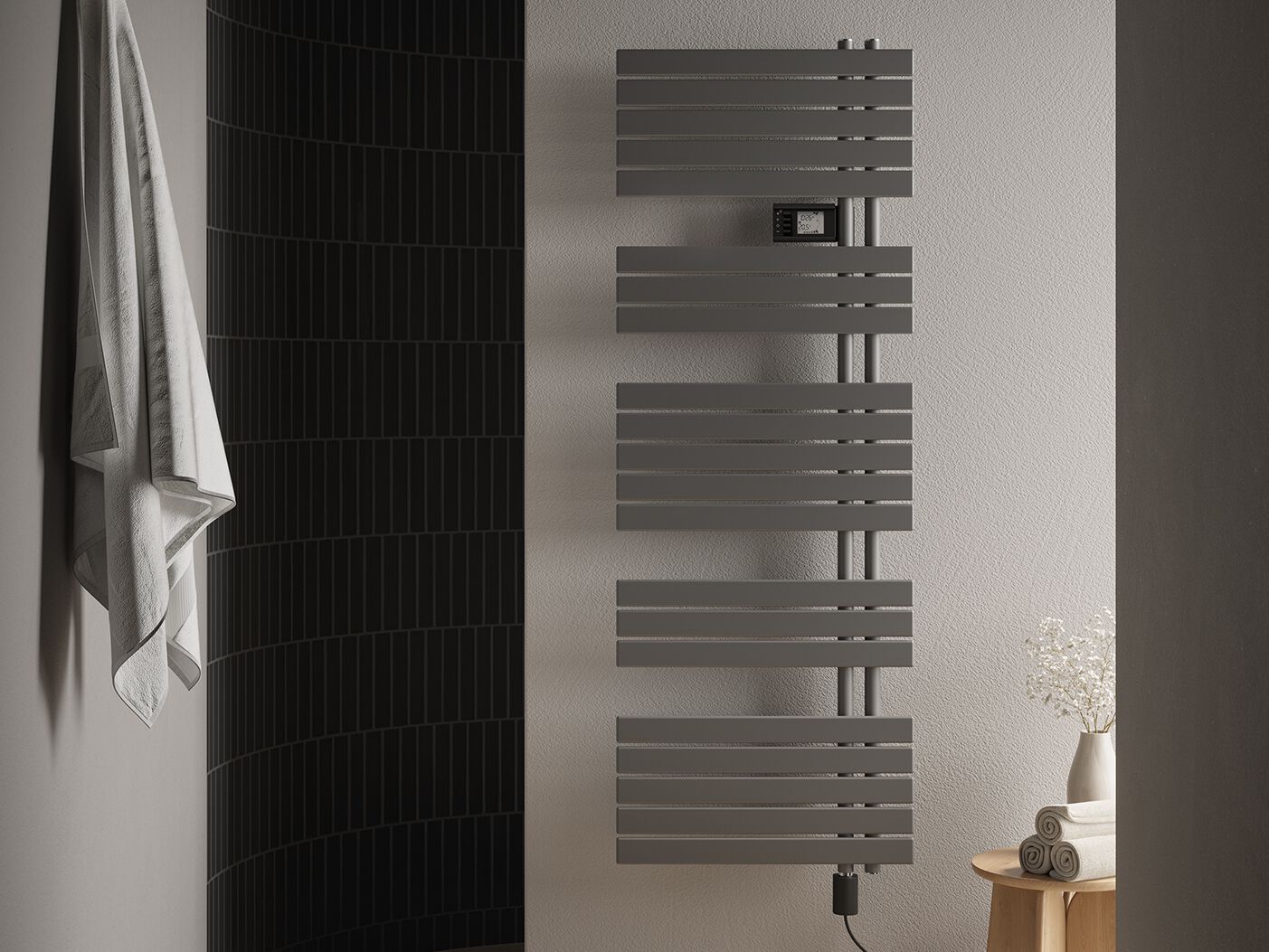
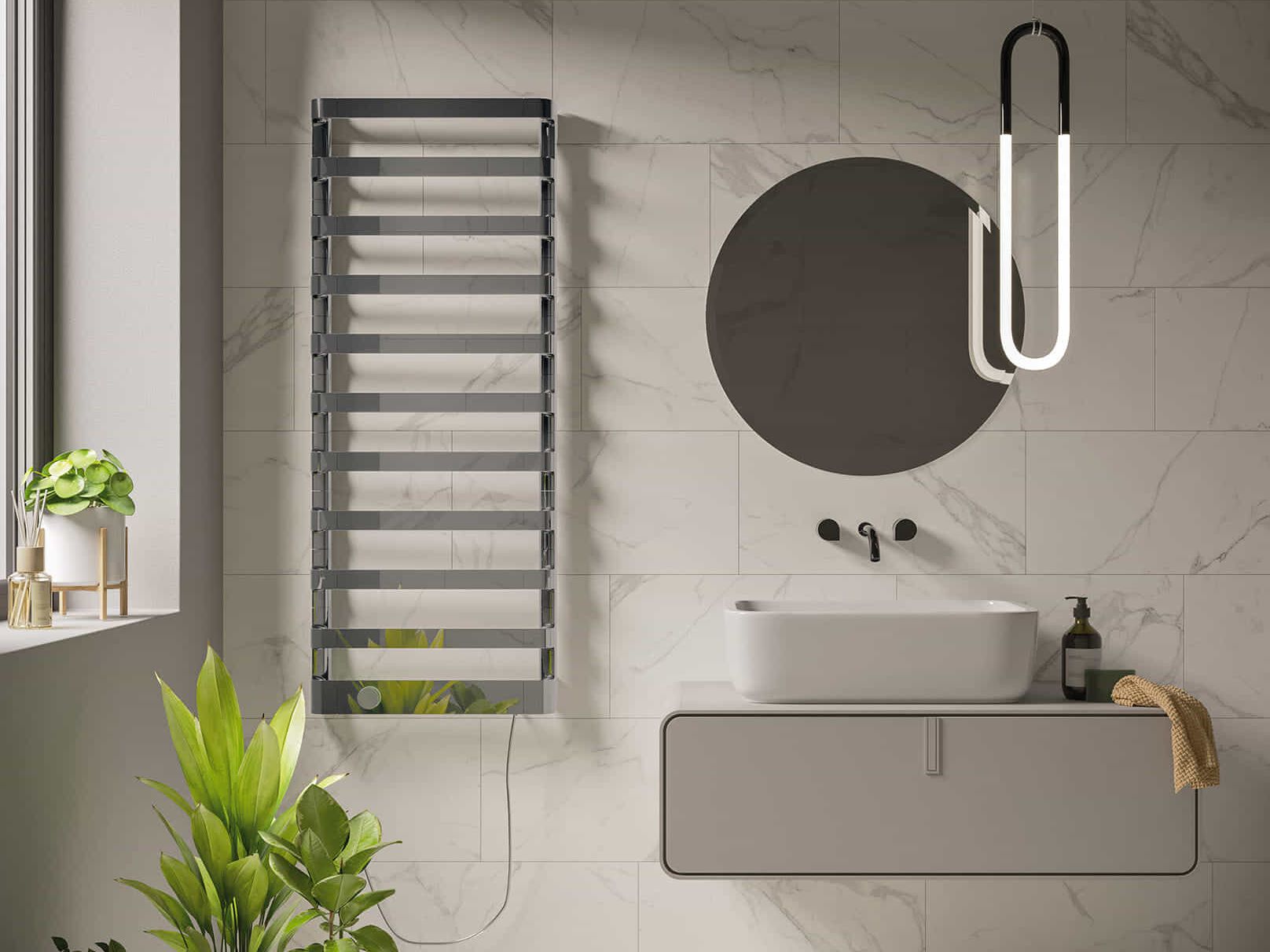
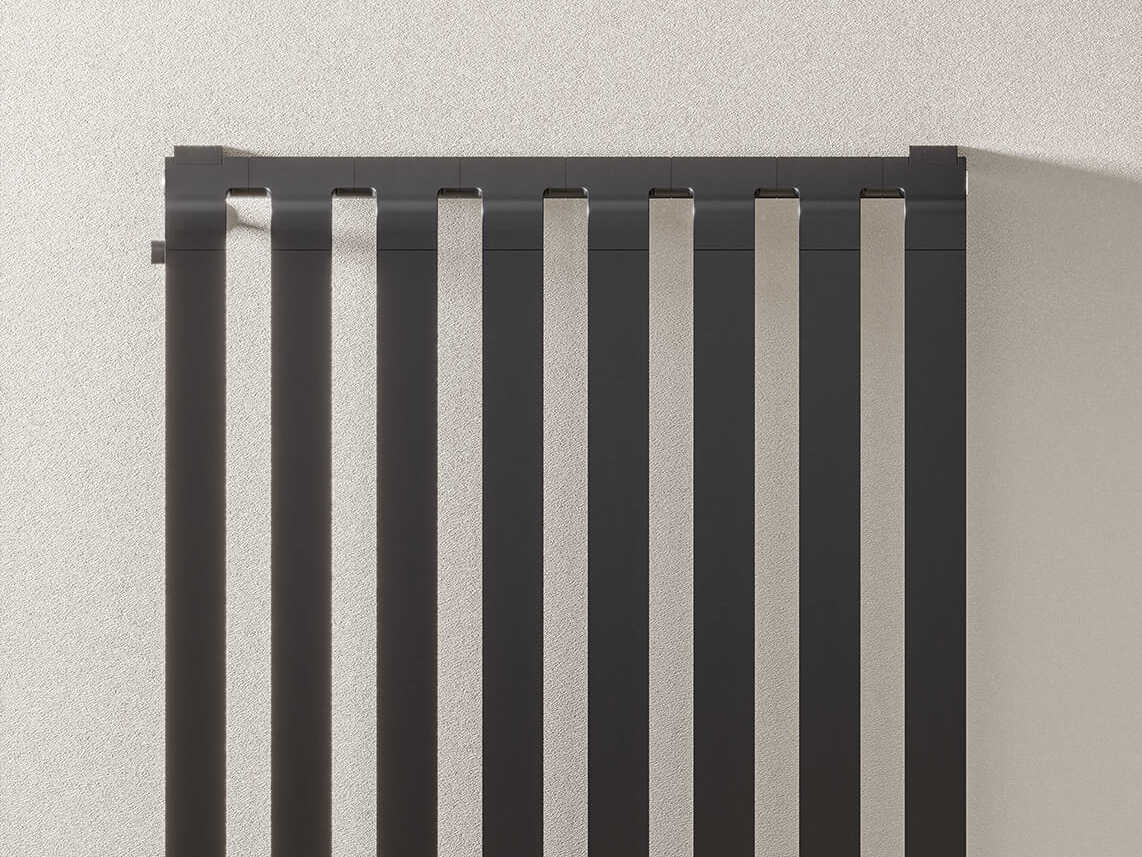
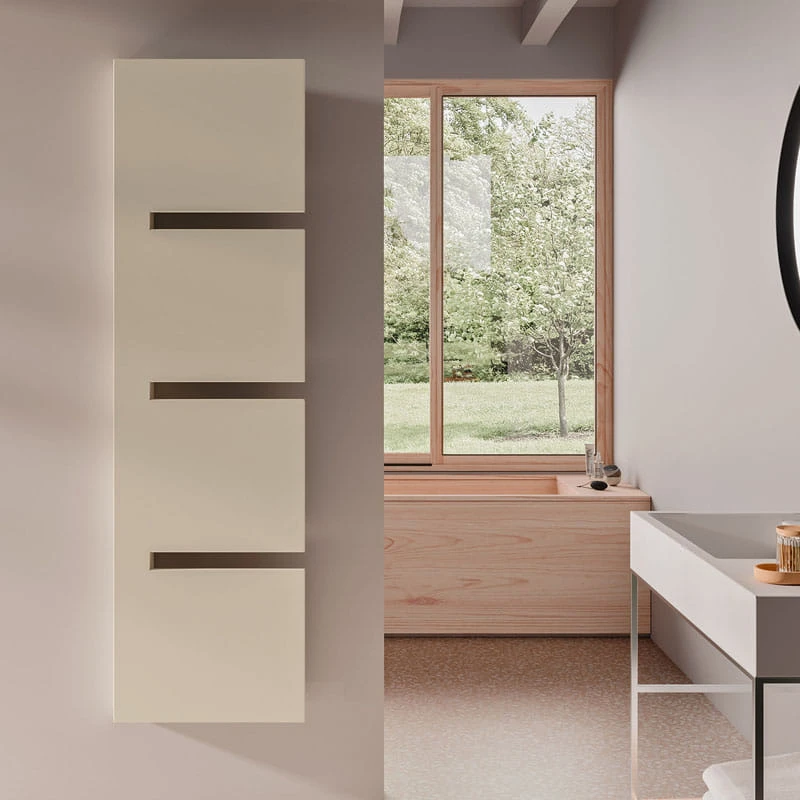
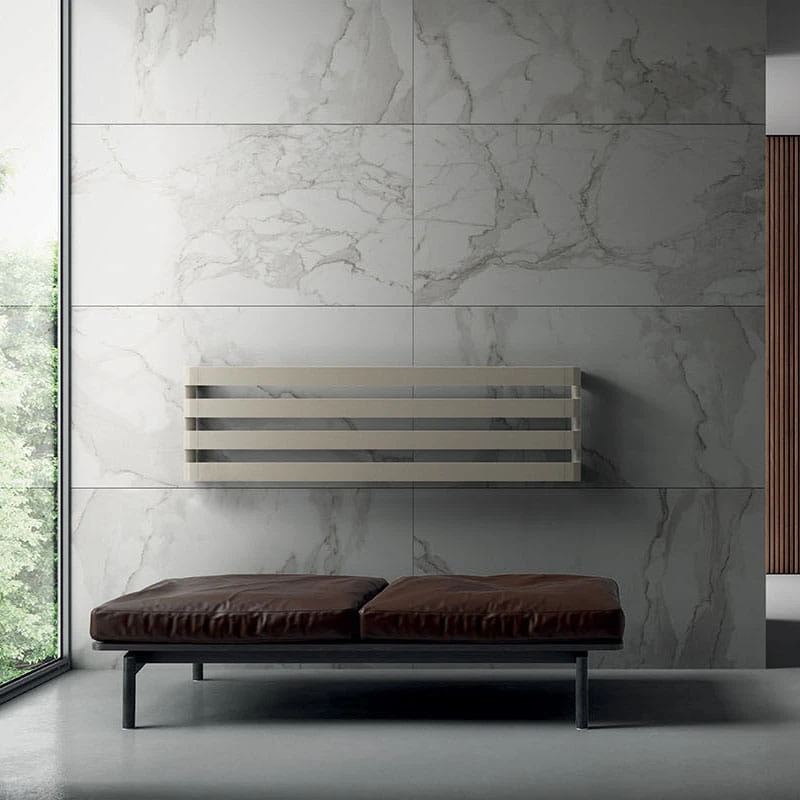
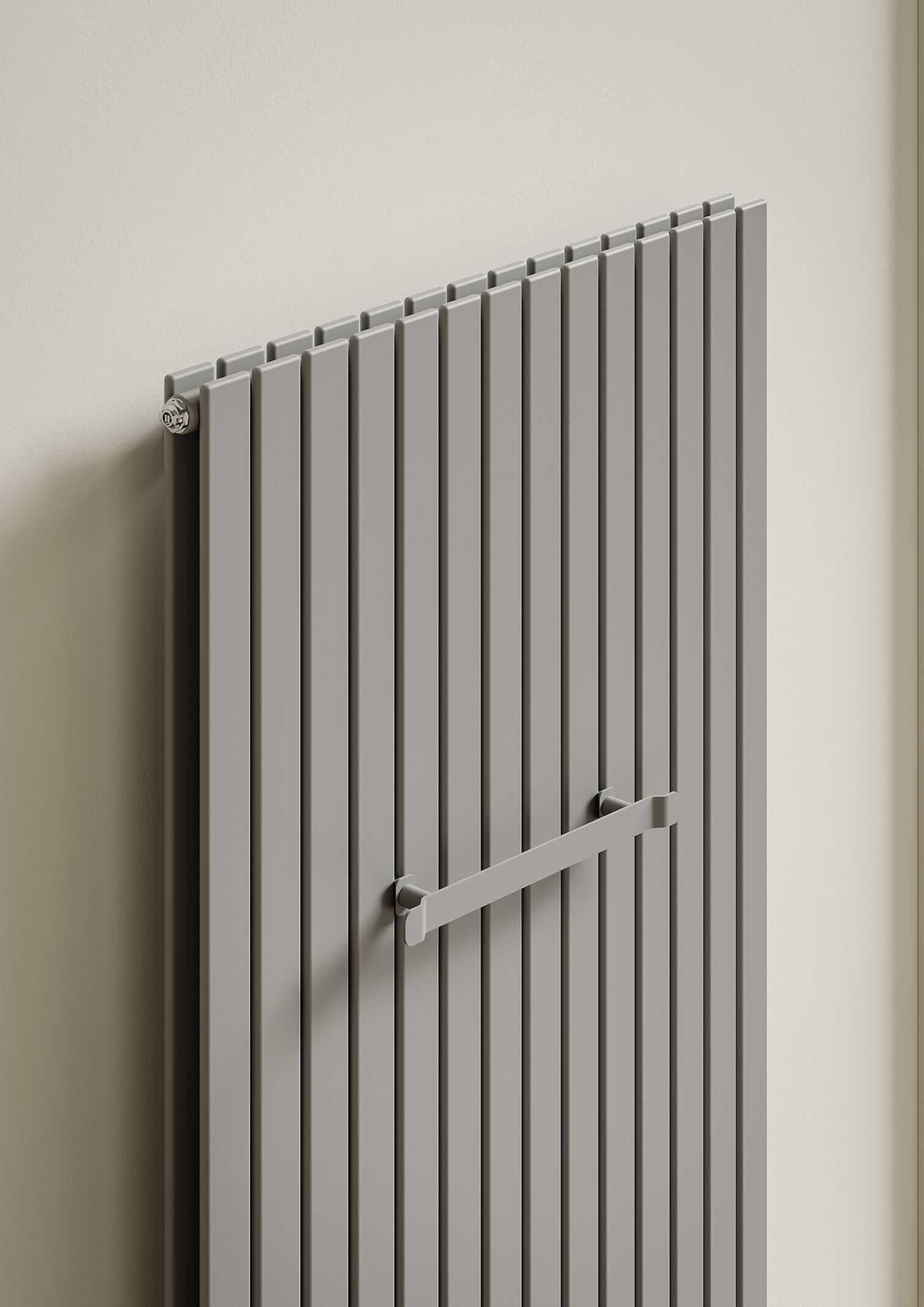
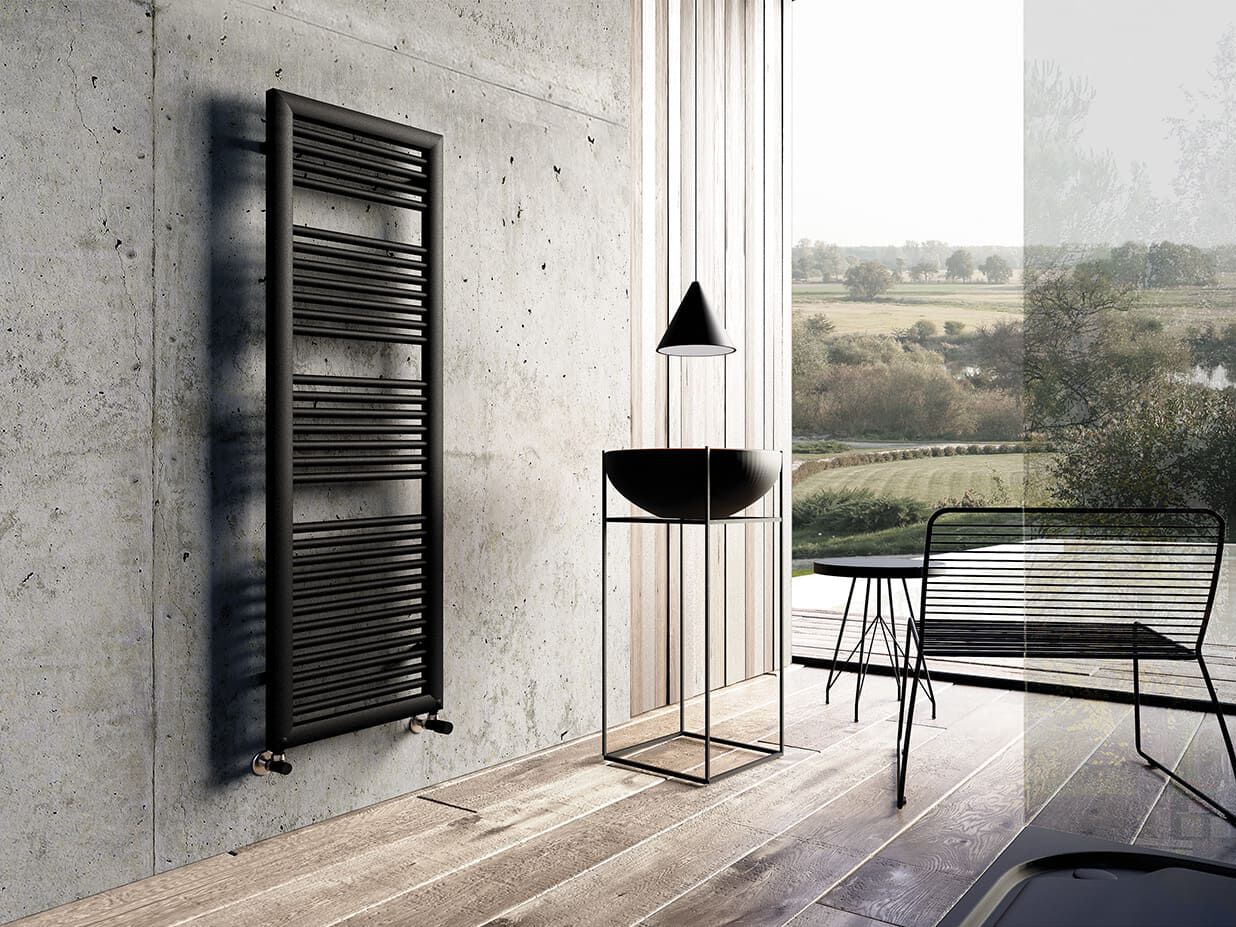
The catalogue now extends from multicolumn radiators and towel warmers to flat panels, modular compositions and sculptural heating elements. Horizontal and vertical formats, open towel rails, reversible models and radiators with integrated shelves or lighting allow the product to respond to different rooms and ways of living. Hydraulic, electric and mixed-operation versions also make the range suitable for new buildings, complete renovations and projects where existing pipework cannot be altered.
Many IRSAP models are designed to perform effectively with lower water temperatures and can be connected to condensing boilers or heat pumps. This has become increasingly relevant as contemporary heating systems move away from the high flow temperatures traditionally associated with radiators. The selection is therefore based not only on dimensions and appearance, but also on the thermal output required by the room and the type of heating system installed.
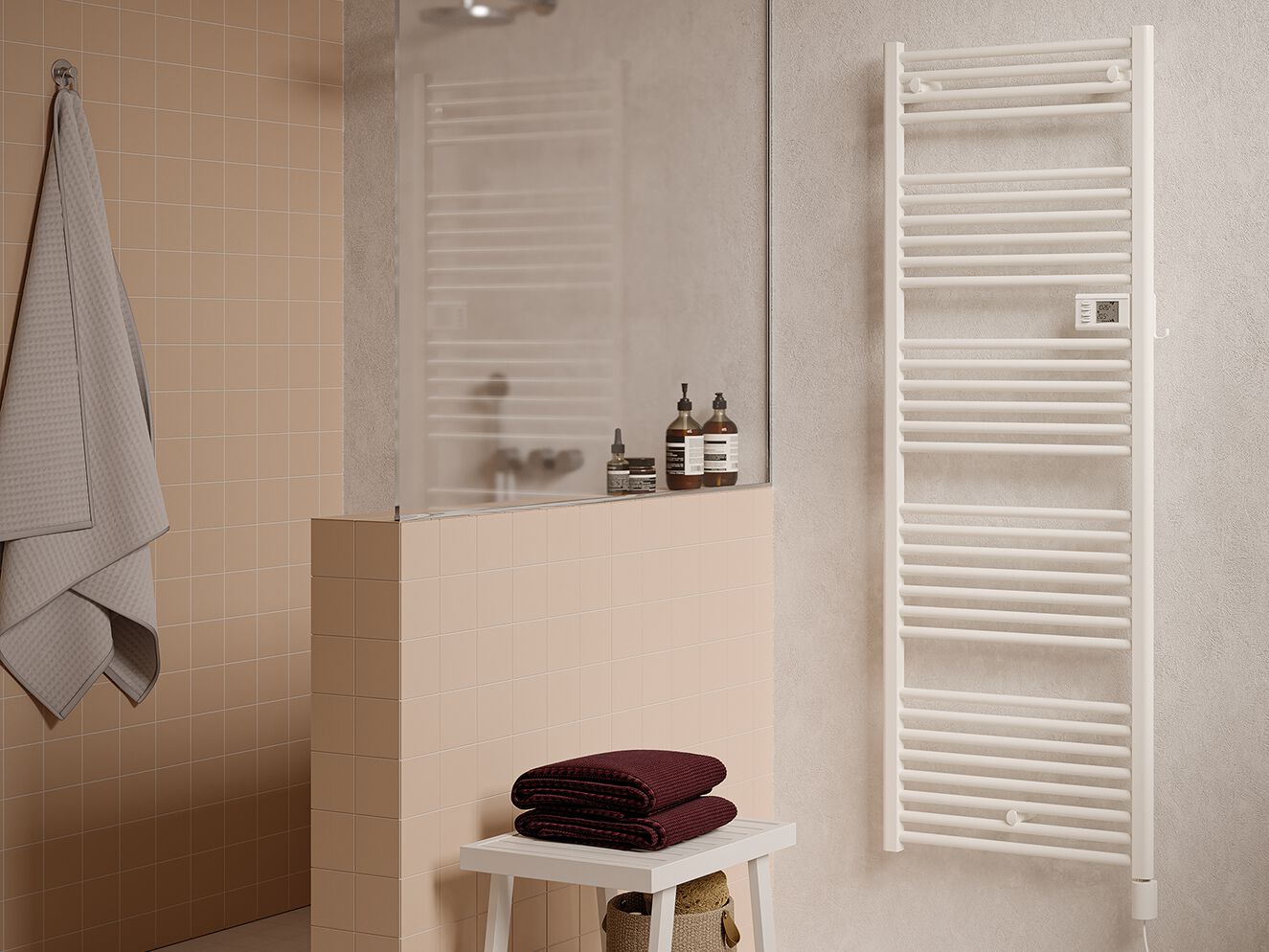
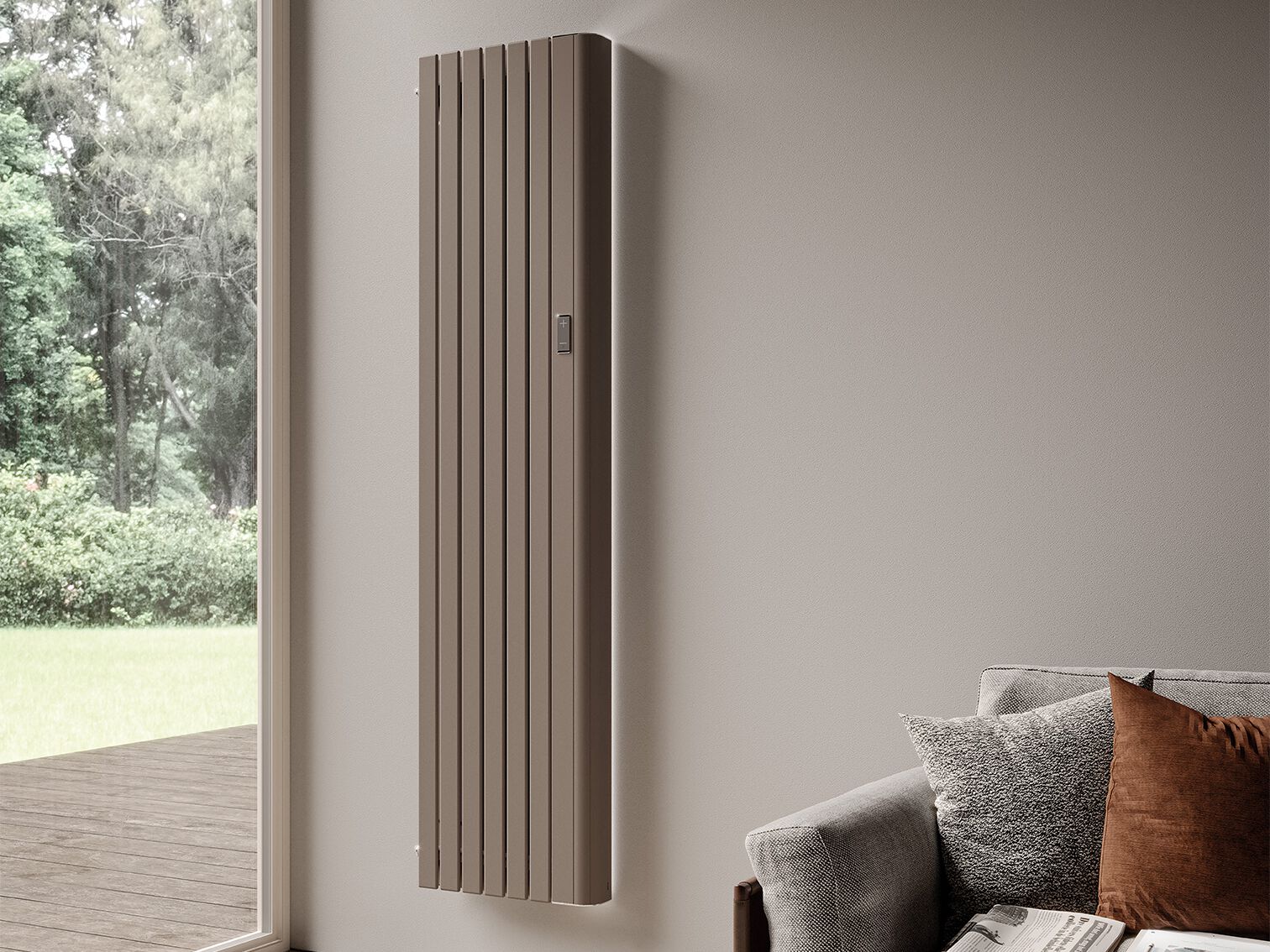
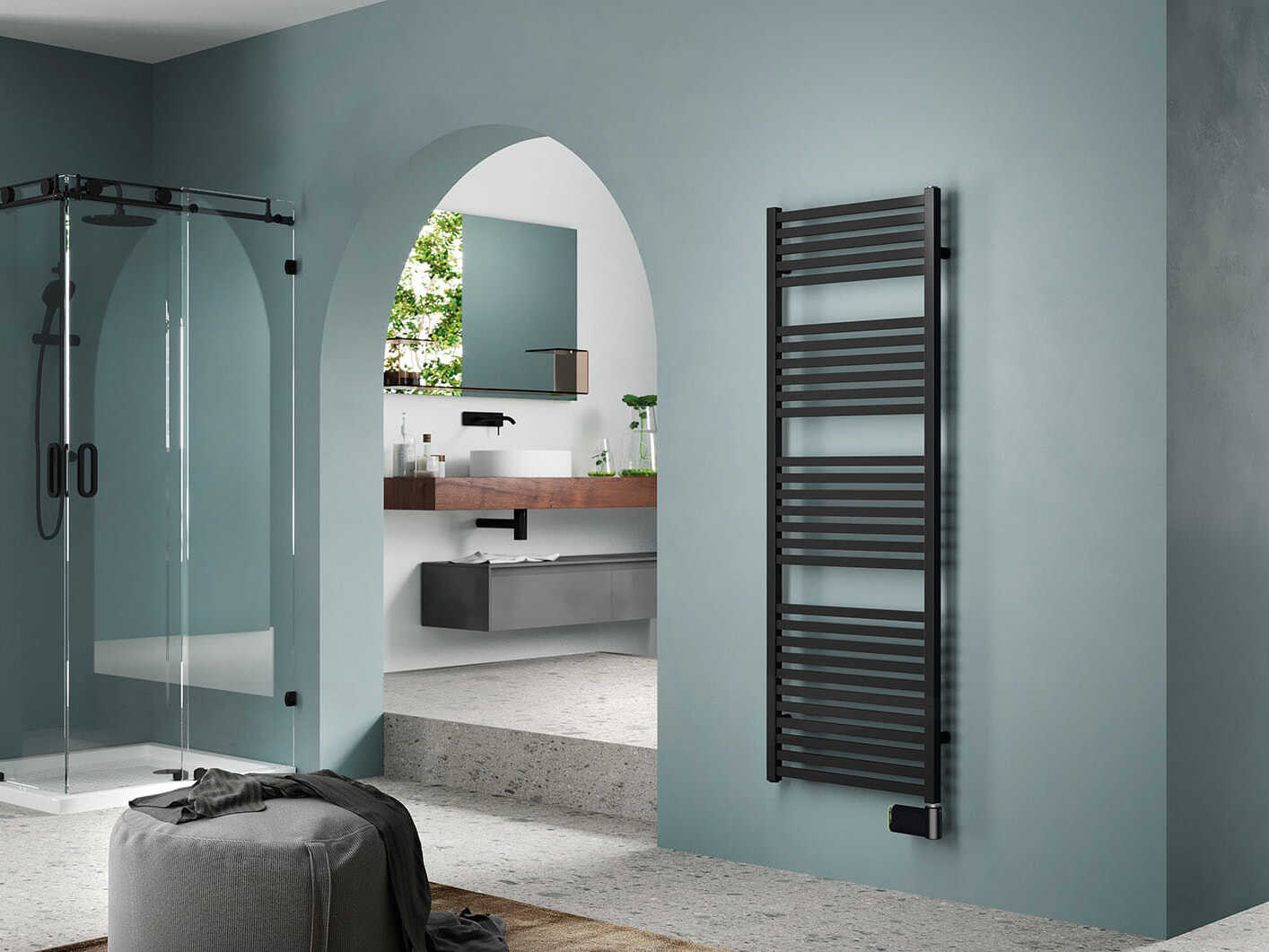
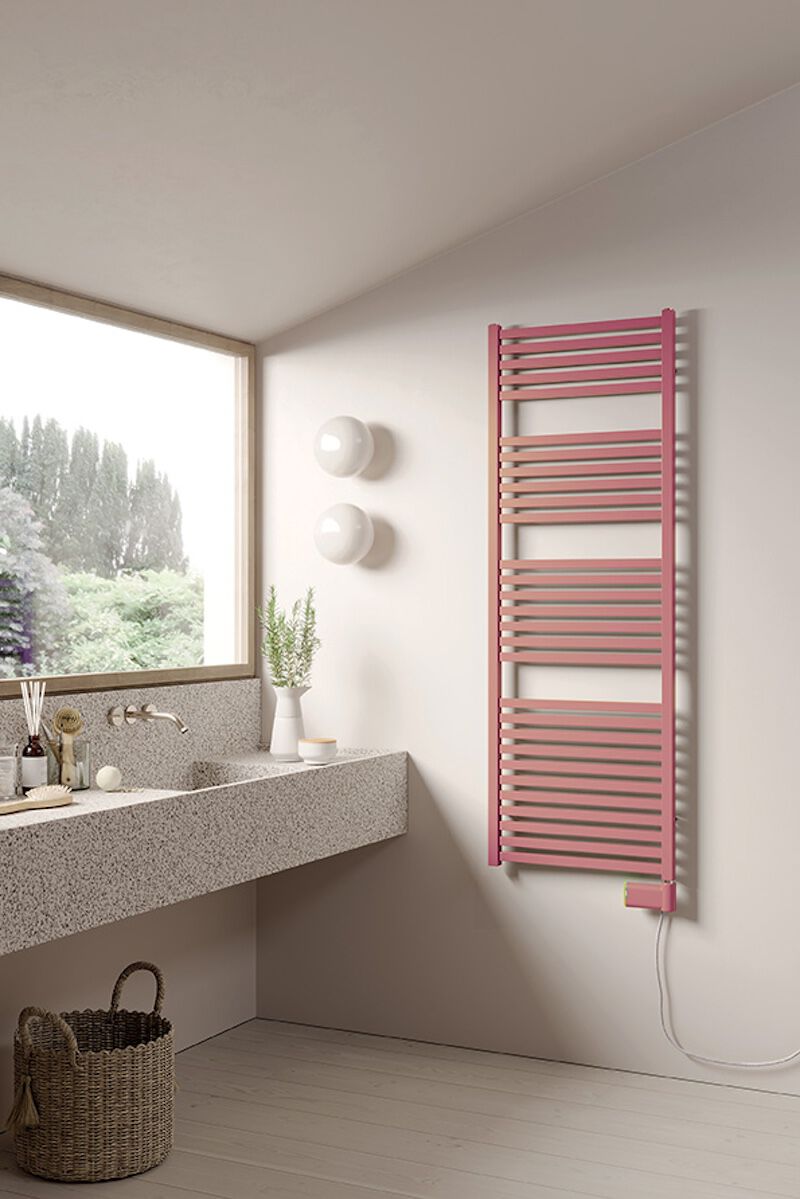
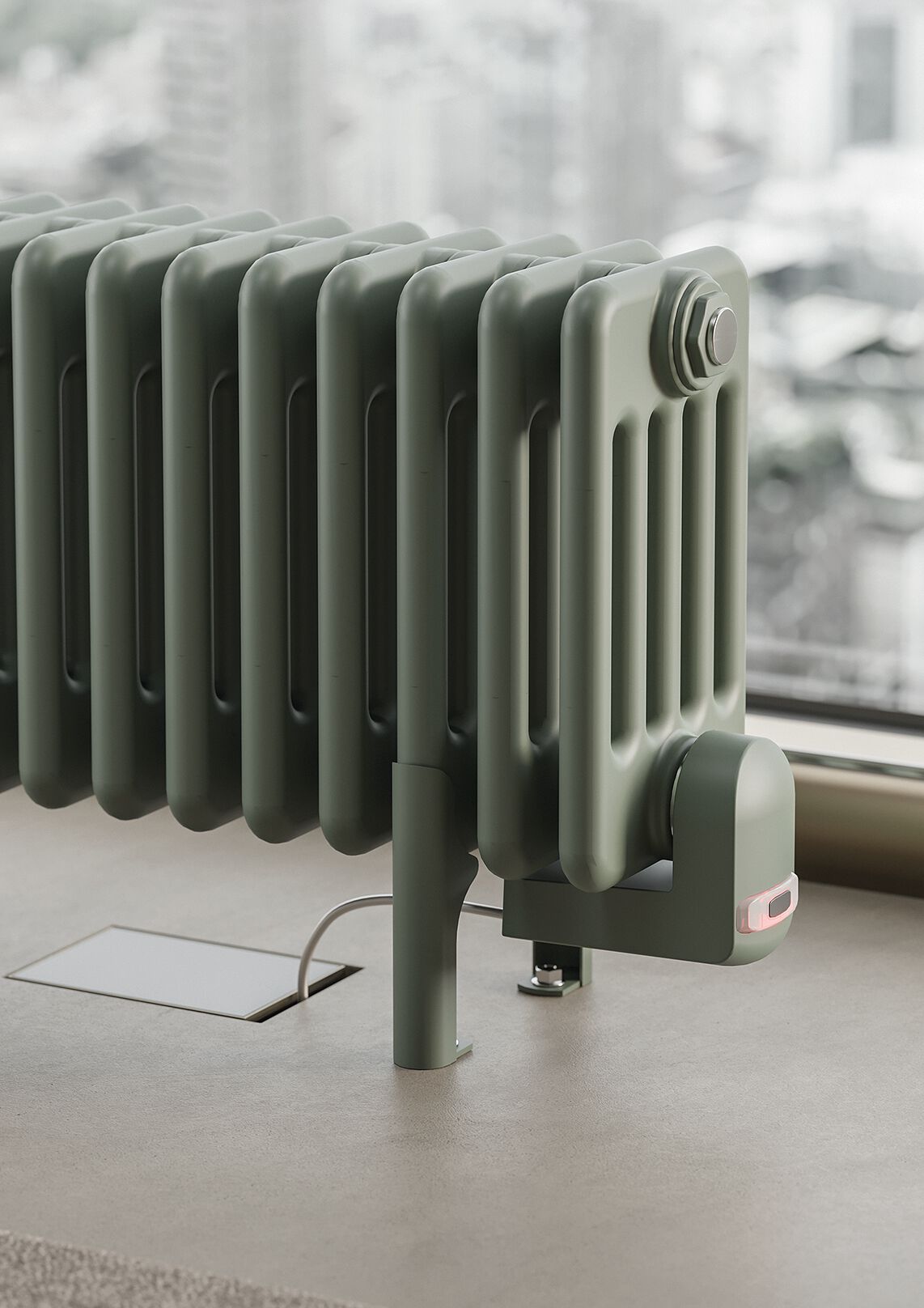
Electric heating has developed into a substantial part of the portfolio. Programmable controls and Wi-Fi-enabled models allow temperature and operating schedules to be managed independently in each room. Through the IRSAP NOW system, compatible radiators and heating zones can be controlled remotely, reducing unnecessary operation while maintaining comfort where and when it is required.
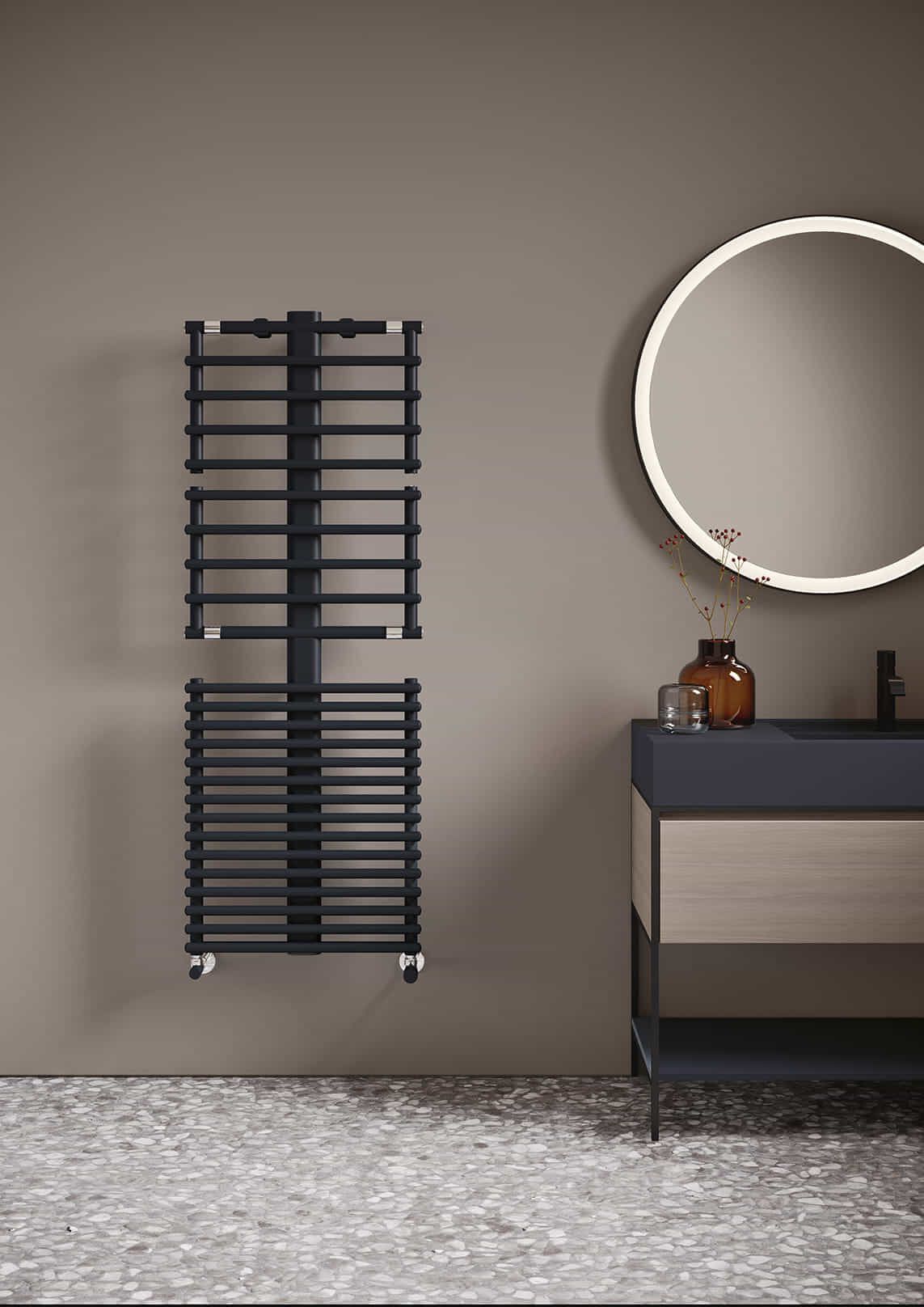
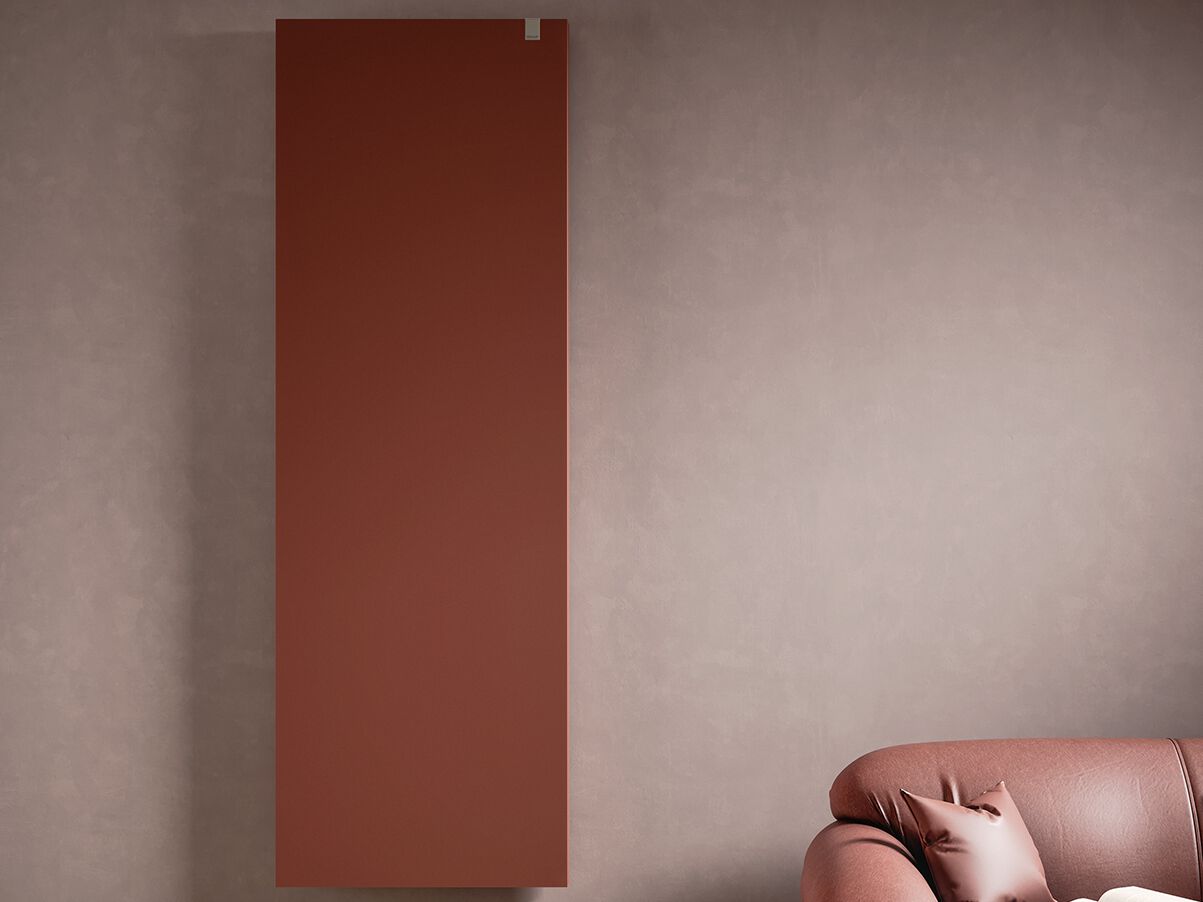
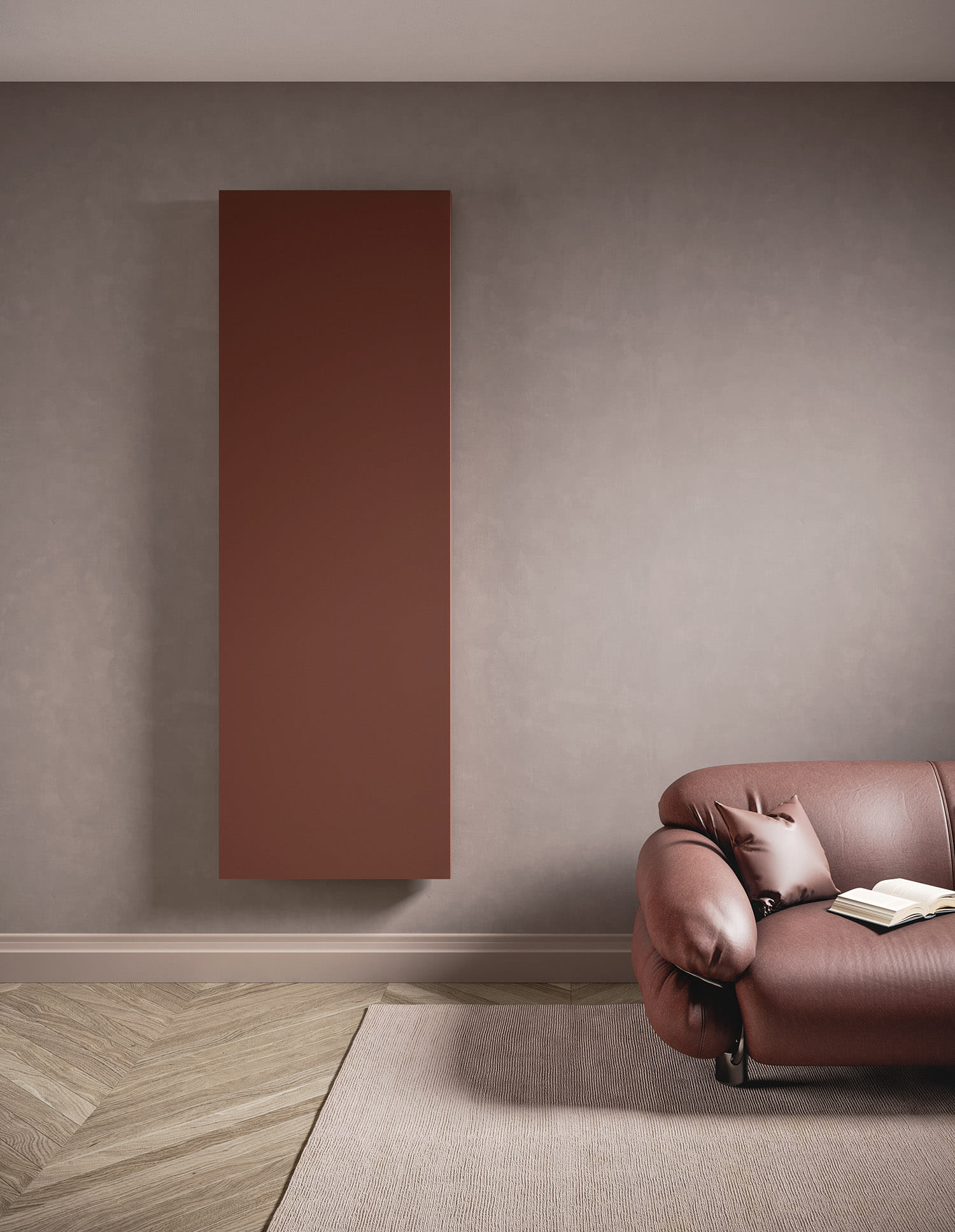
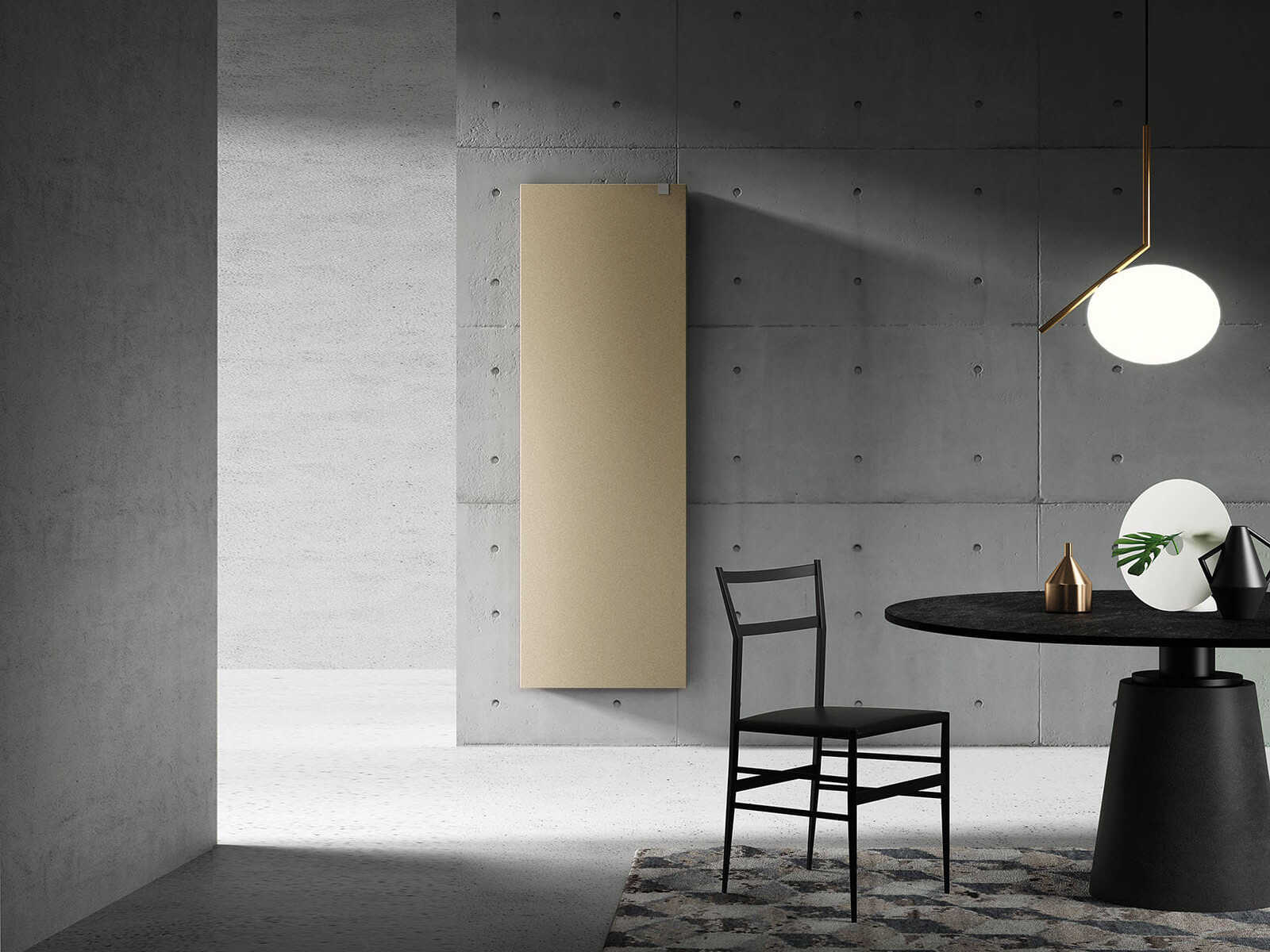
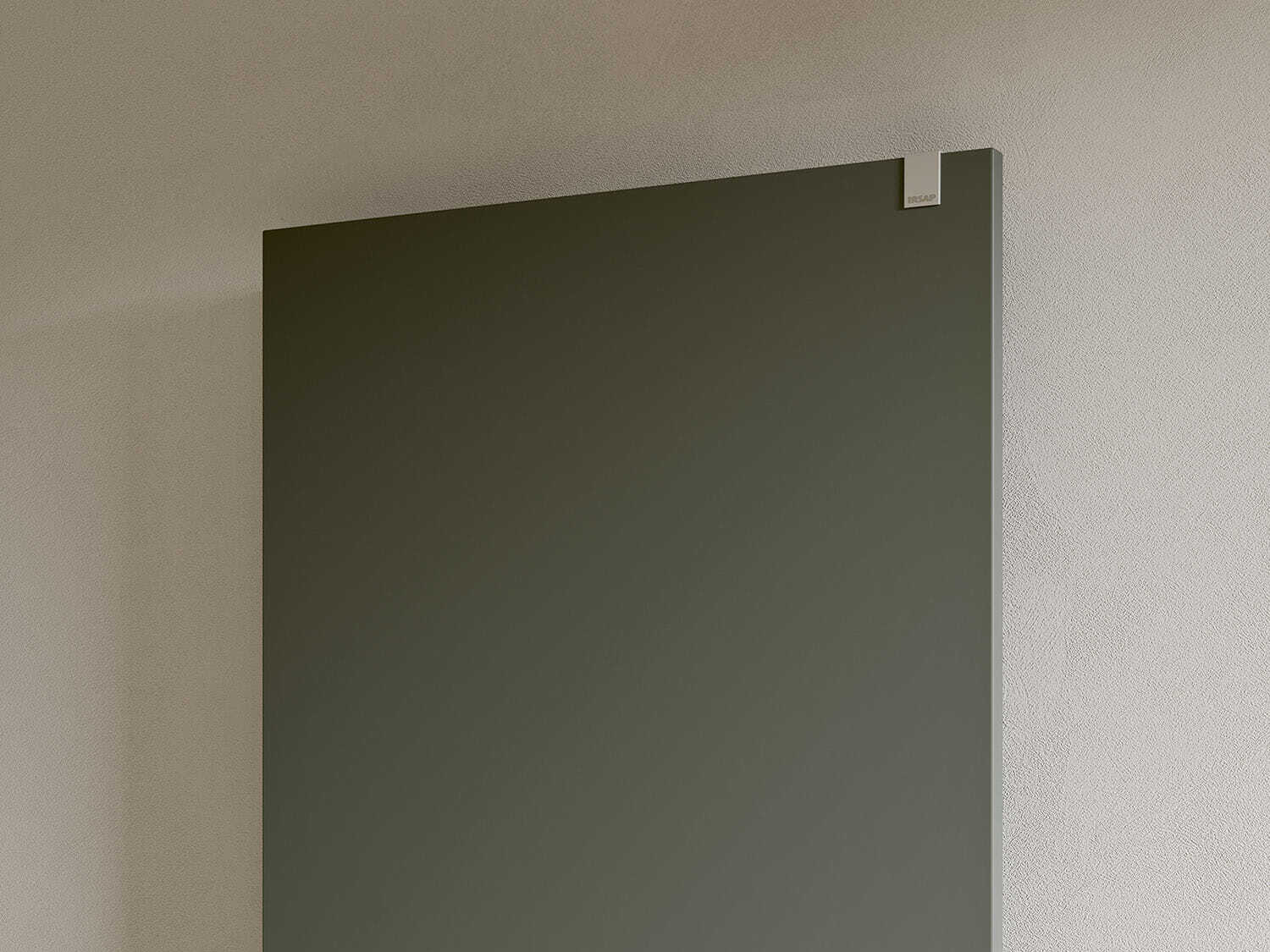
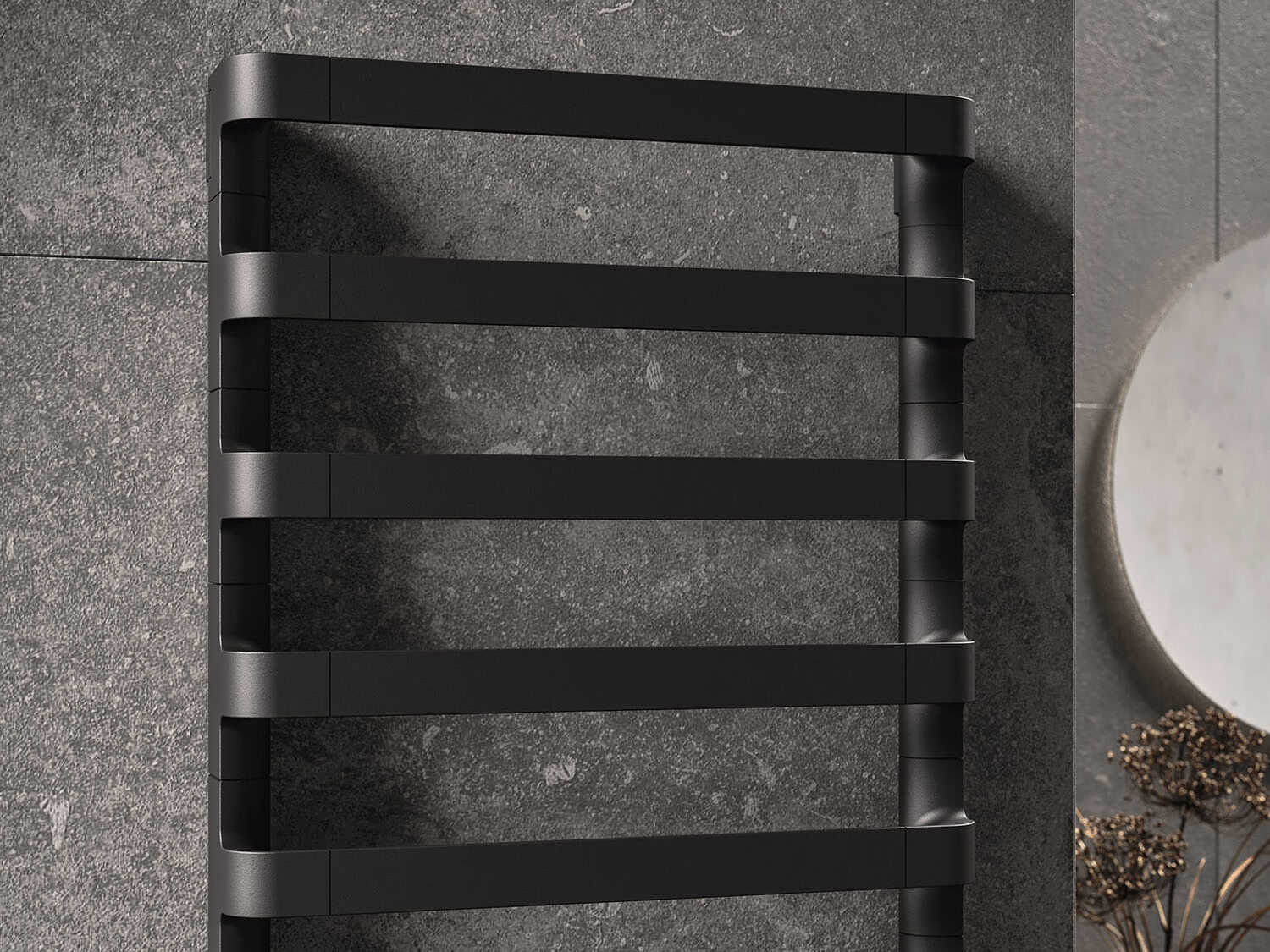
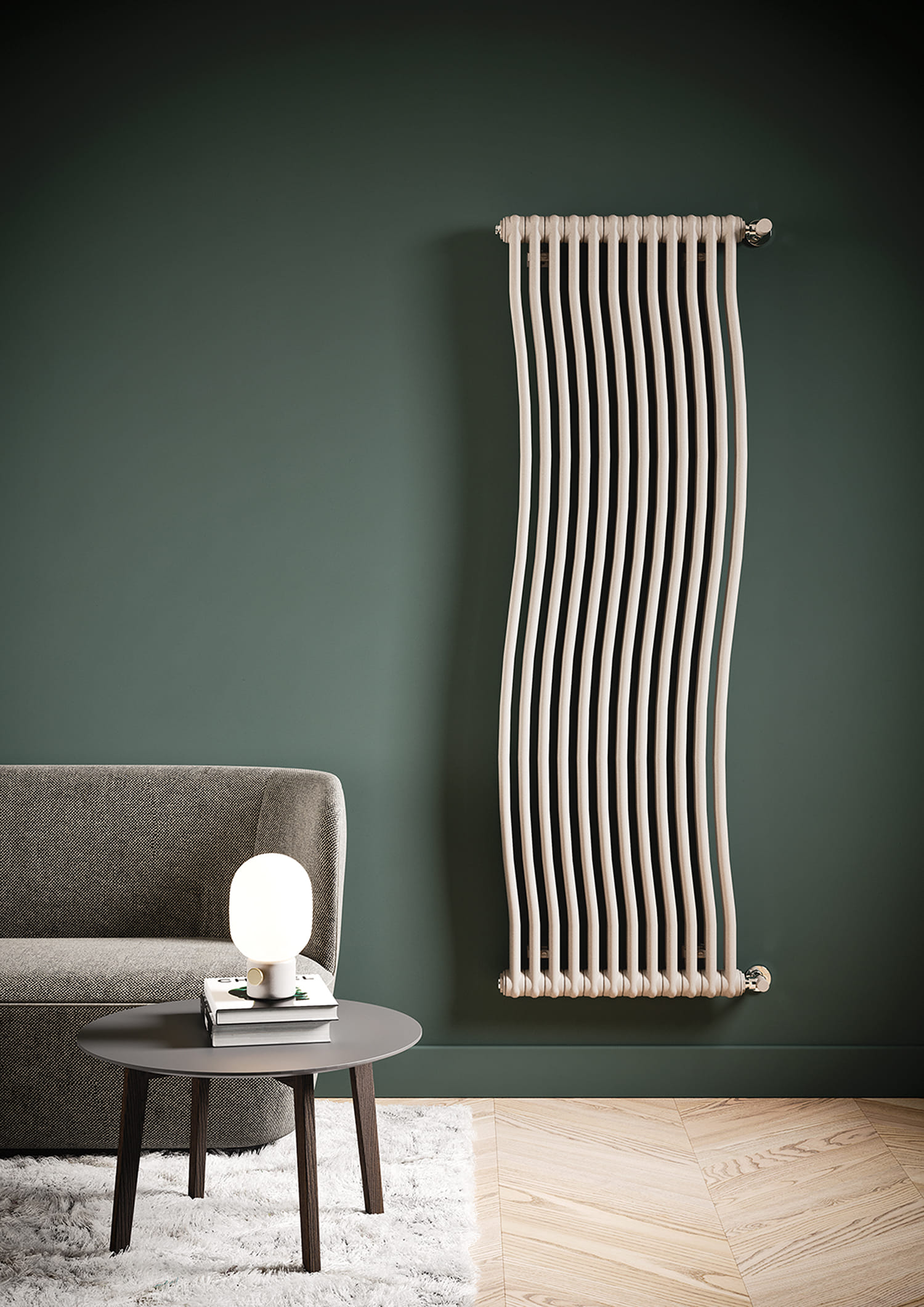
Colour is another important part of the brand’s identity. Most models can be specified in an extensive palette ranging from architectural neutrals and matte colours to textured, metallic, bronze and copper-inspired finishes. Additional RAL colours can also be evaluated for selected products. This breadth allows the radiator to disappear into the wall, coordinate with surrounding finishes or become a deliberate chromatic accent.
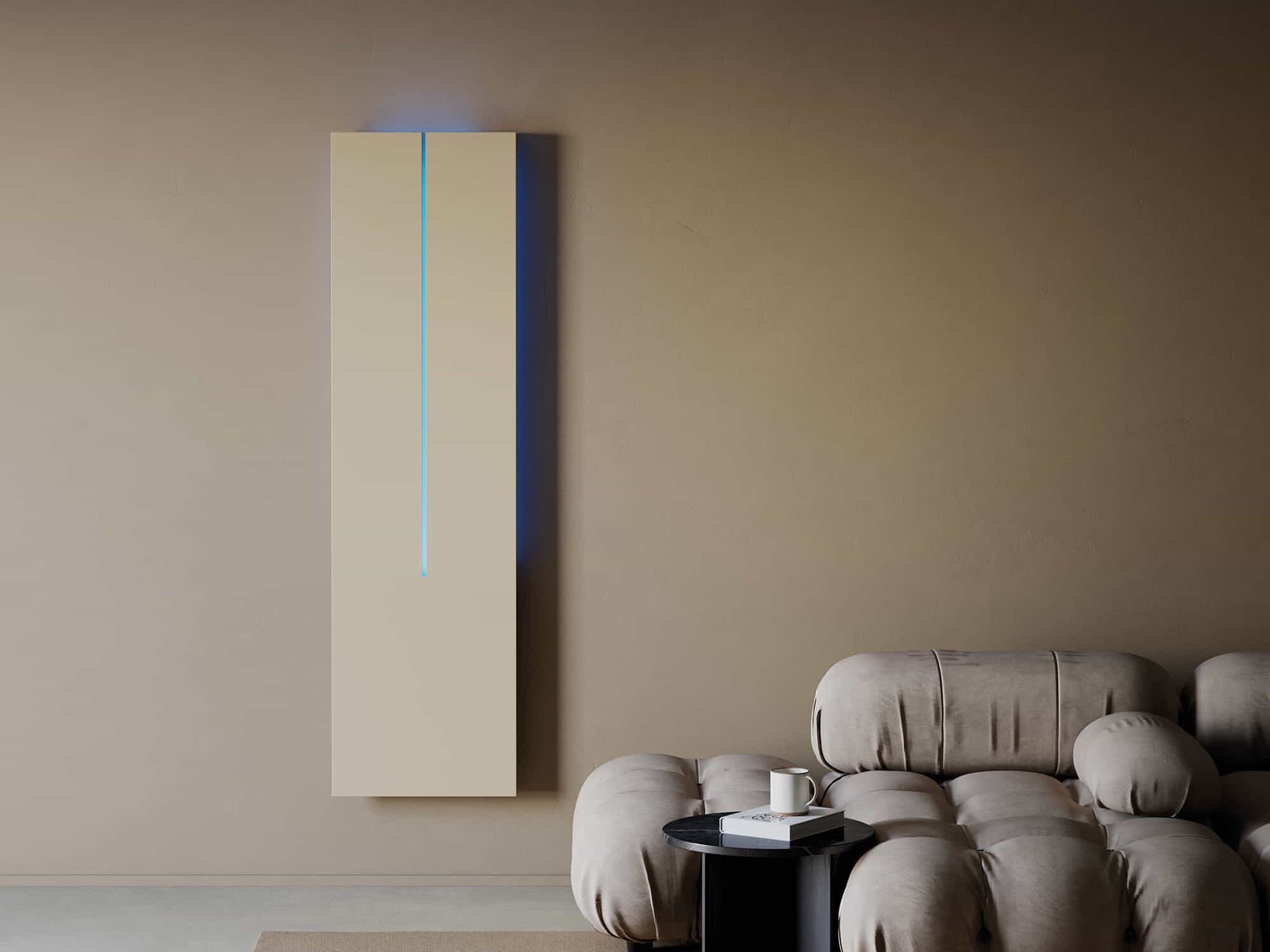
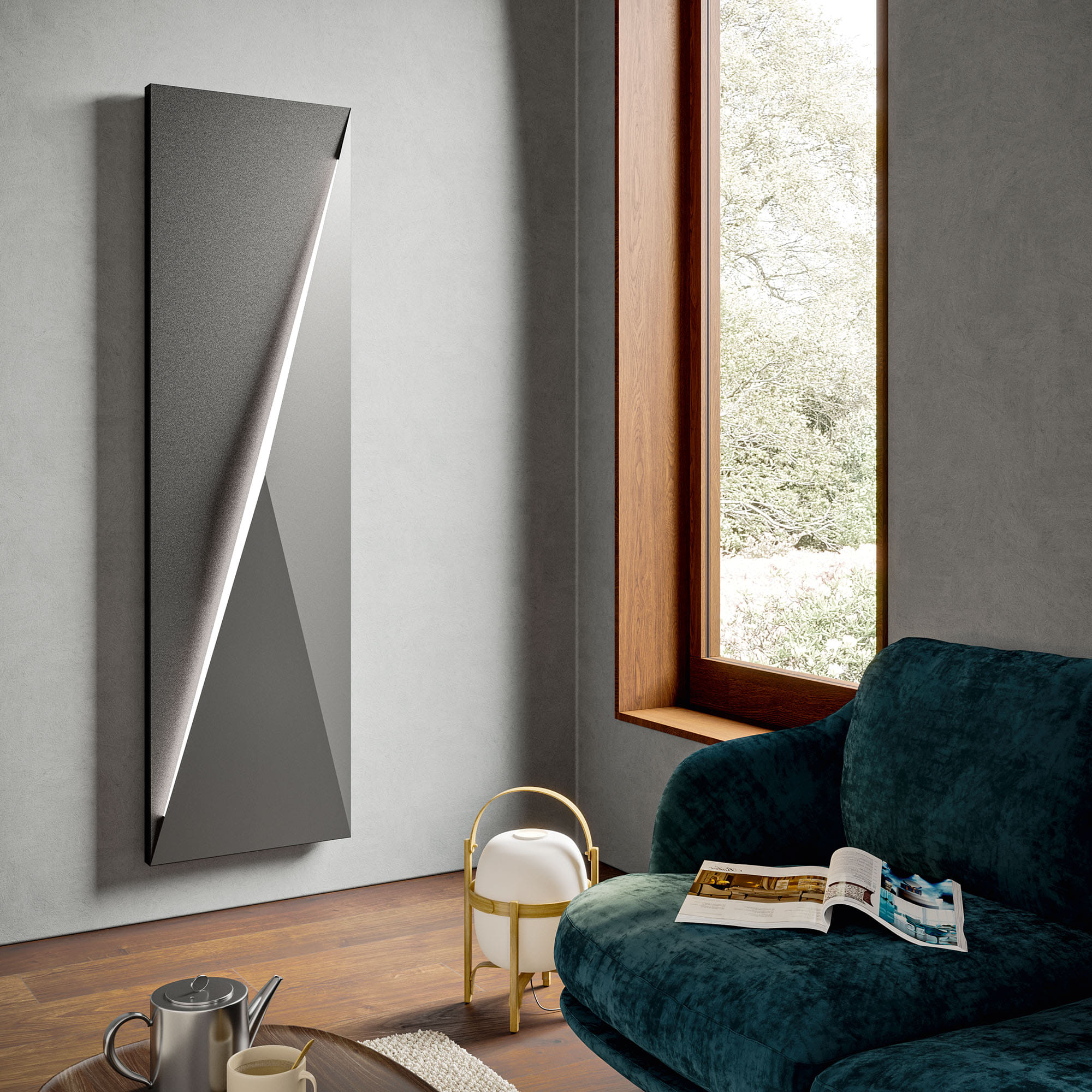
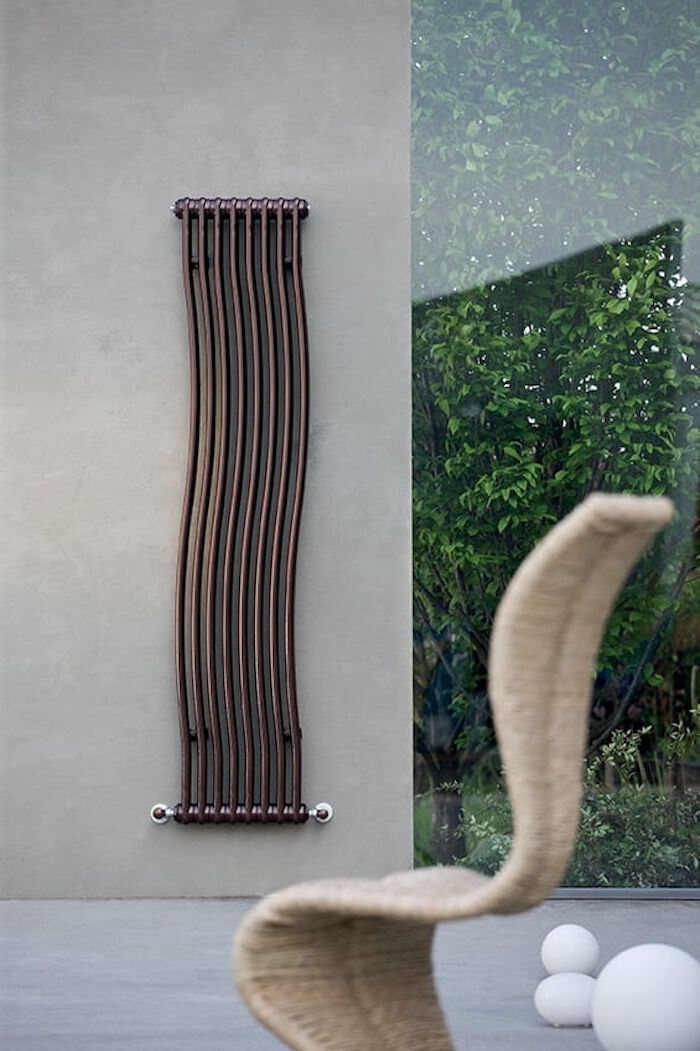
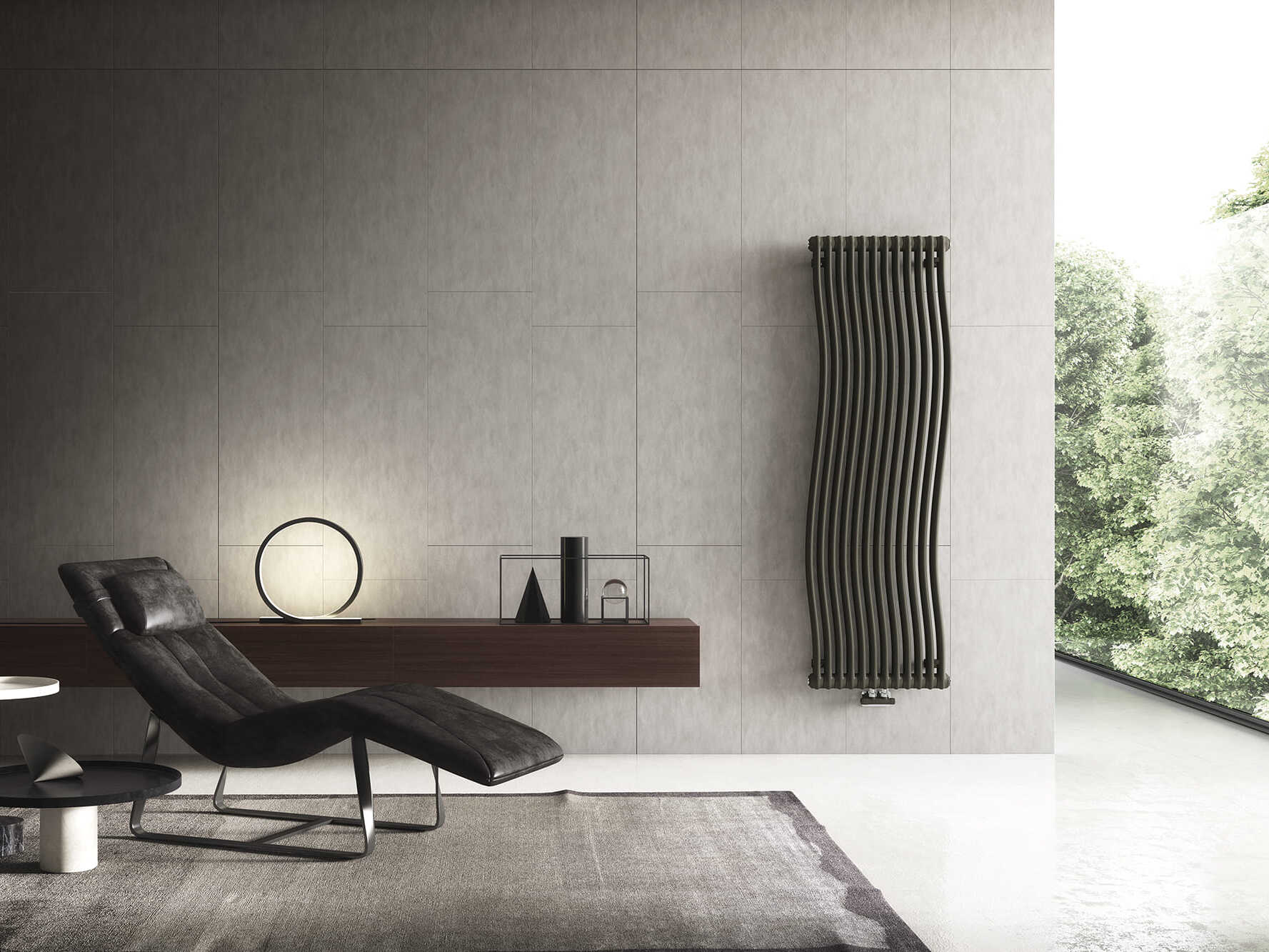
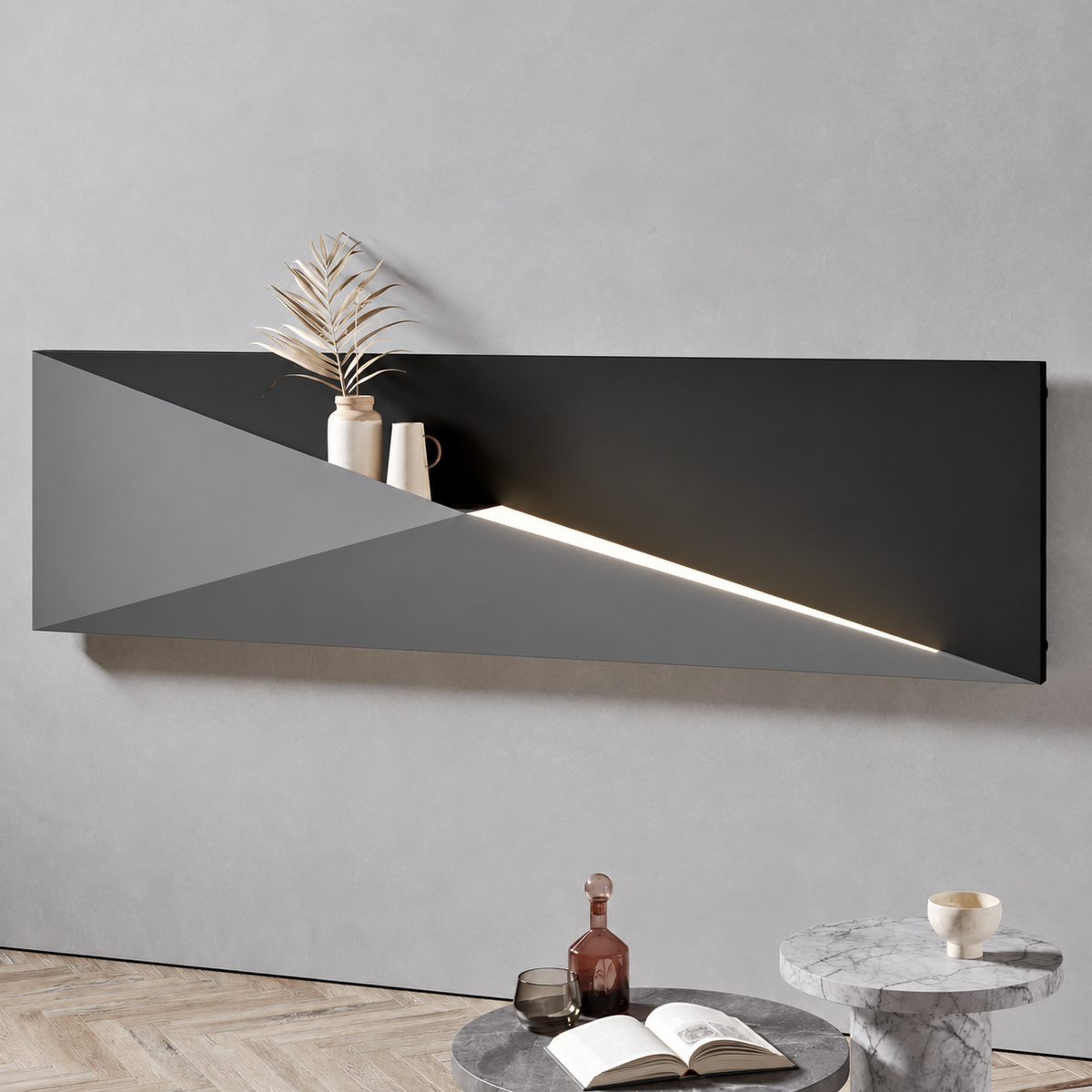
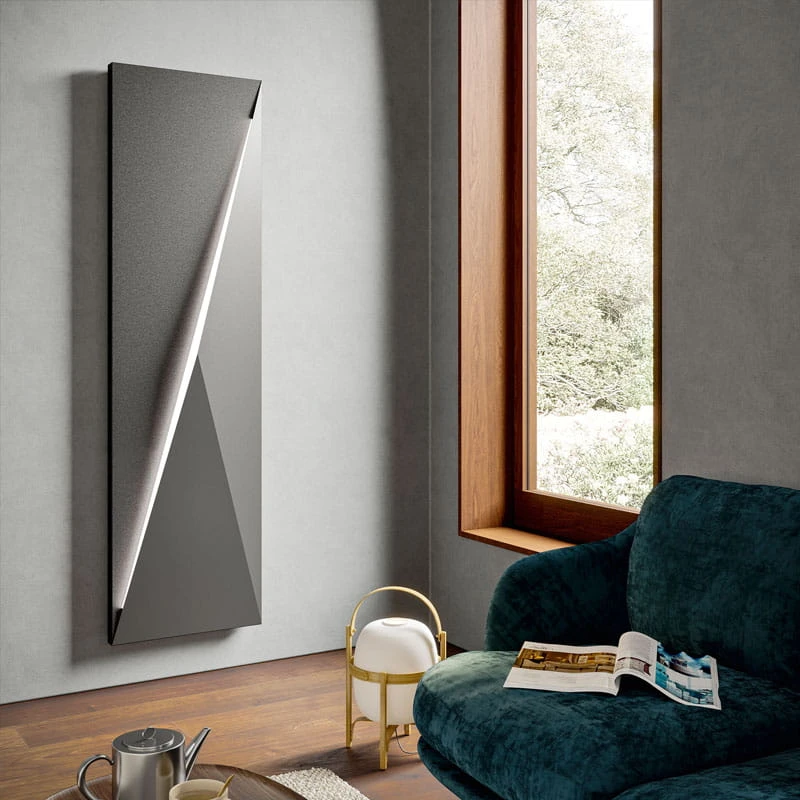
IRSAP’s design collections introduce a more architectural interpretation of heat. Collaborations with Antonio Citterio, Angeletti Ruzza Design, Synthesis Design and Domenico De Palo have produced radiators that explore proportion, modularity and the relationship between heat and furniture. Polygon, designed by Valentina Volpe following an international design competition, goes further by integrating an LED light within its folded surface, combining heating and ambient illumination in a single wall-mounted element.
IRSAP’s strength lies in the breadth of its heating expertise. The same manufacturer can provide a highly configurable tubular radiator, a bathroom towel warmer, a low-temperature solution or a connected electric model, while maintaining consistent control over colour, dimensions and thermal performance. The radiator becomes part of the interior, but never at the expense of its primary function.
Founded in 1963 | Italy | Headquarters: Arquà Polesine, Rovigo