Architectural elements that give walls structure, rhythm and depth
ORAC was founded in Ostend in 1970 with the aim of replacing traditional materials used in furniture and interior decoration with advanced polymers. What began as material research has developed into a complete collection of architectural elements for walls and ceilings, ranging from classical mouldings to contemporary three-dimensional surfaces.
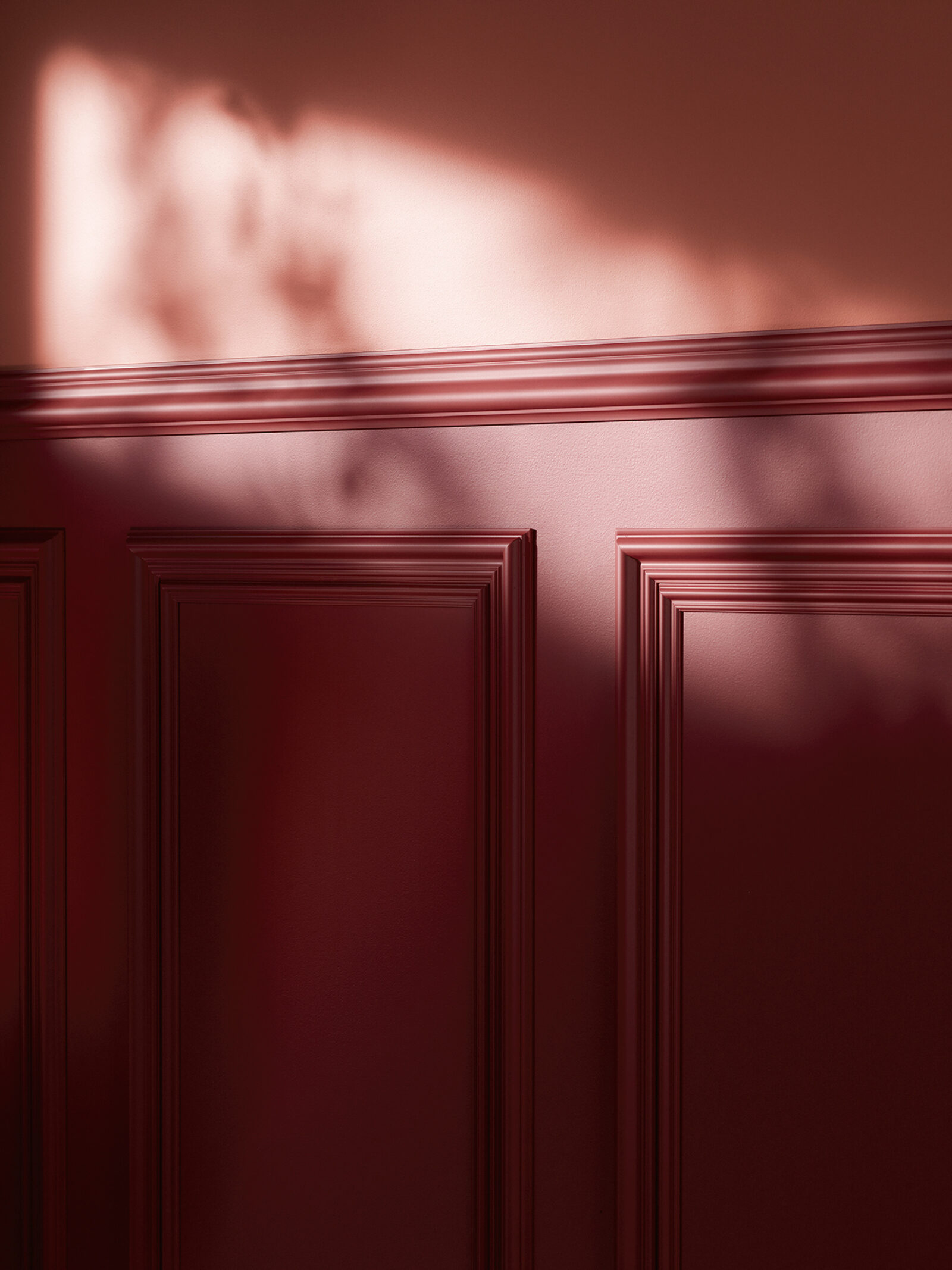
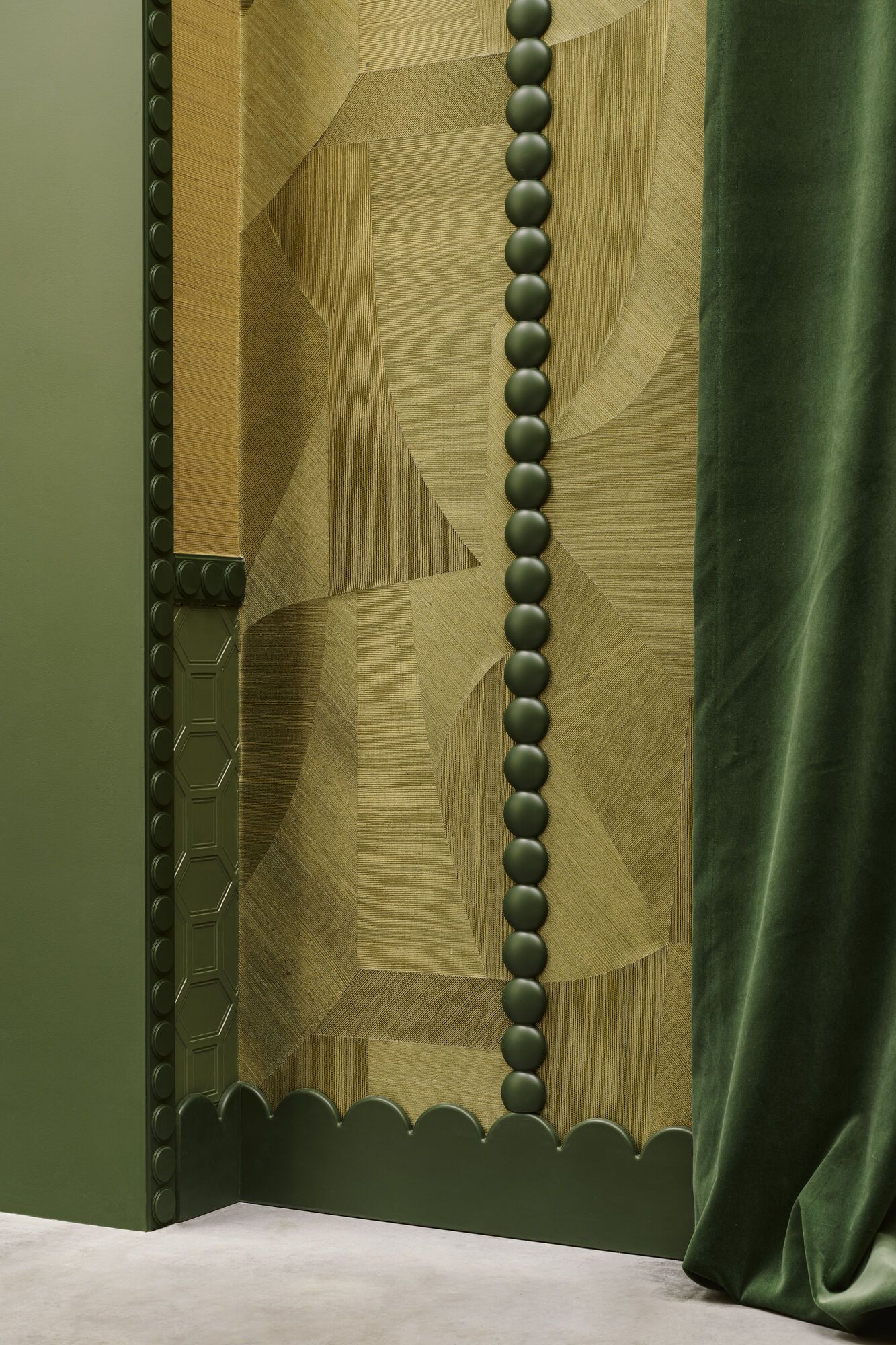
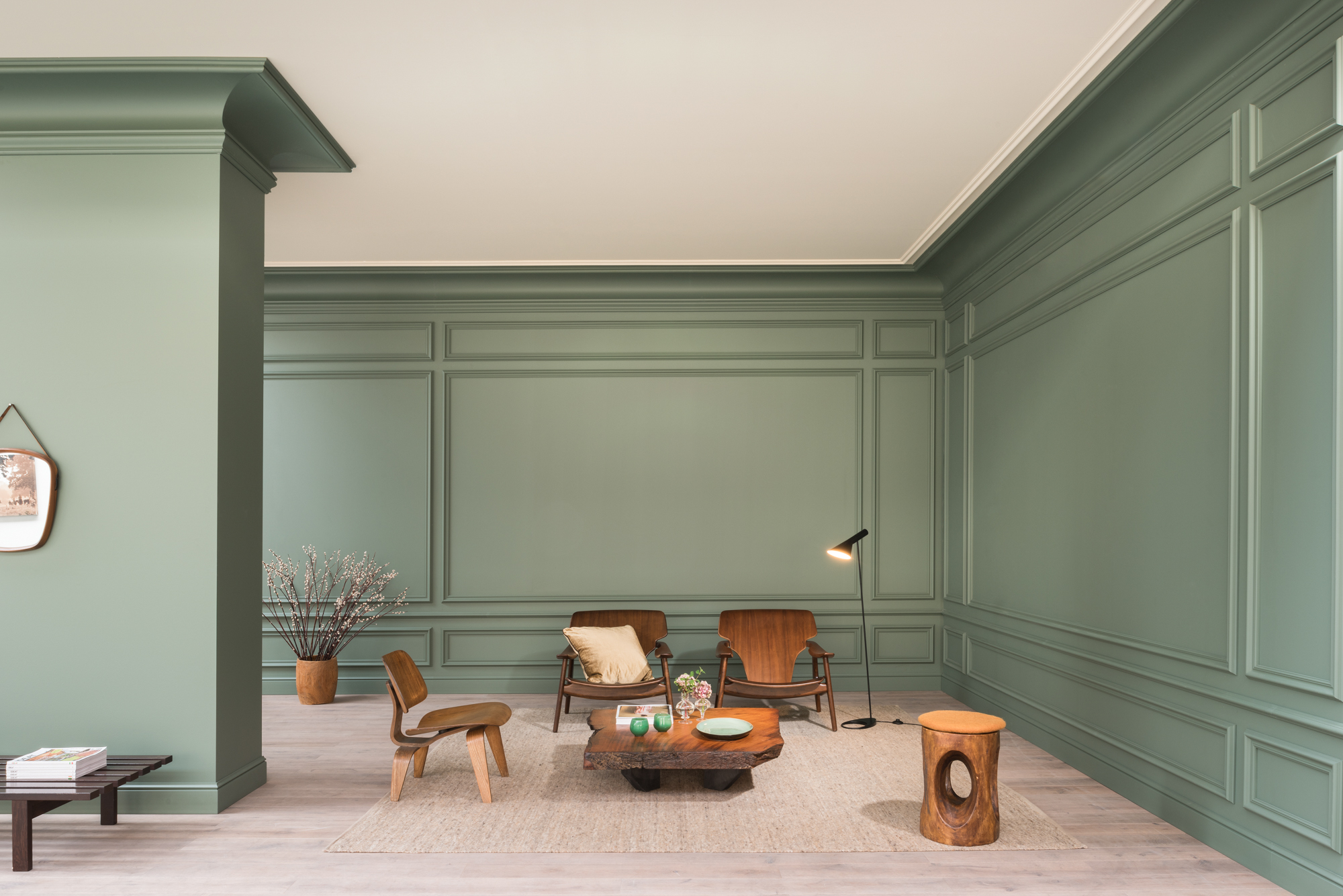
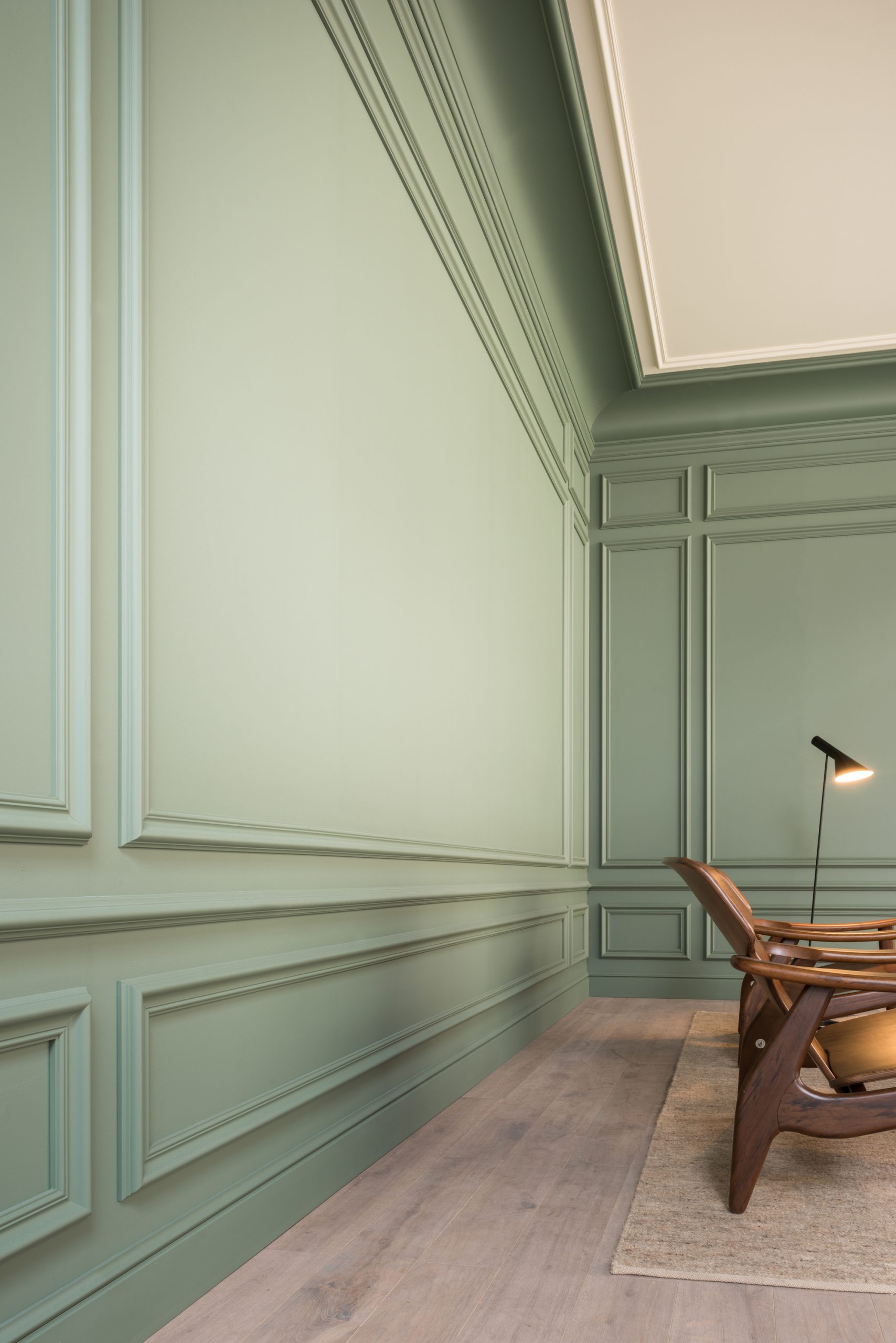
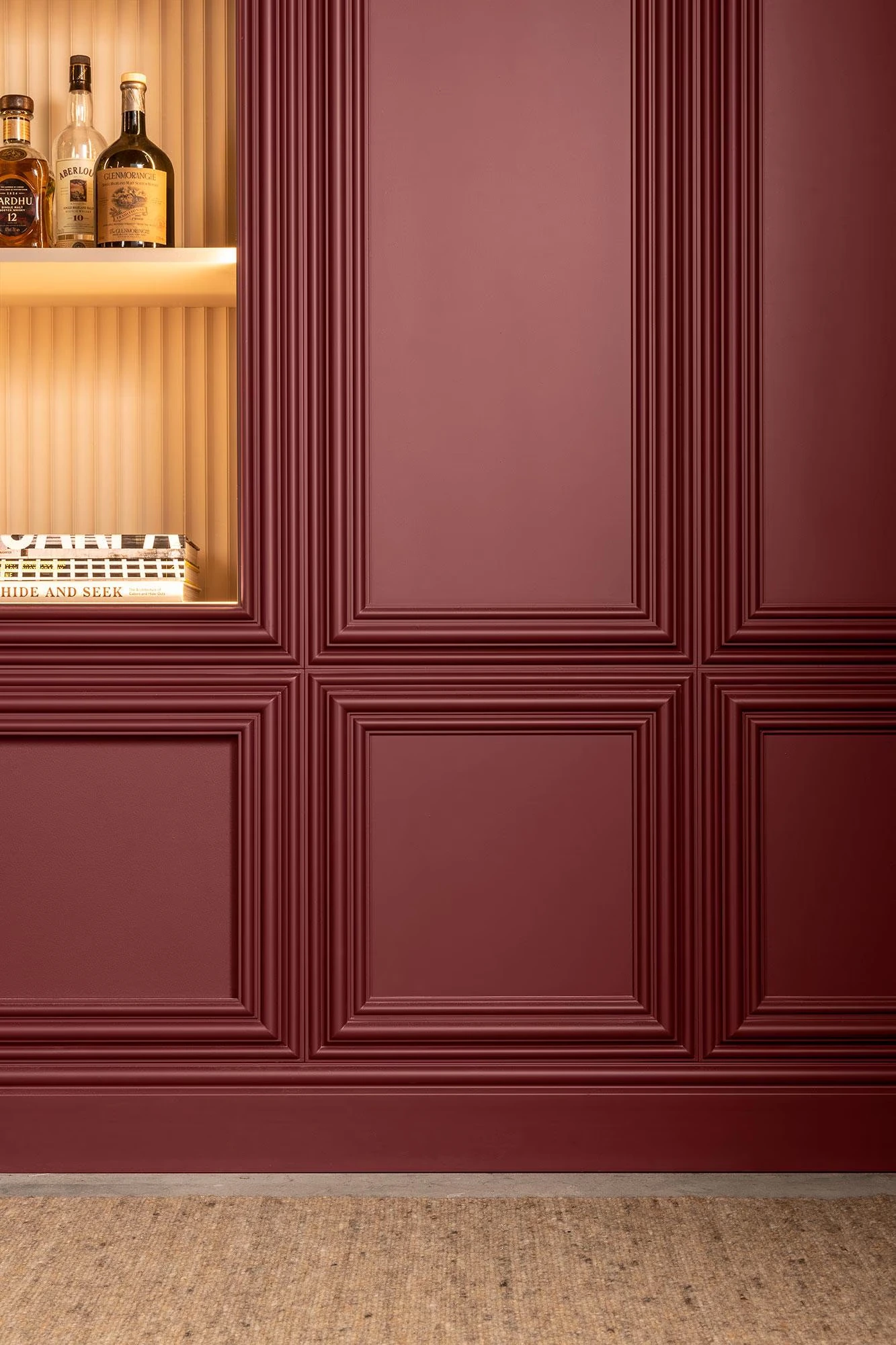
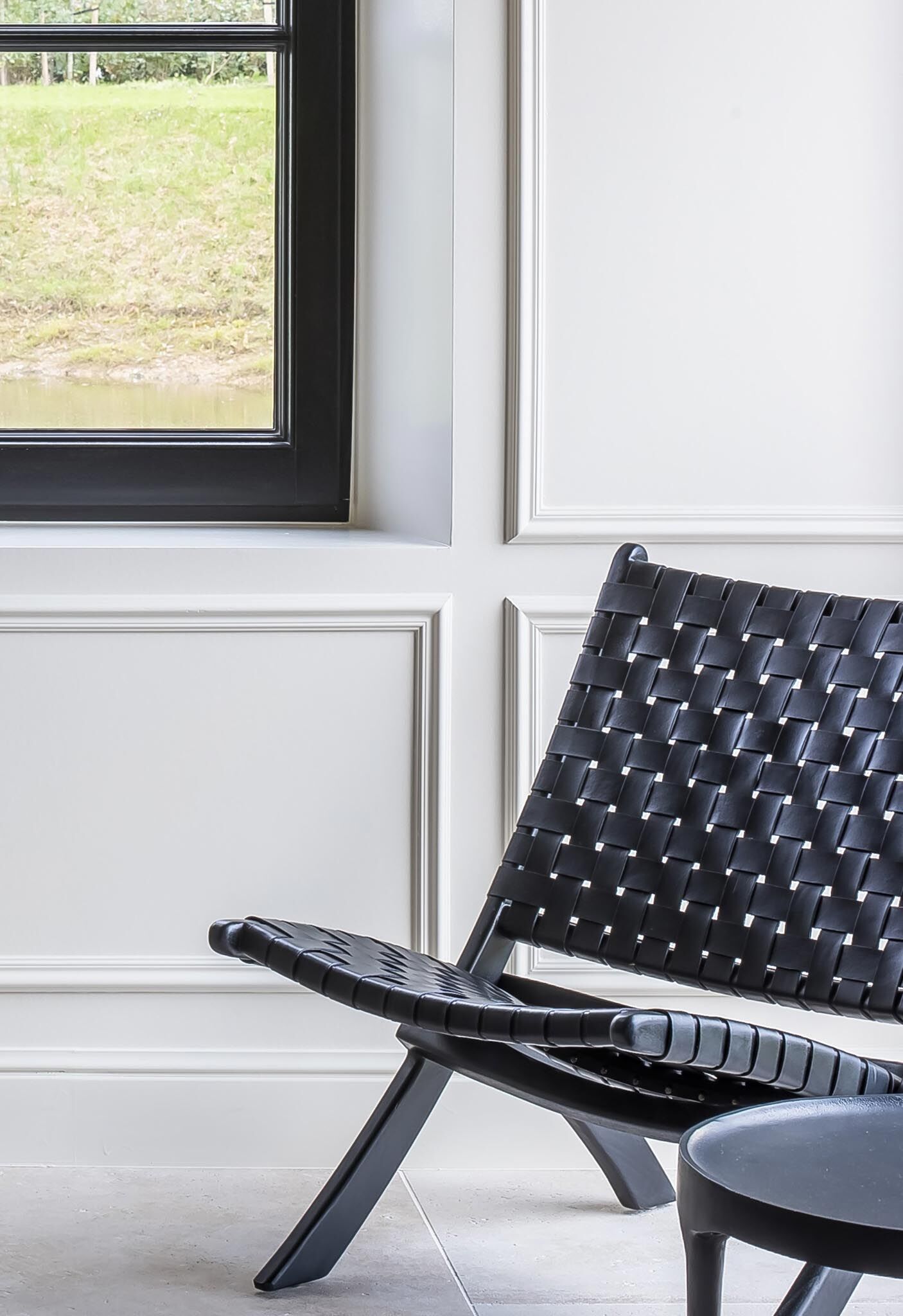
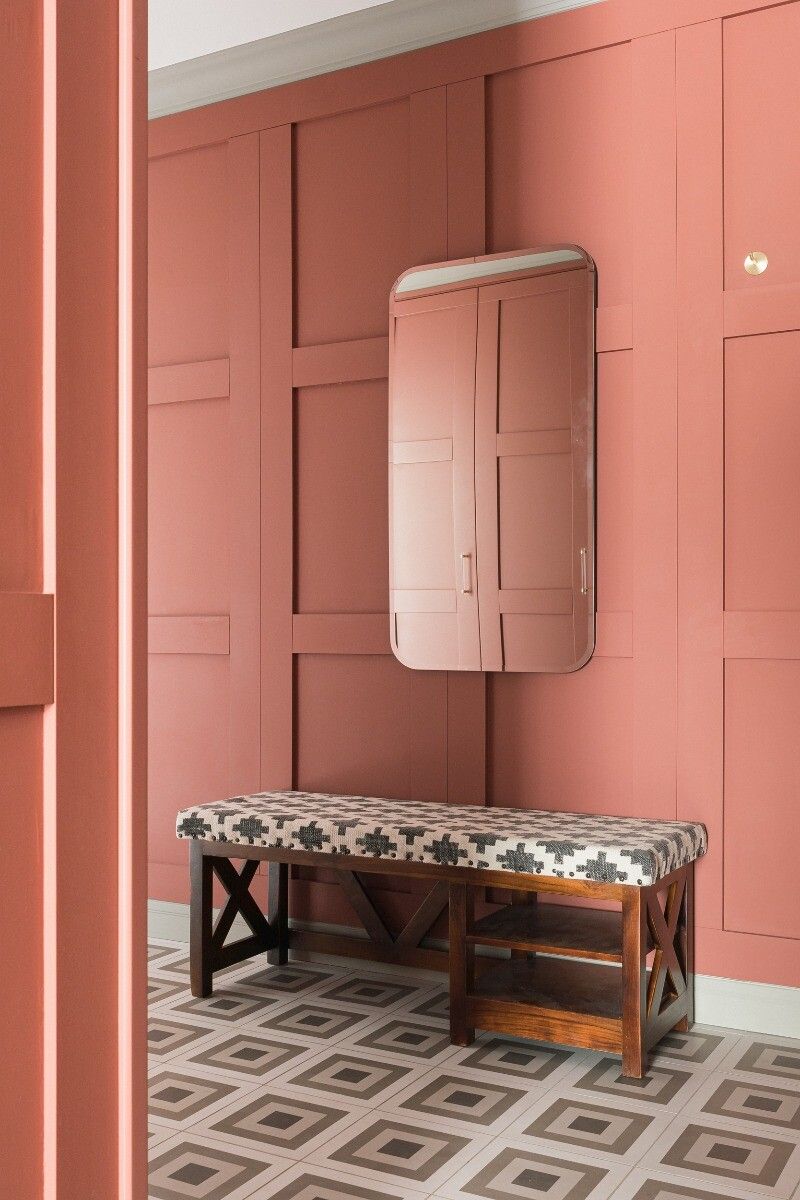
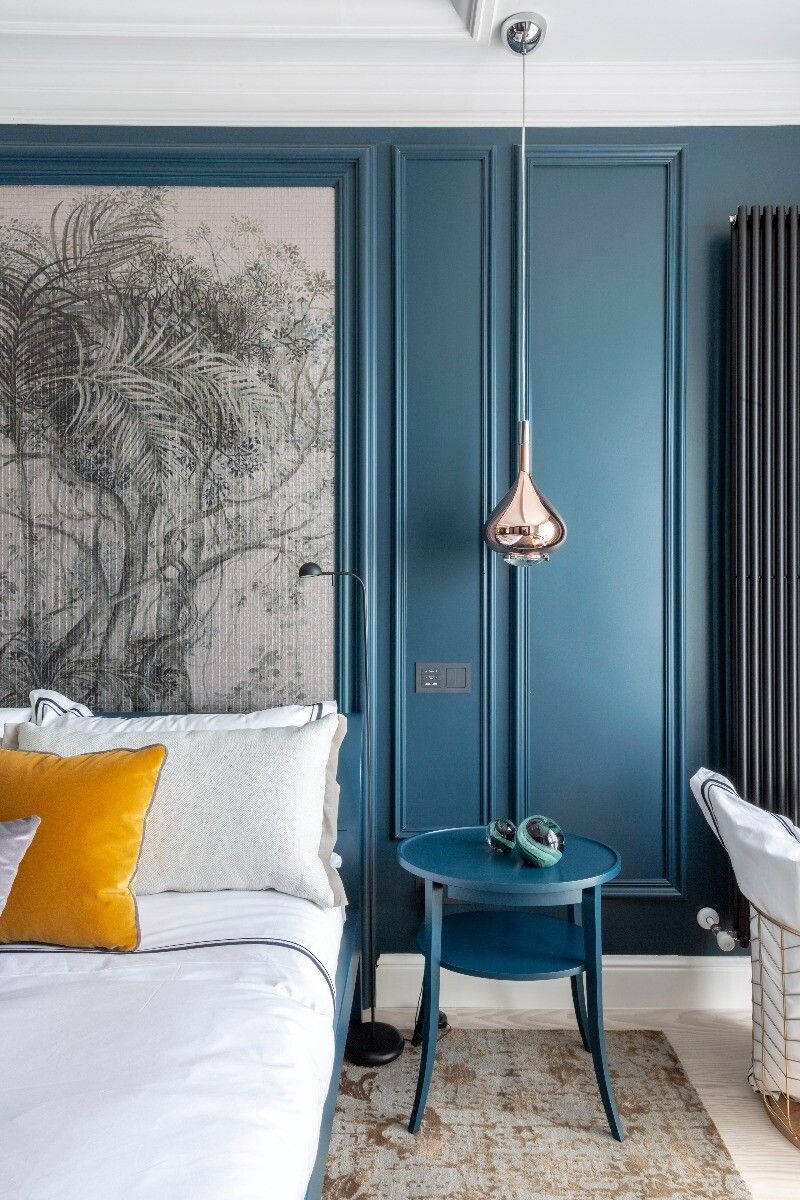
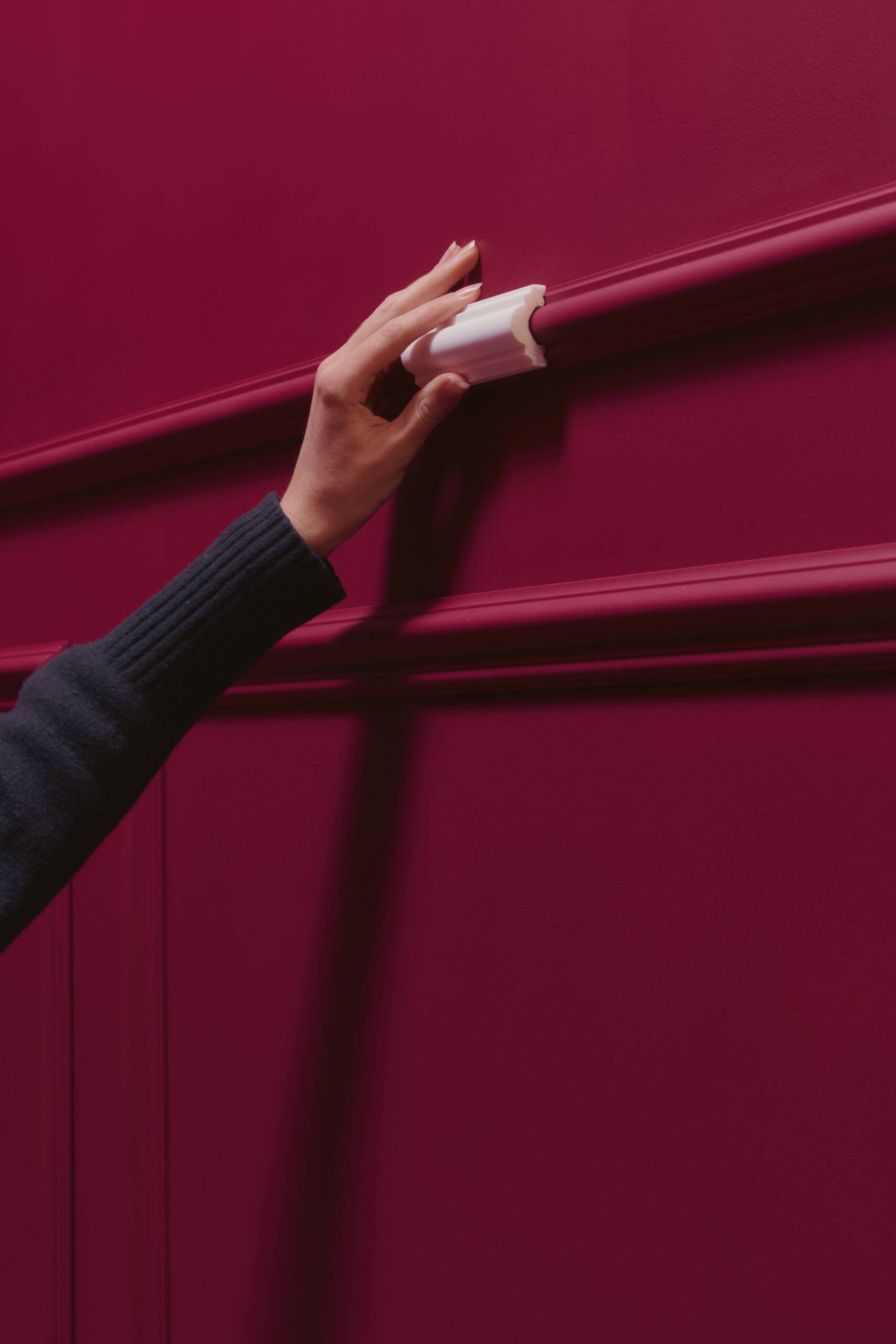
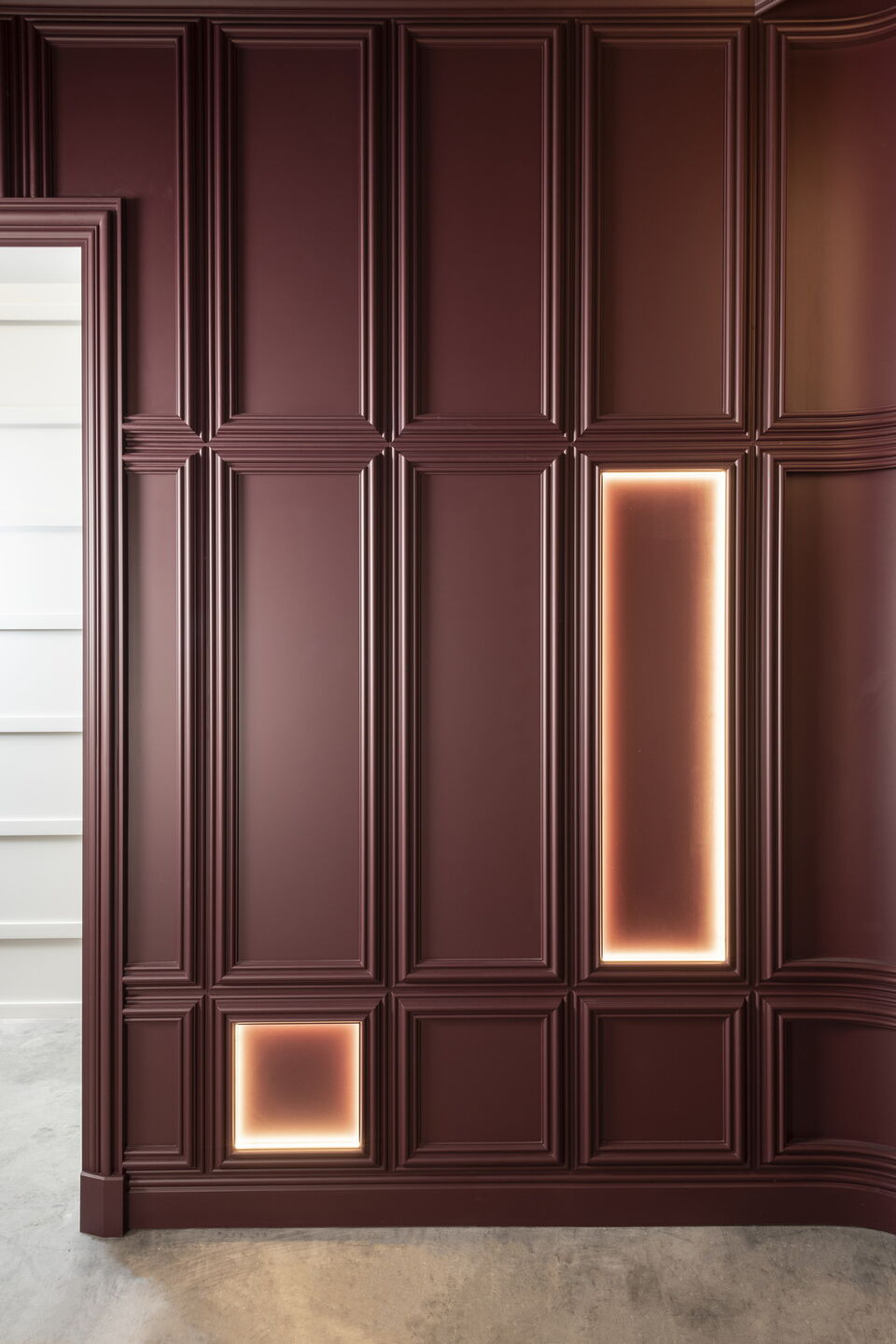
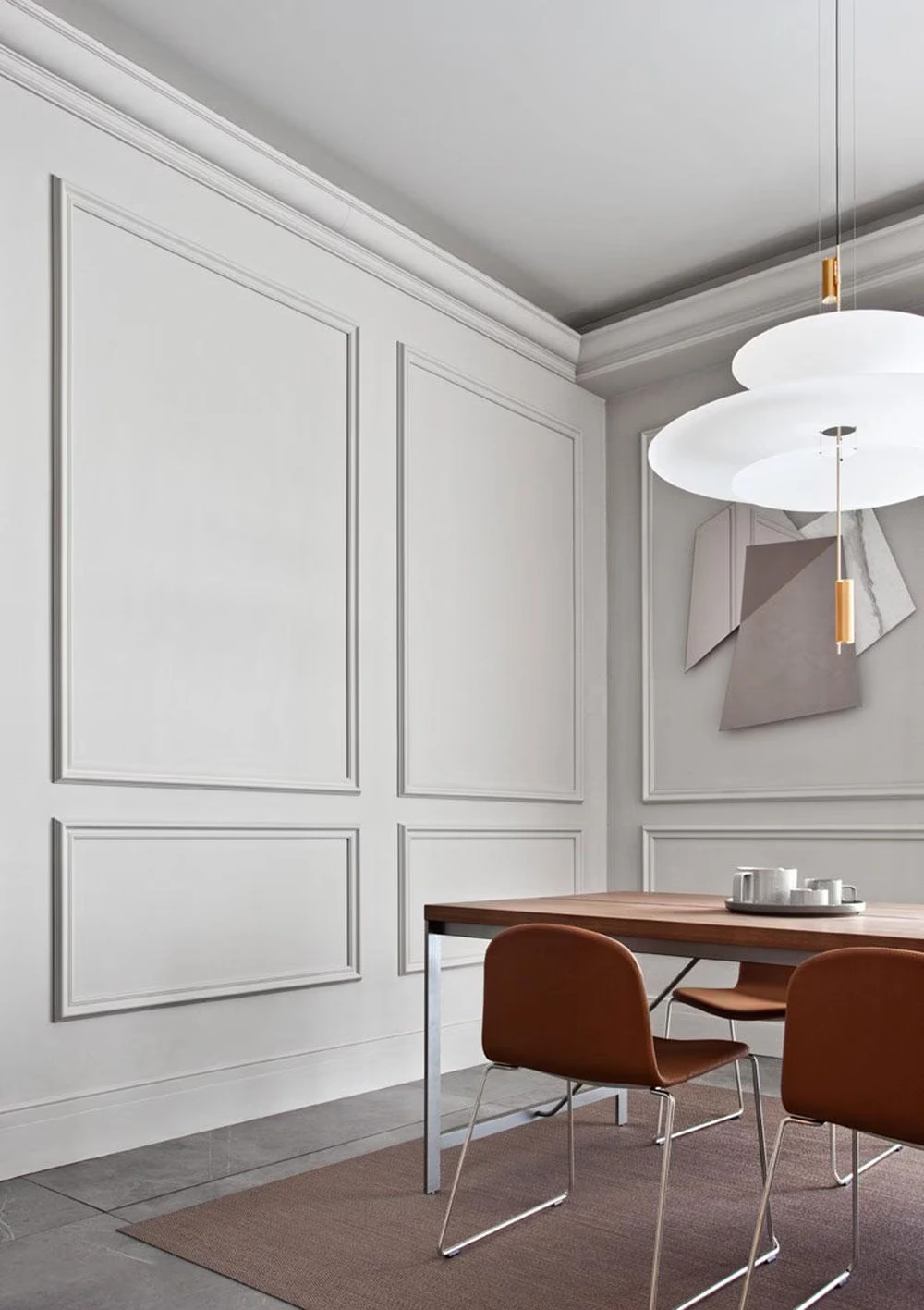
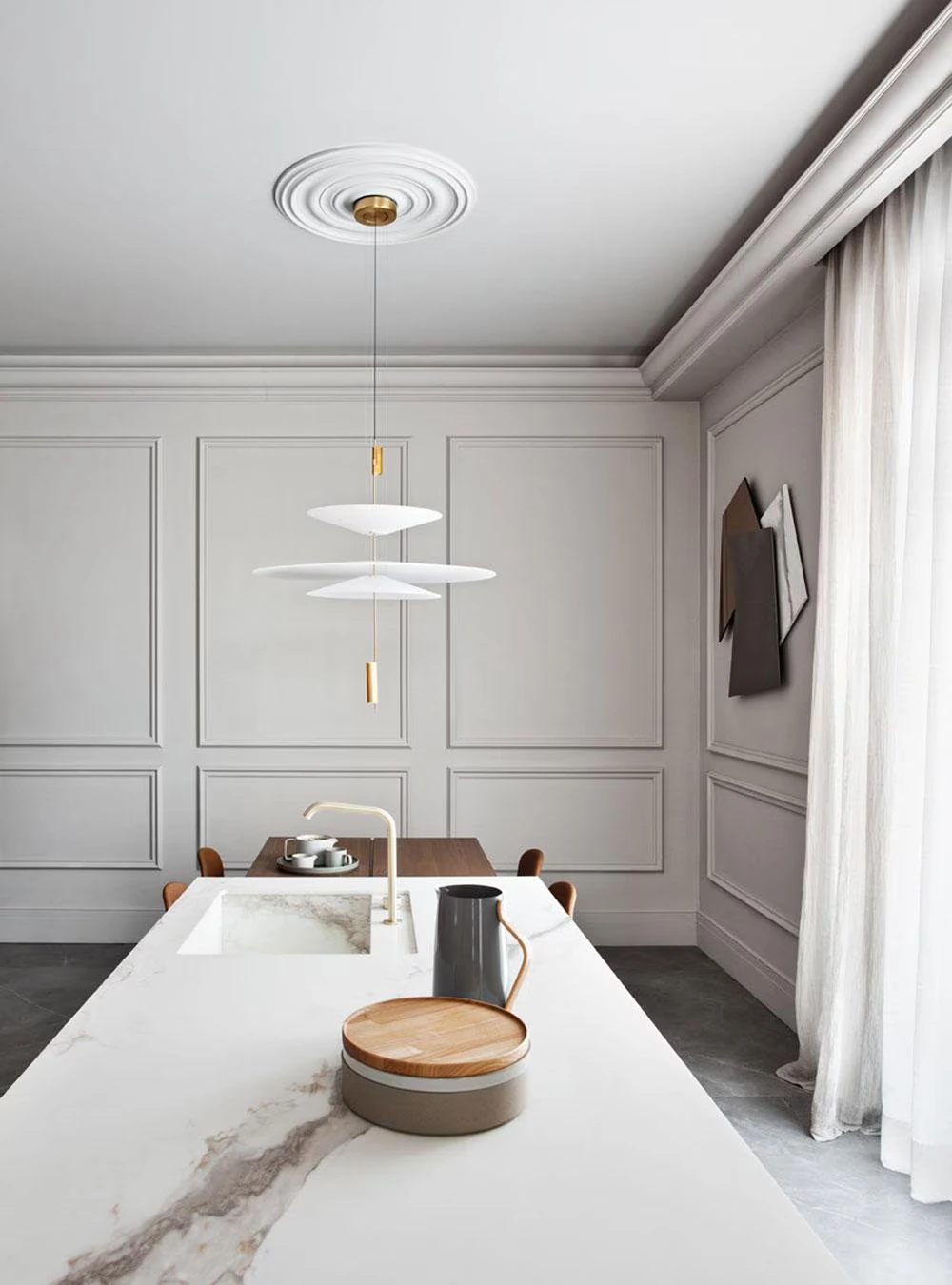
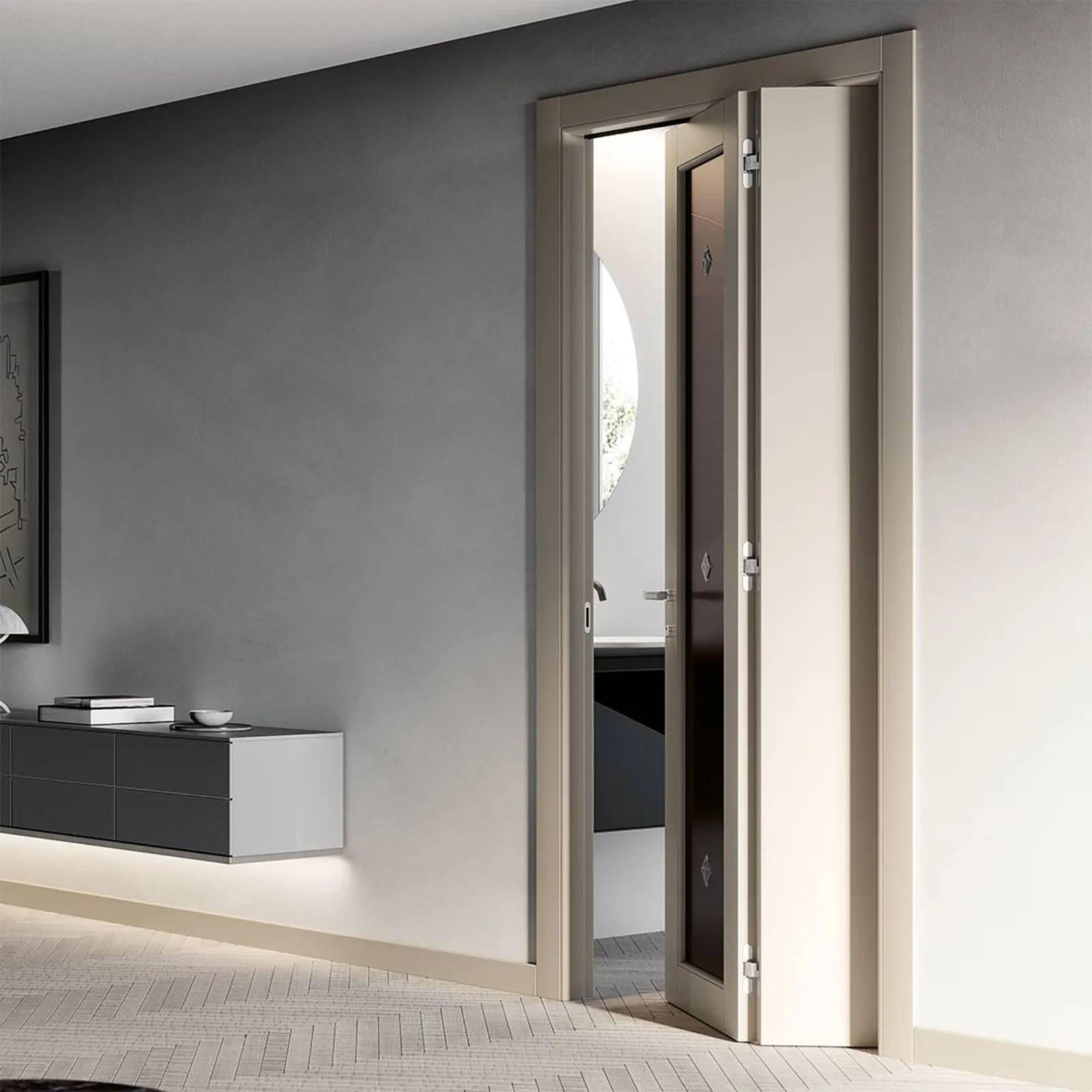
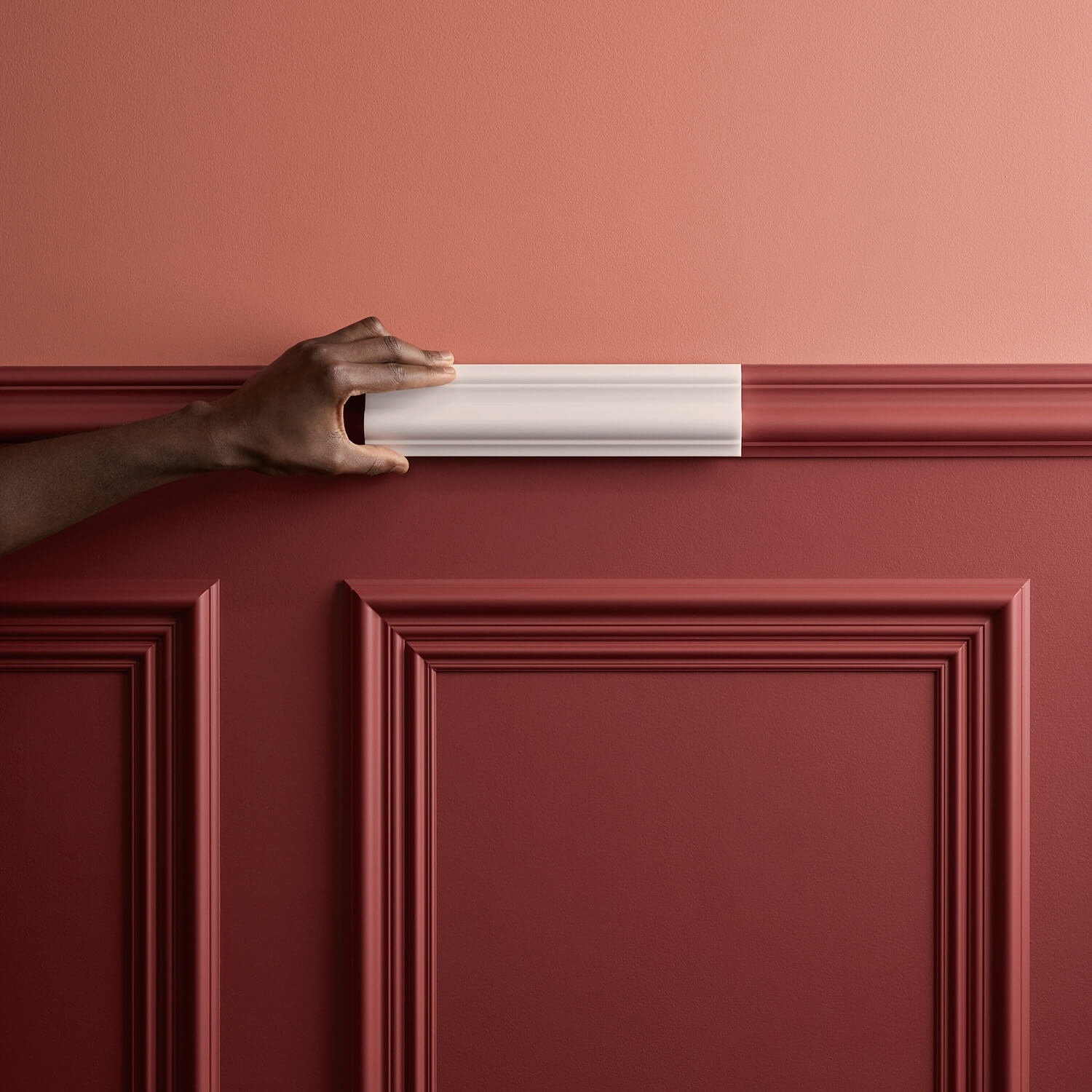
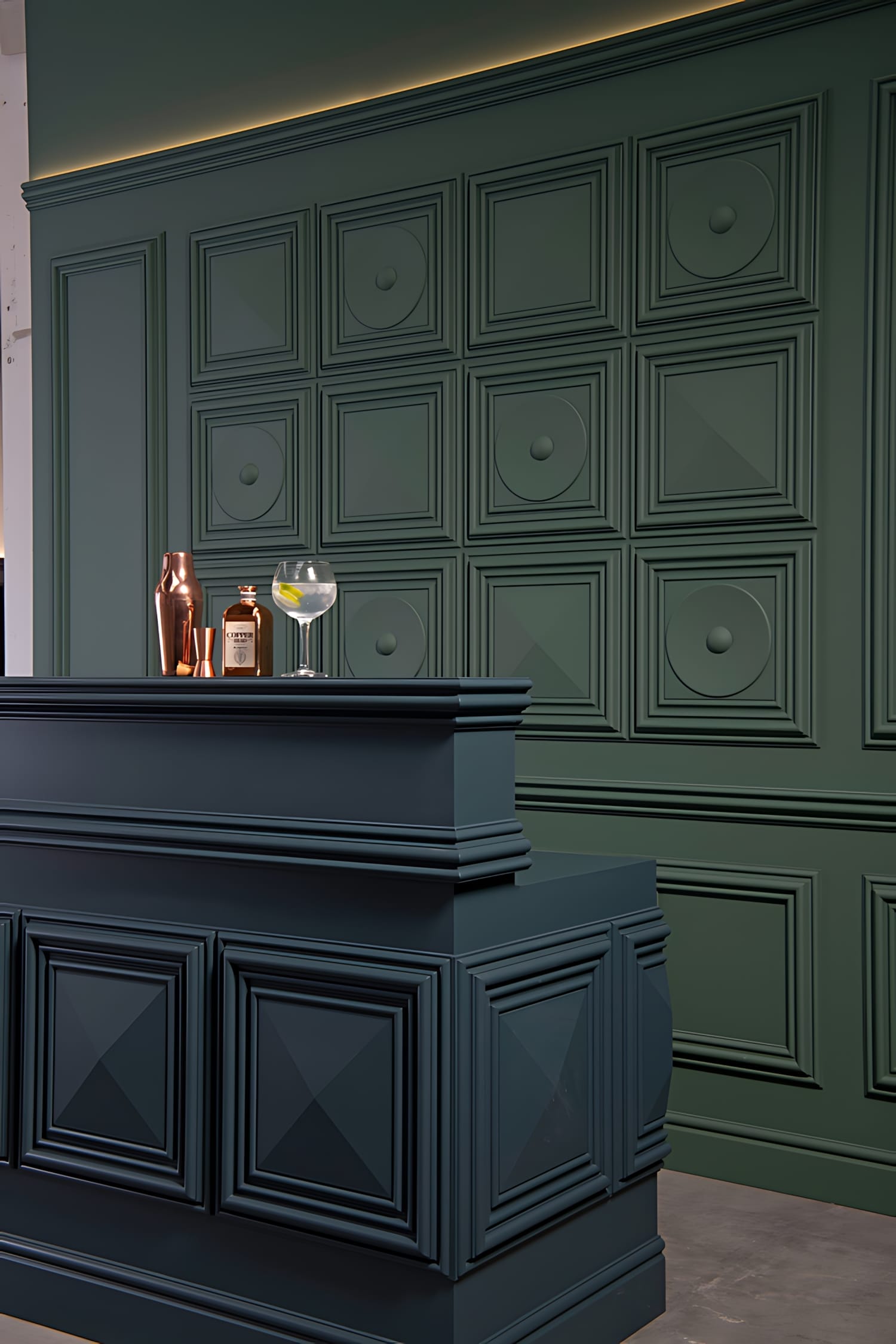
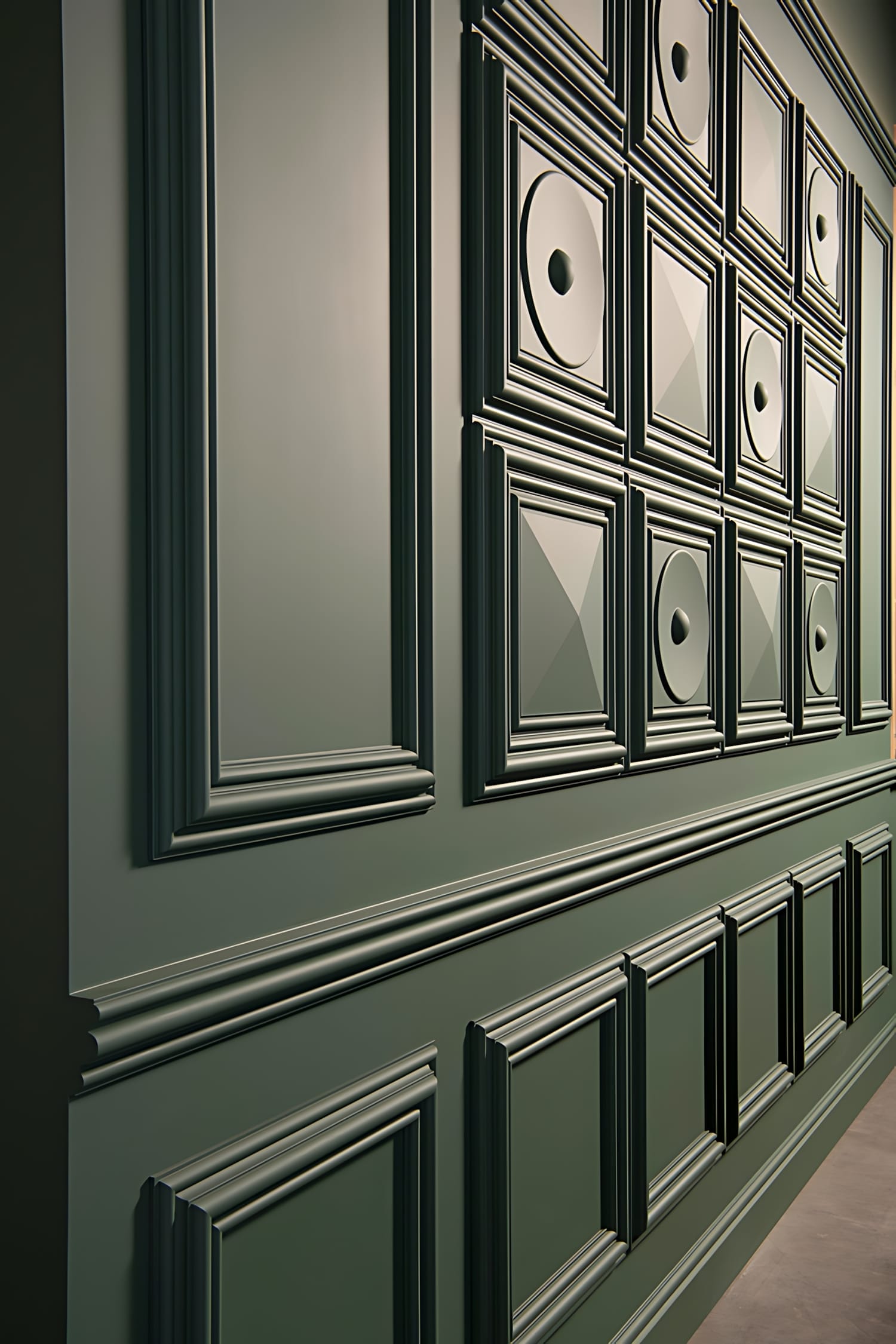
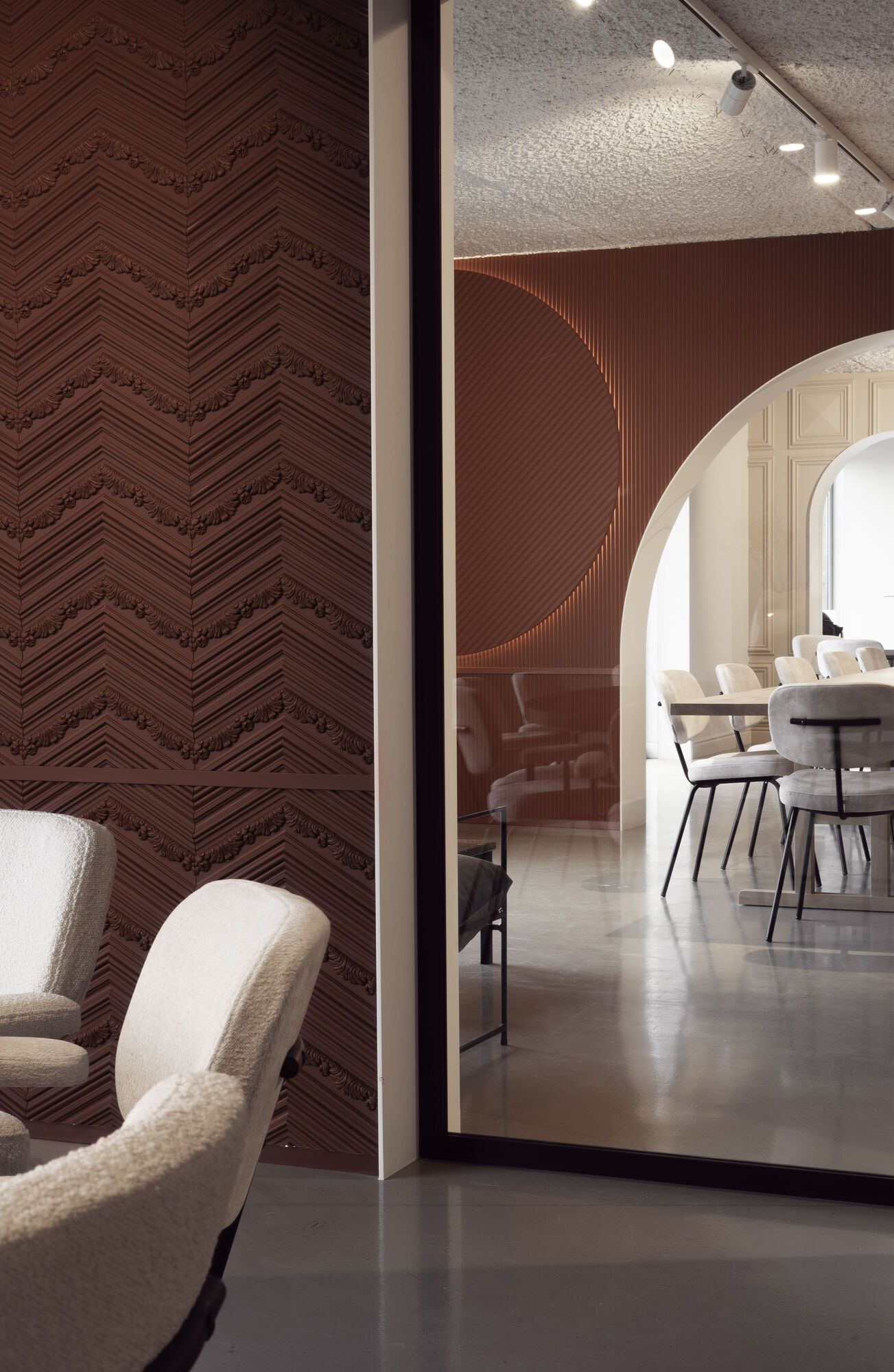
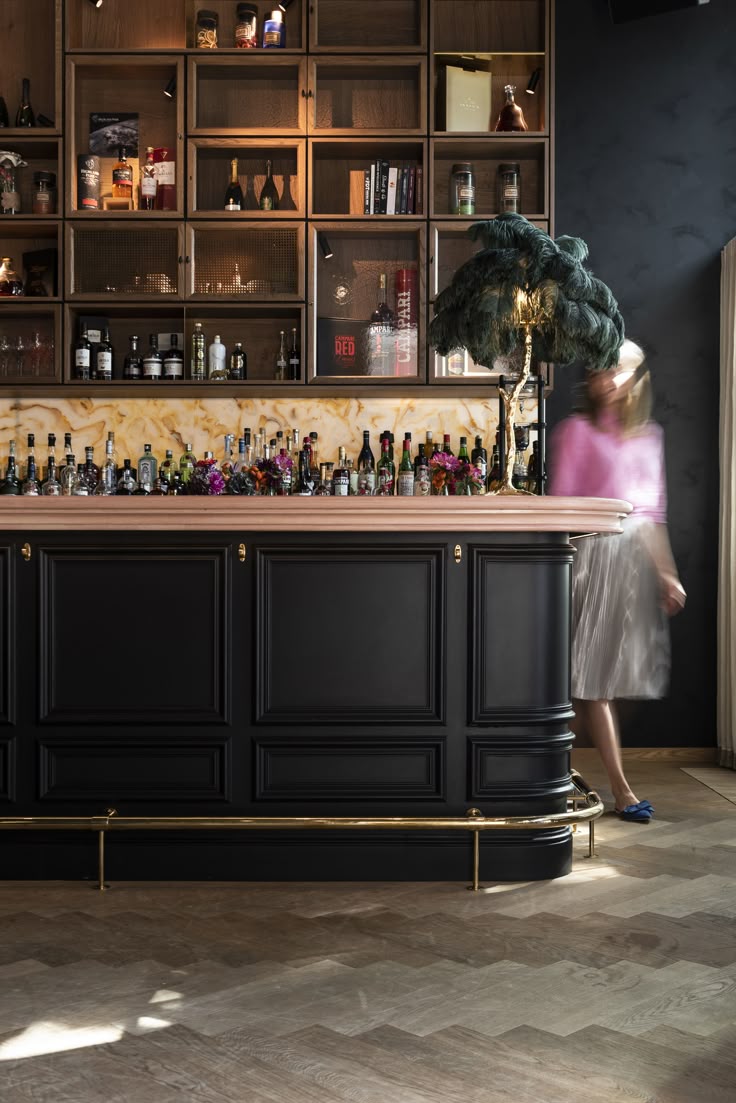
The portfolio includes cornices, skirting boards, wall mouldings, door surrounds, decorative elements and 3D wall panels. Profiles can be used individually to define the junctions between walls, floors and ceilings or combined into more elaborate compositions, such as framed wall panelling, wainscoting and full-height textured surfaces. The range moves comfortably between ornamental references and minimal geometries, making it suitable for both traditional interiors and contemporary architectural schemes.
A defining part of ORAC’s development has been its work with proprietary materials. Purotouch® allows deep reliefs, crisp edges and finely detailed profiles, making it particularly suited to cornices and decorative elements with a sculptural character. Duropolymer® is a high-density, lightweight material developed for areas that require greater resistance to impact and moisture, including skirting boards and selected wall panels. Products arrive primed and ready to paint, allowing them to blend into the wall colour or become a contrasting graphic element.
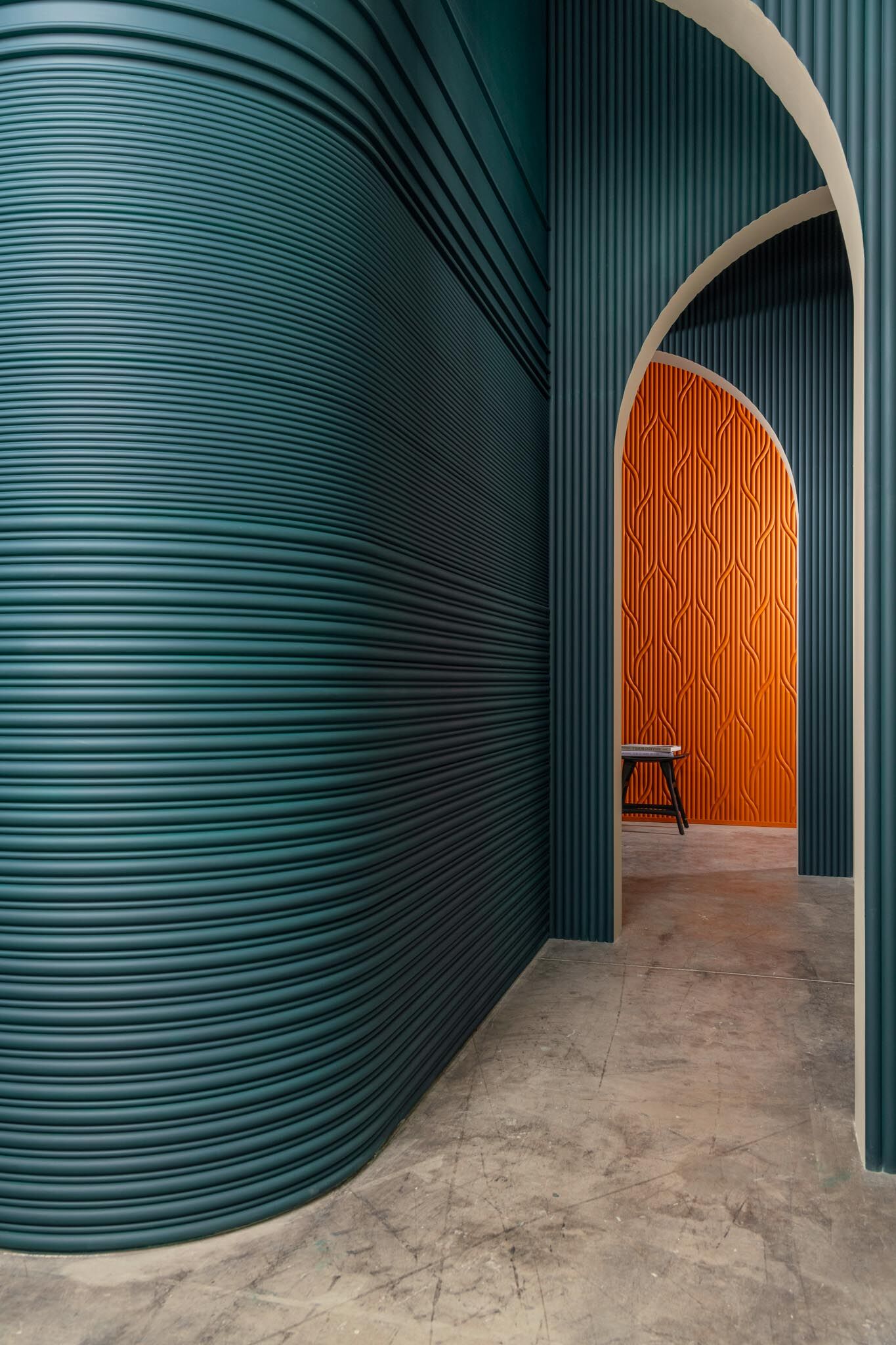
ORAC introduced its Flex technology in 1992, extending decorative profiles beyond straight walls. Flexible versions can follow curved partitions, rounded corners, columns, bay windows and complex ceiling lines while maintaining the same design as their rigid counterparts. This makes it possible to continue mouldings through irregular architecture without interrupting the proportions or rhythm of the composition.
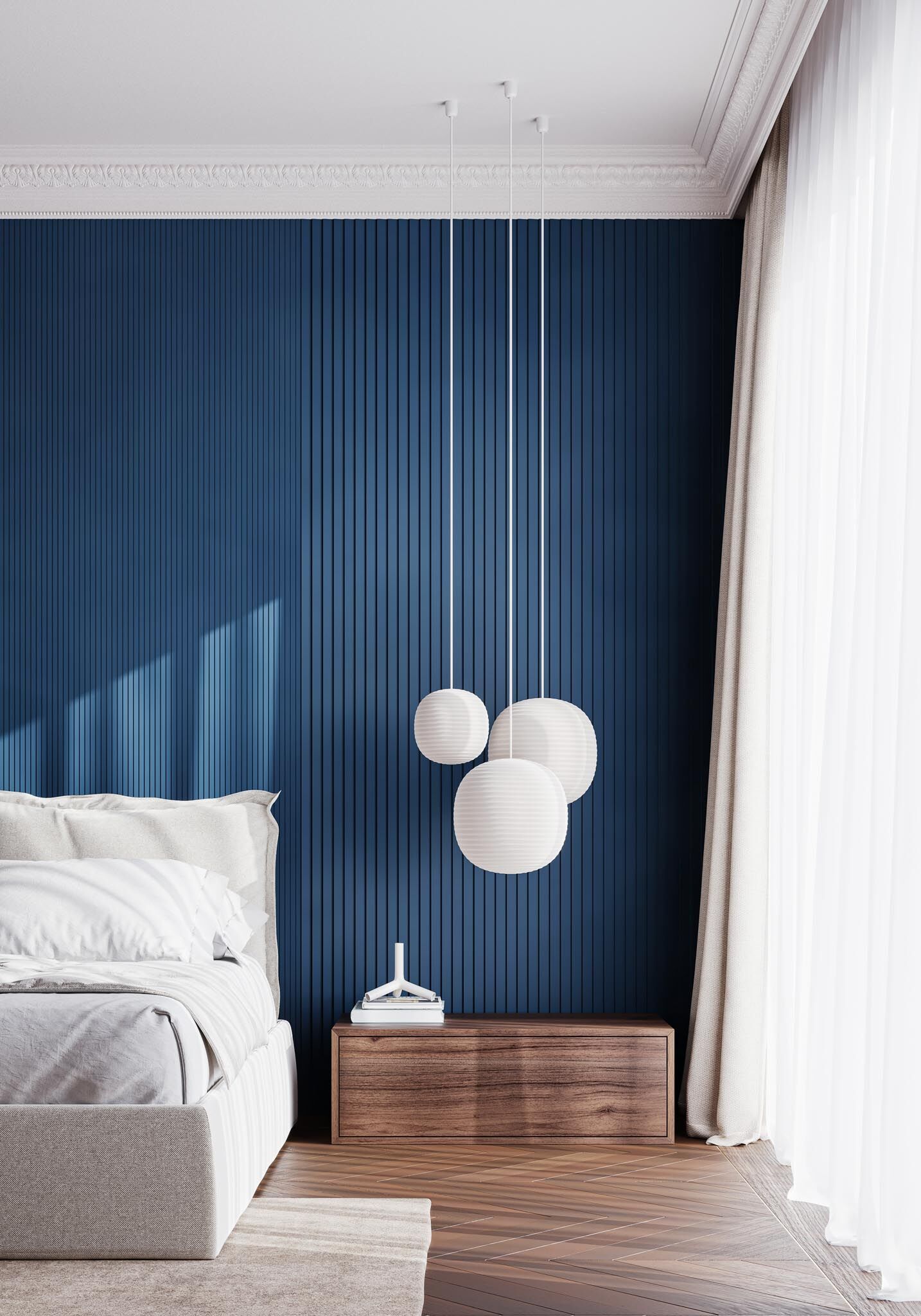
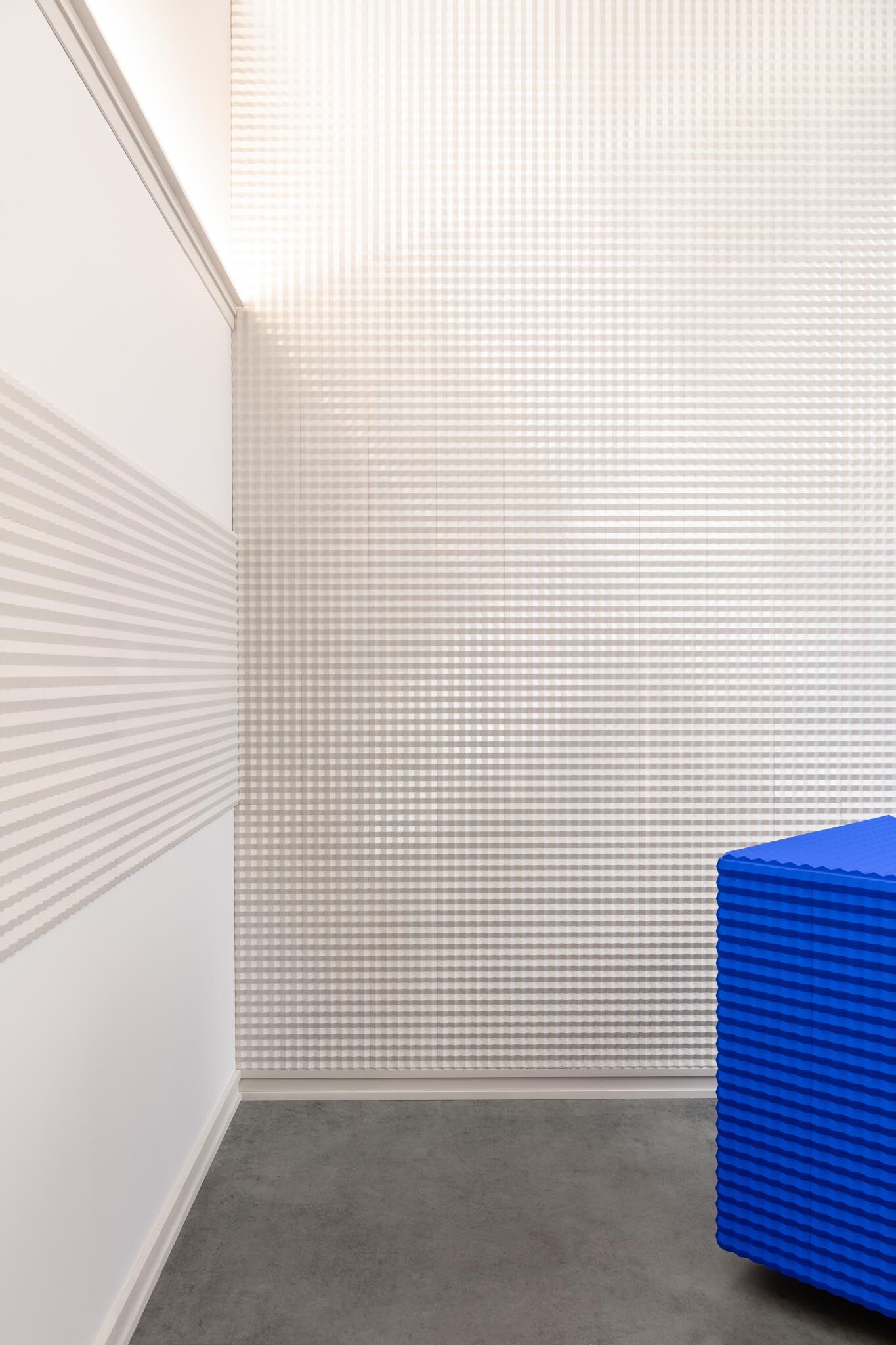
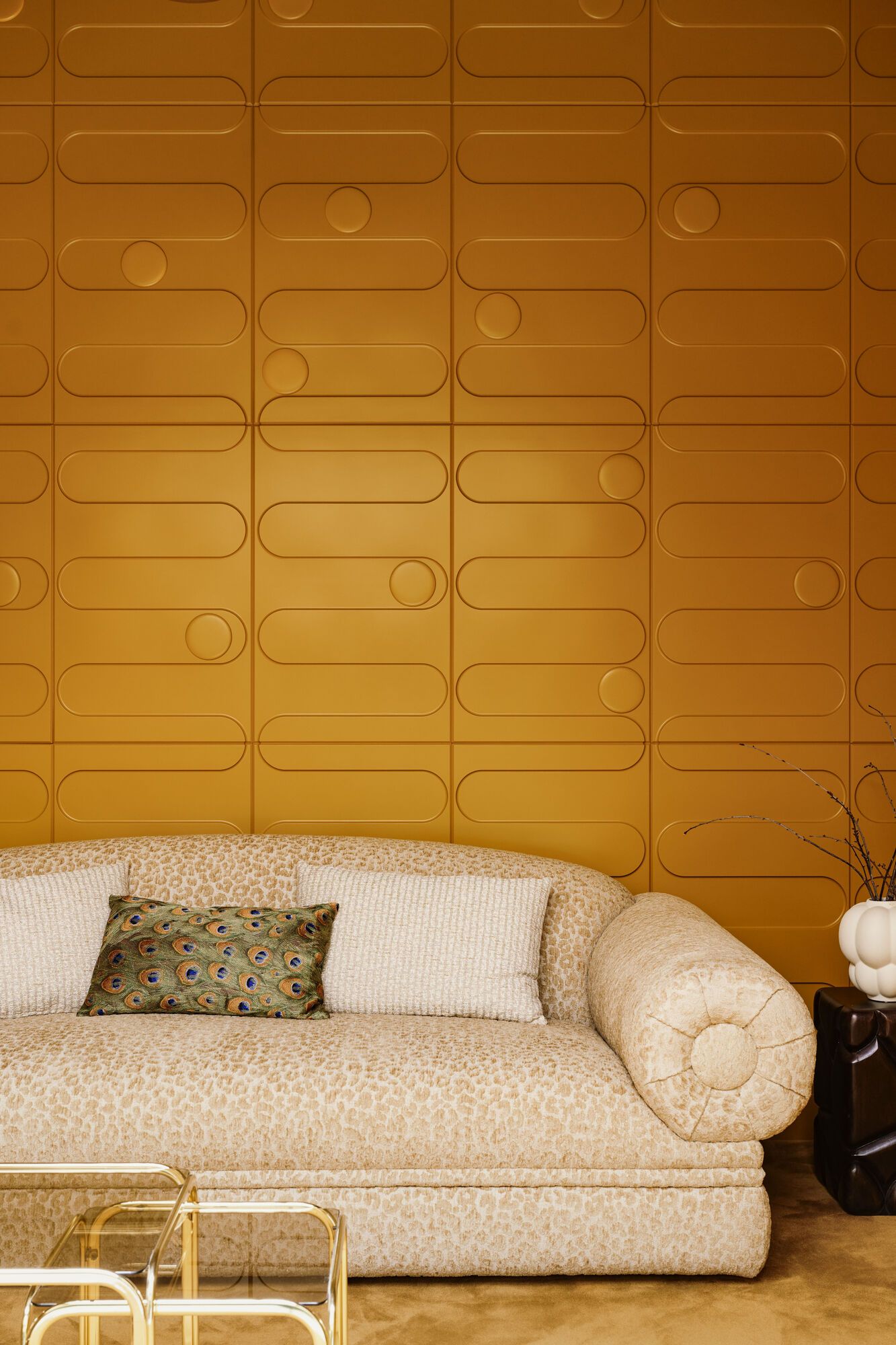
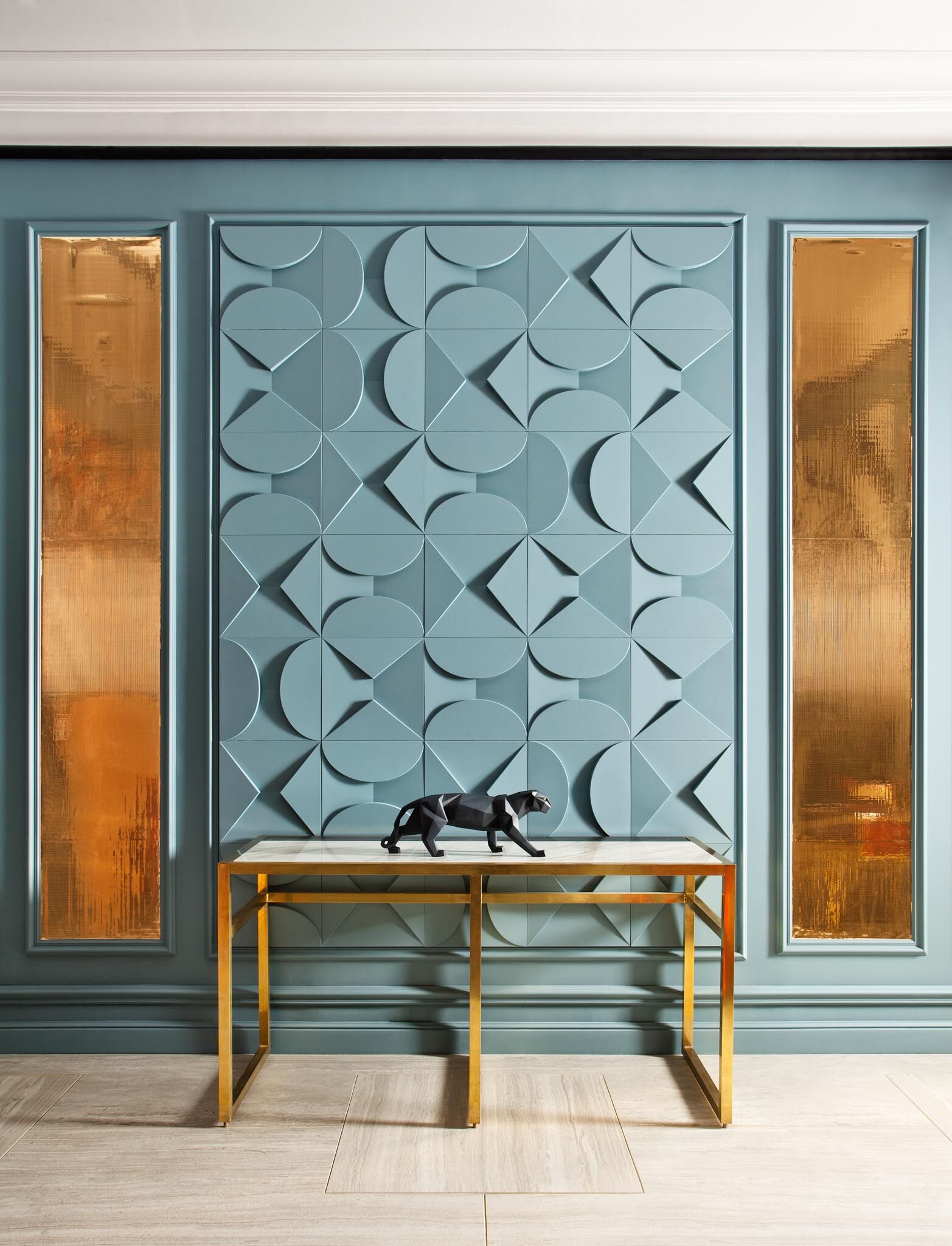
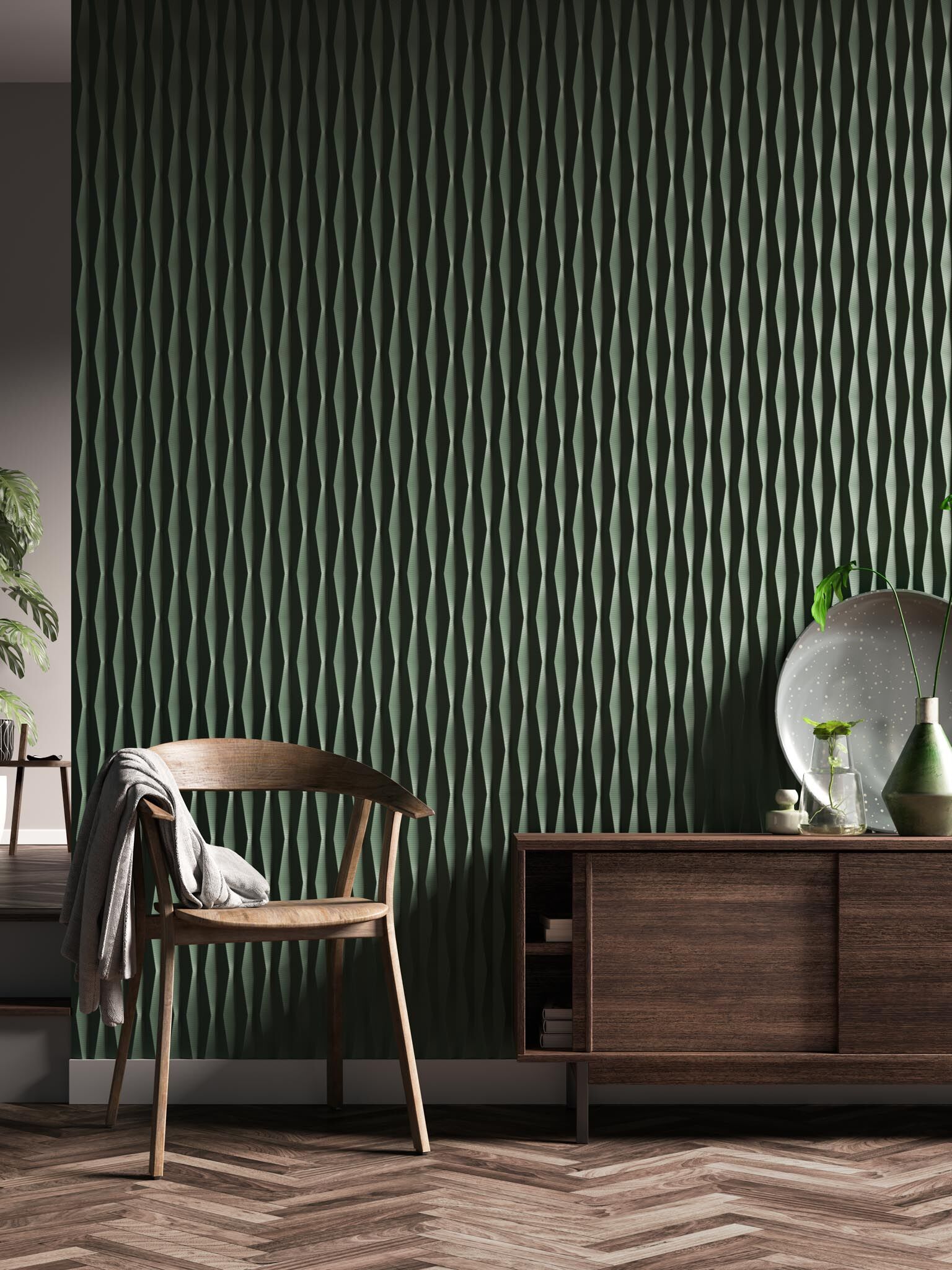
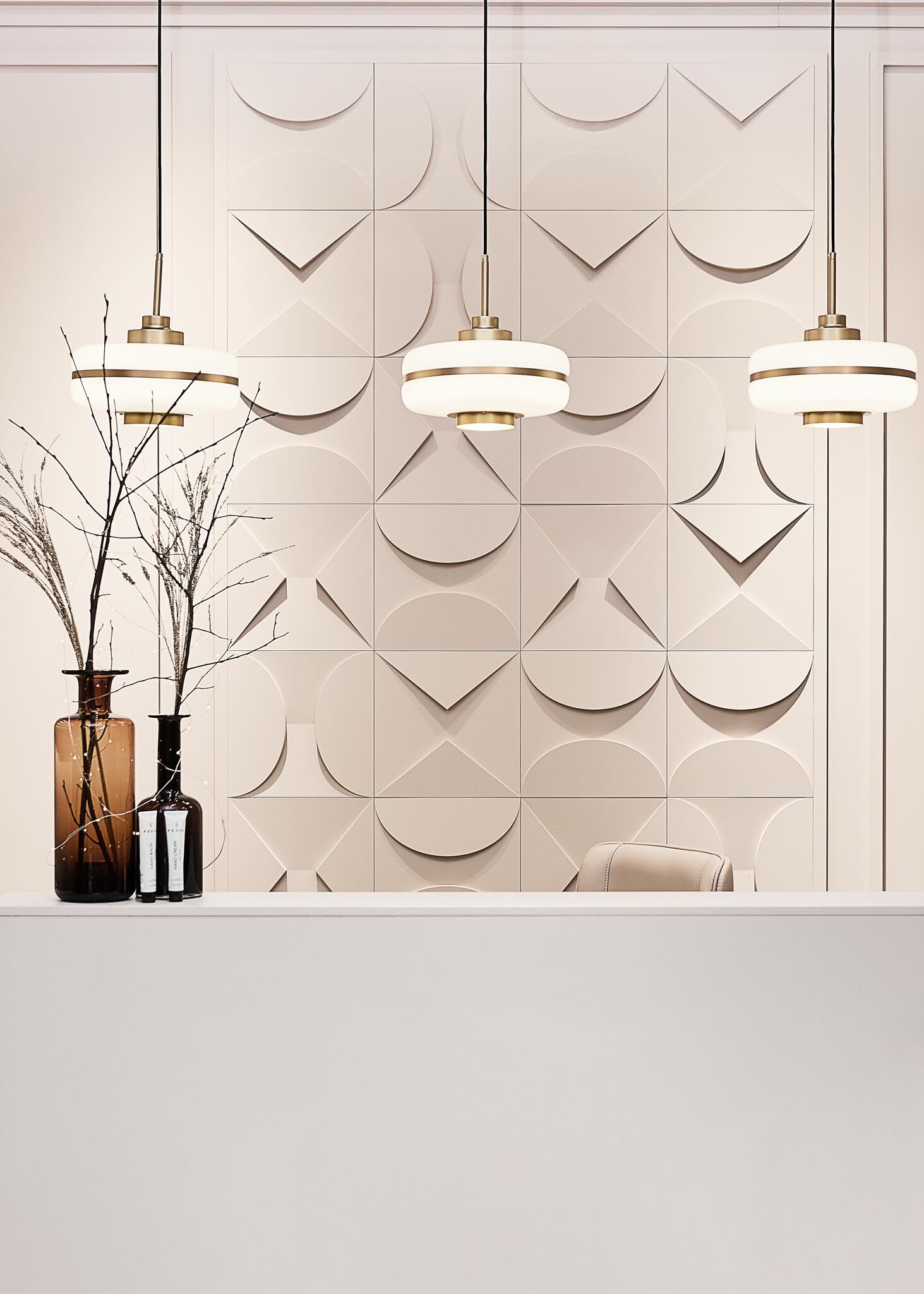
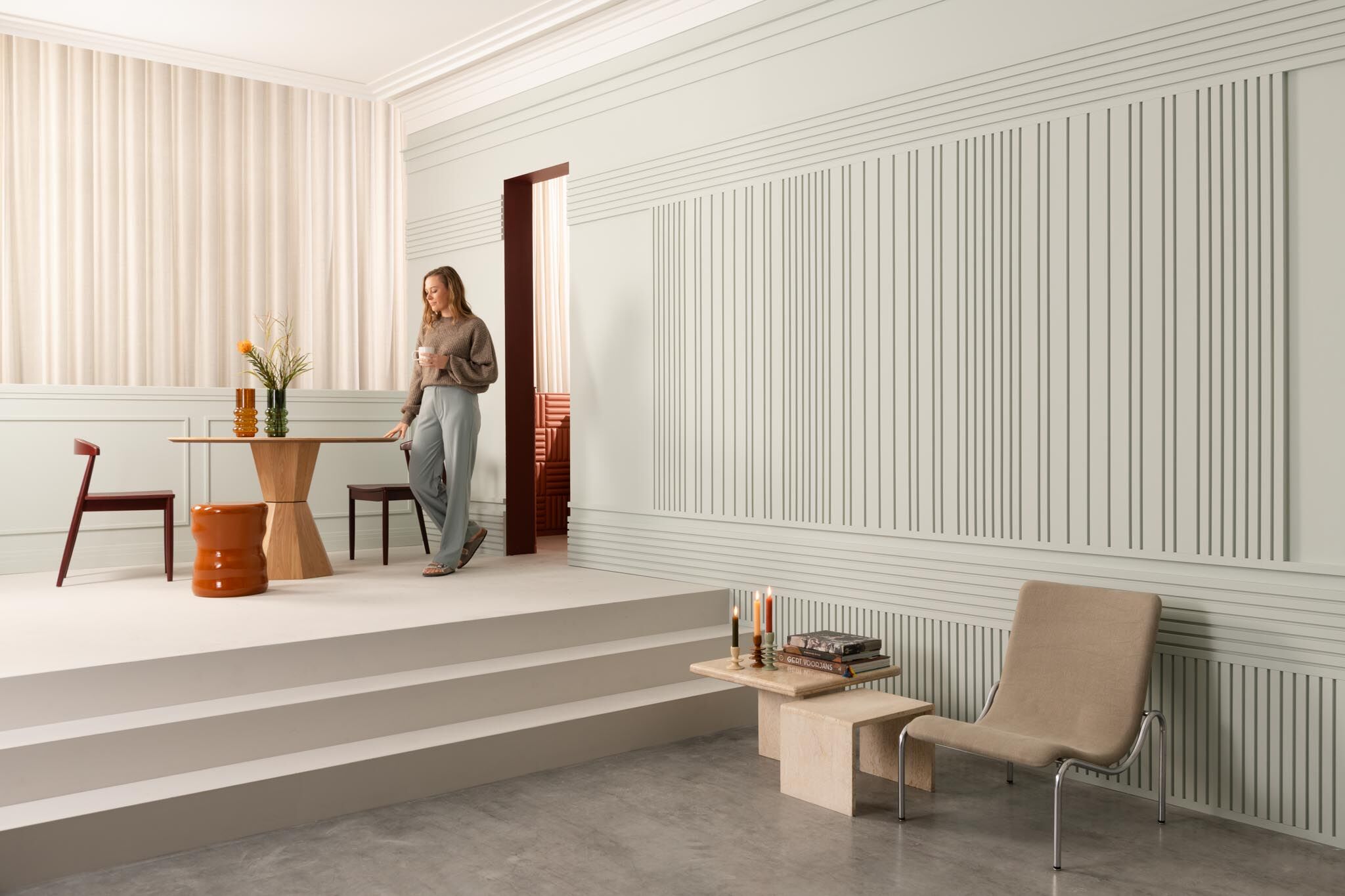
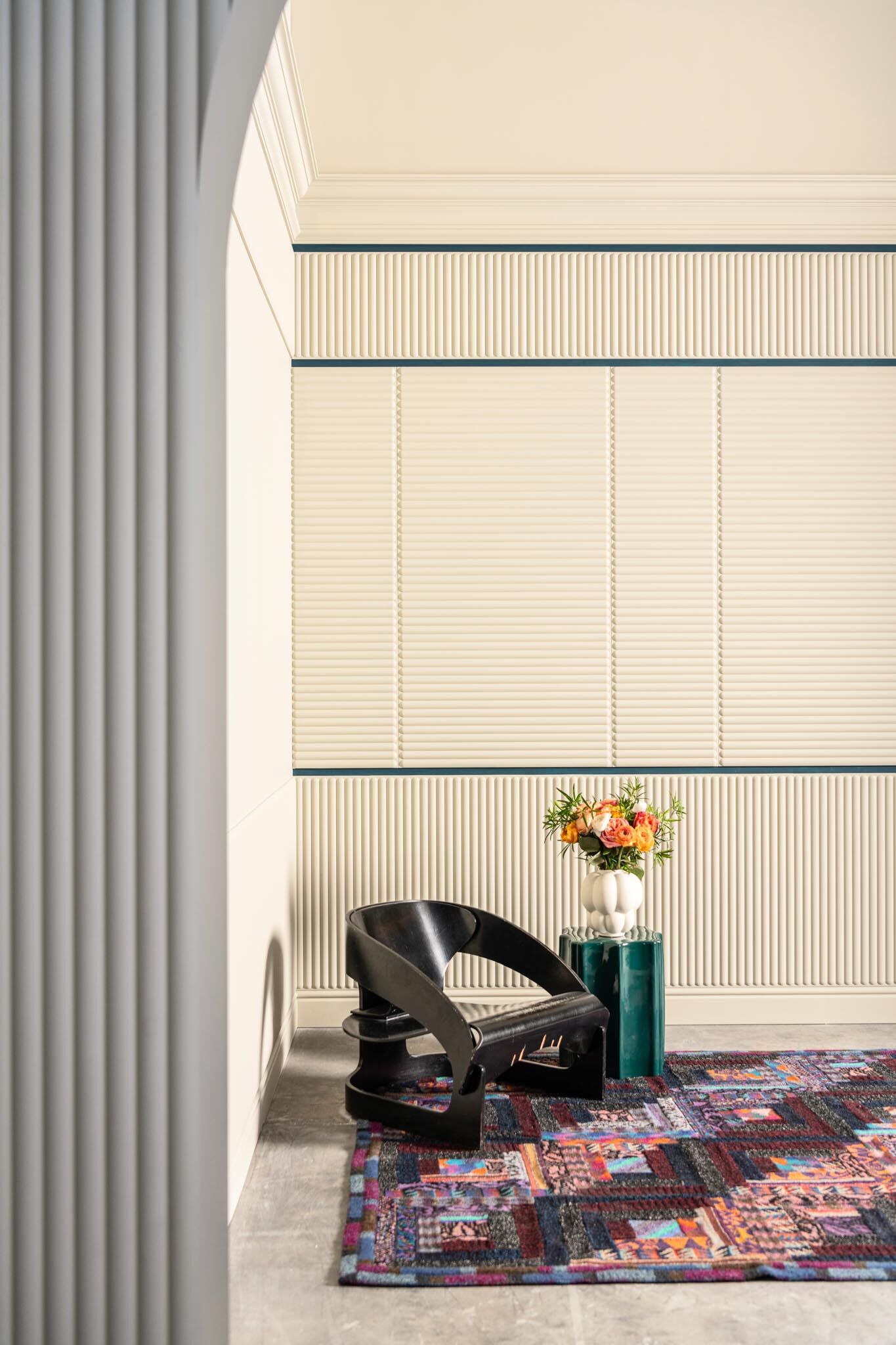
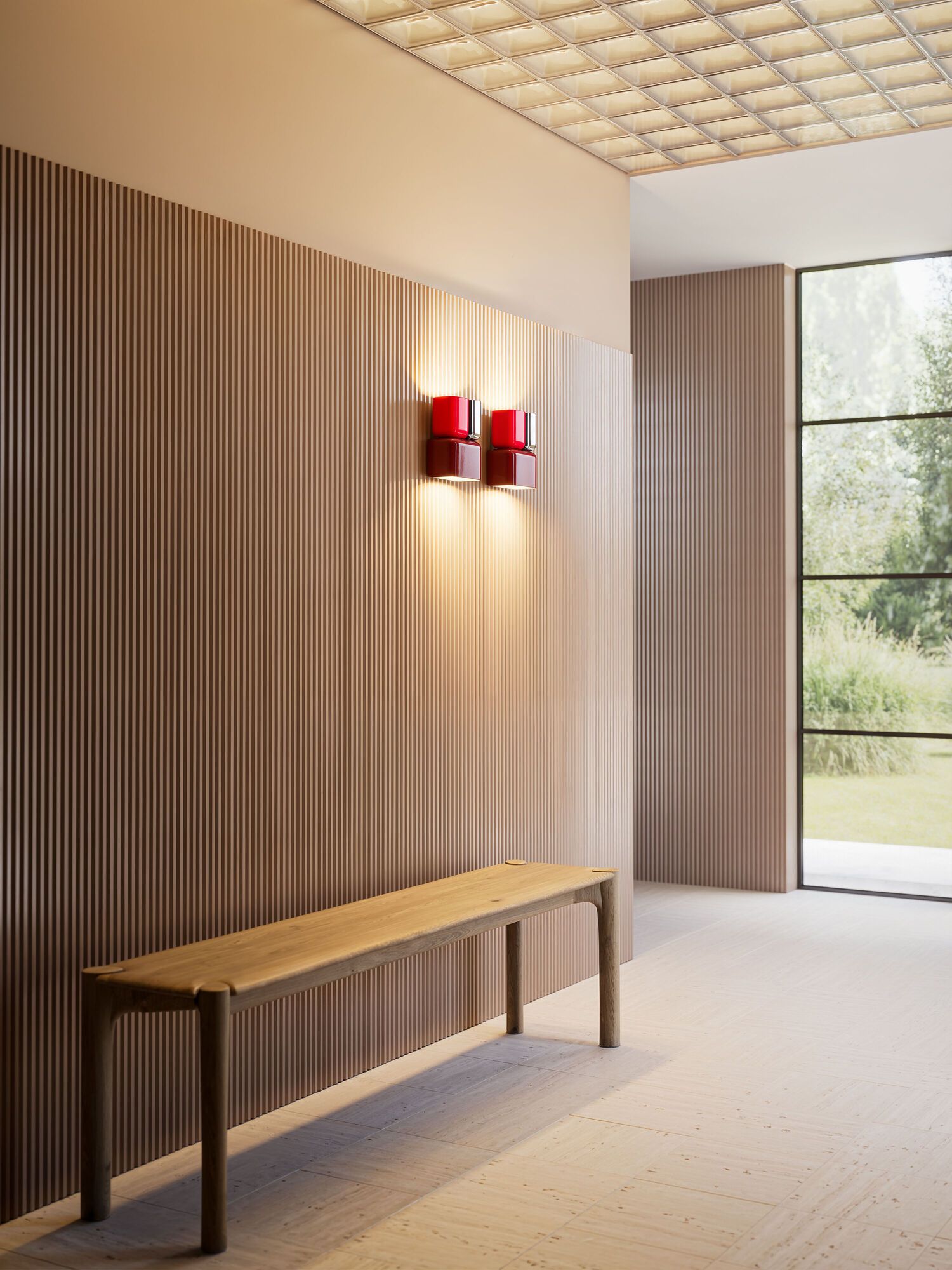
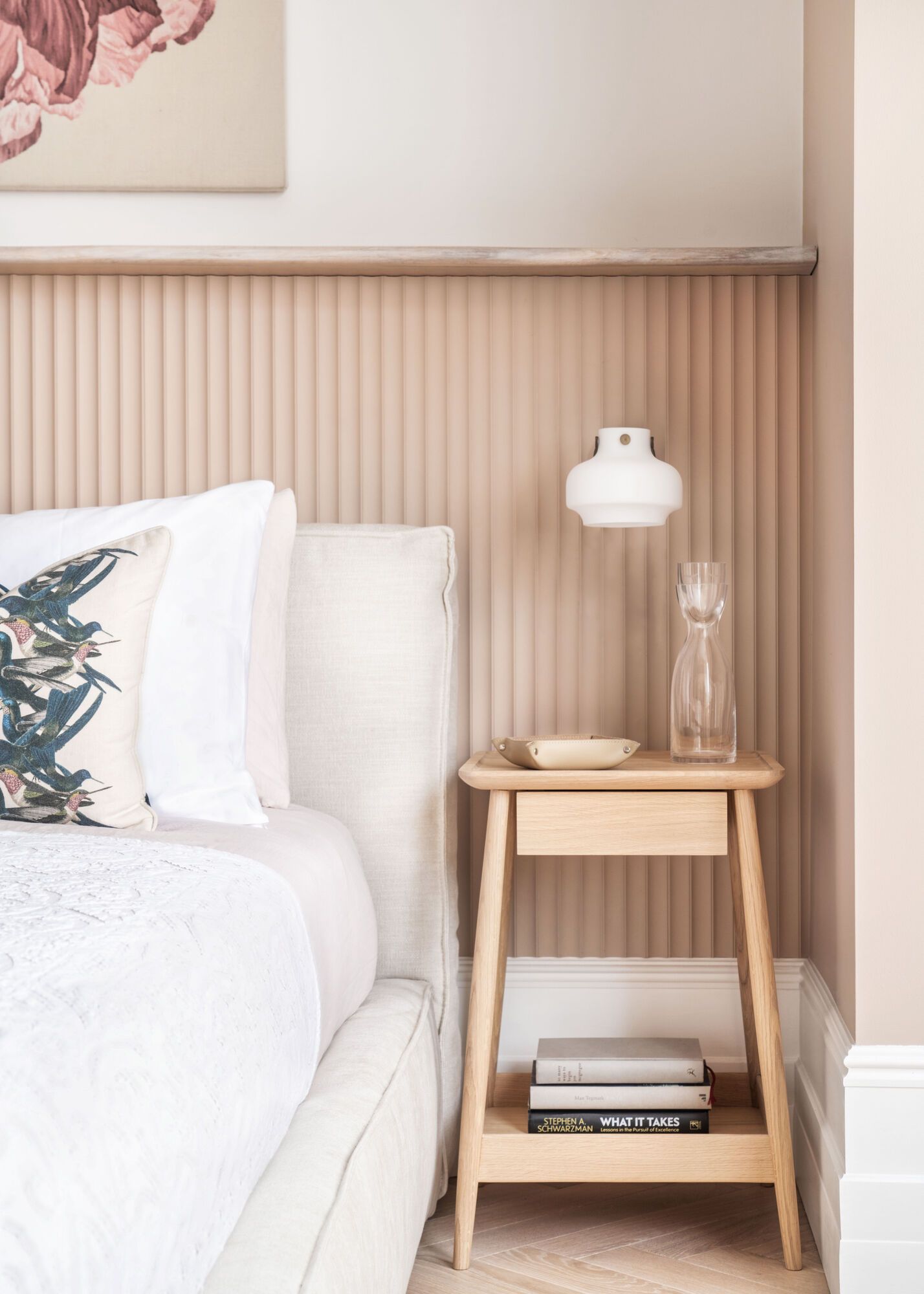
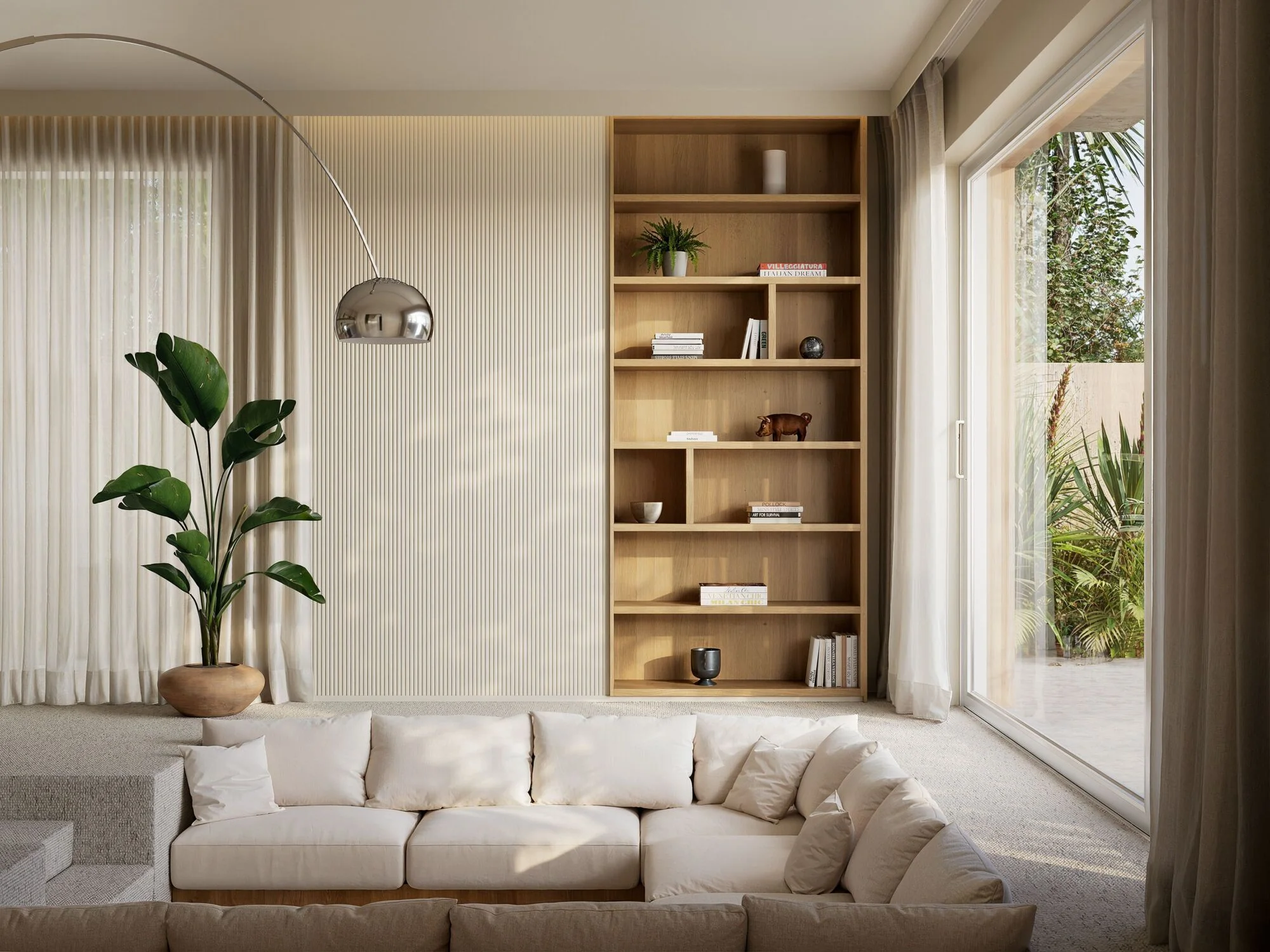
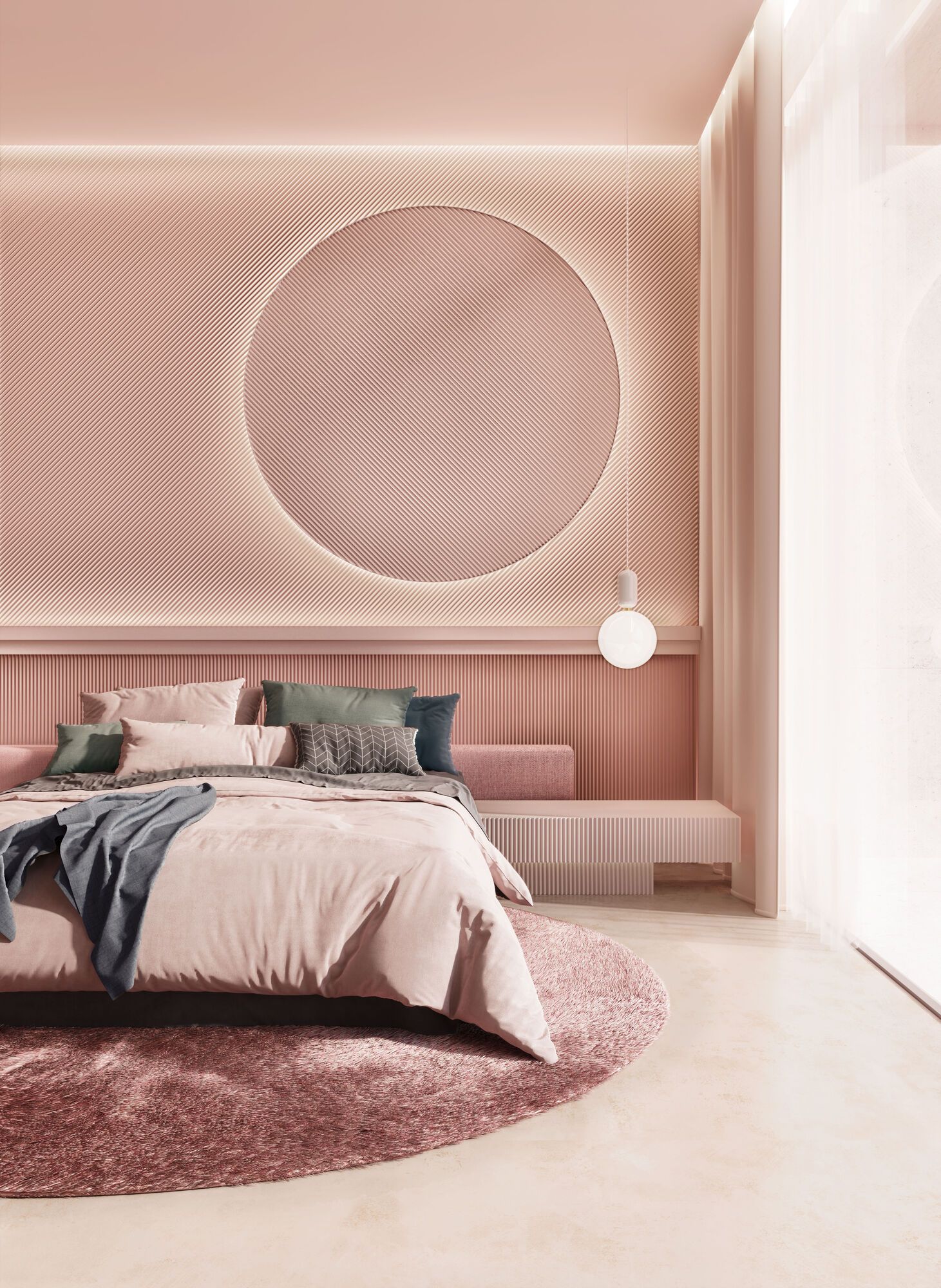
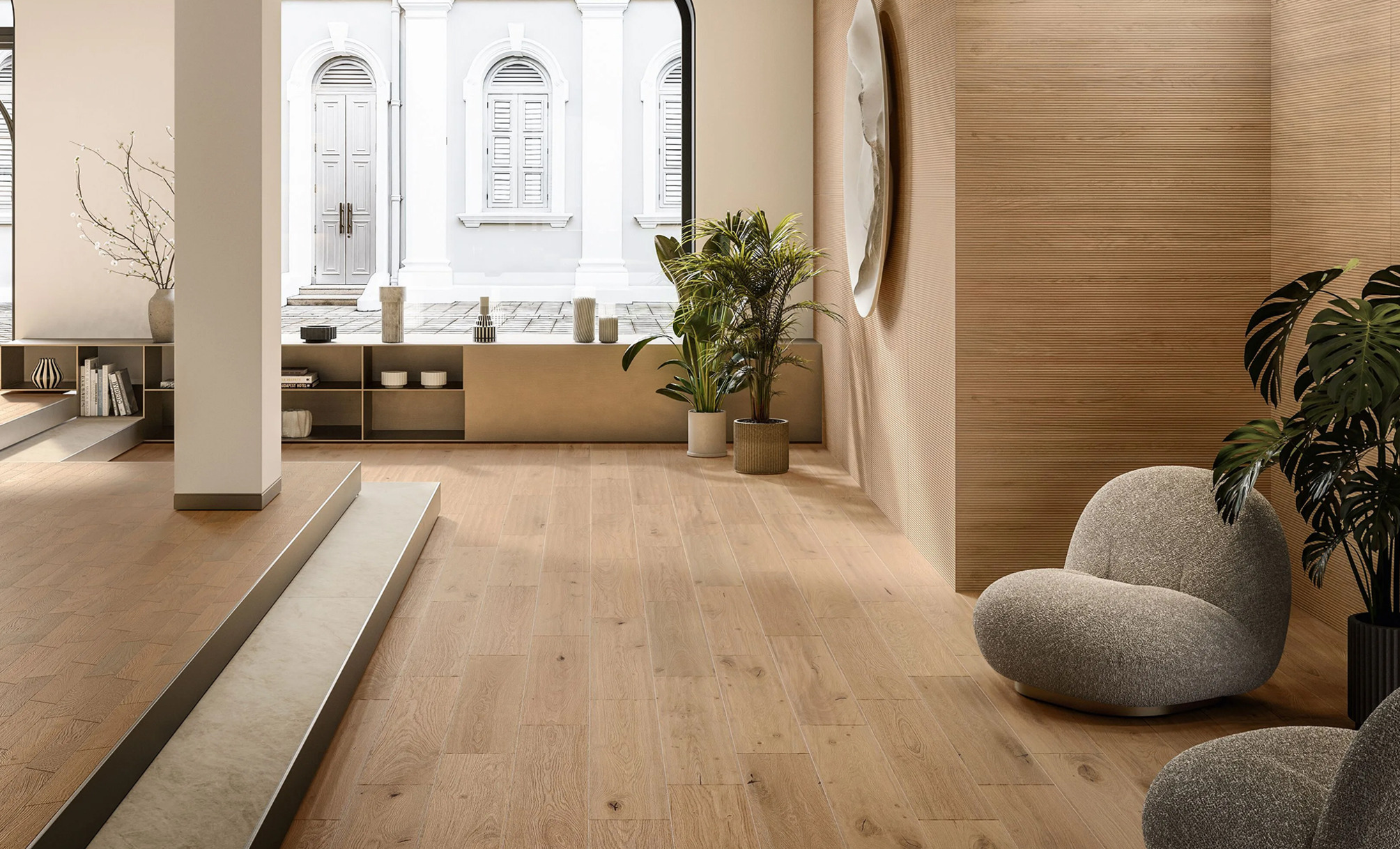
The 3D Wall Covering collection brings a more contemporary dimension to the range. Designed as repeatable and combinable modules, the panels create continuous surfaces with linear, fluted, geometric or organic reliefs. Once painted, the joints become visually discreet and the wall reads as a single architectural surface. Light and shadow accentuate the relief throughout the day, allowing depth and movement to be introduced without relying on applied colour or additional decoration.
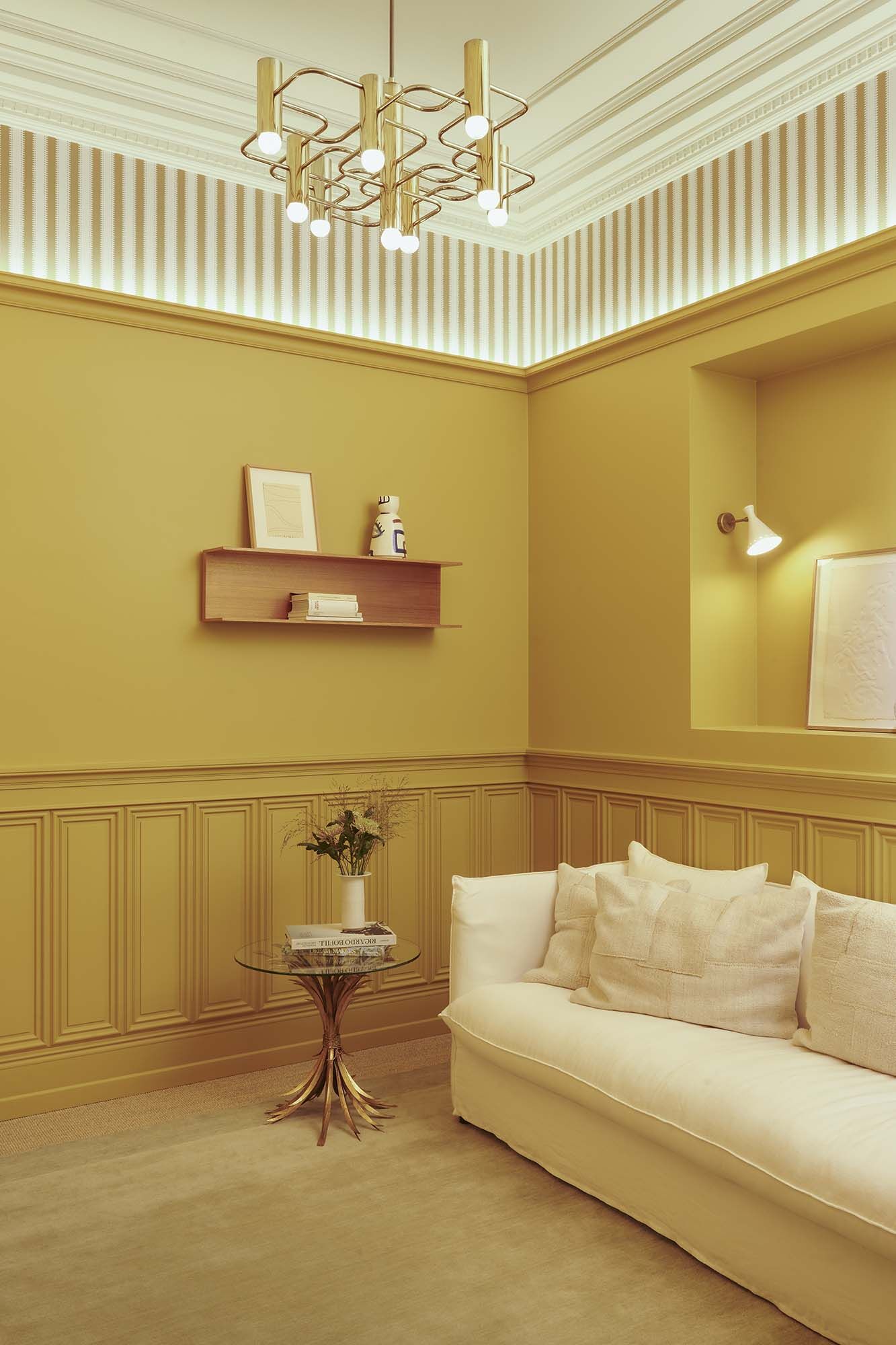
Several profiles are designed to incorporate indirect lighting. LED strips can be concealed within cornices or wall elements to wash light across ceilings and vertical surfaces without exposing the source. Other multifunctional solutions can combine a cornice, curtain support and indirect lighting within one element, reducing the number of visible technical components. The result is a cleaner transition between decoration, lighting and architecture.
Because the elements are lightweight, paintable and supported by dedicated adhesives and joint fillers, they can be used in both new construction and renovation. Cover skirting boards can conceal existing profiles, selected products can hide cables, and flexible versions resolve curved surfaces that would otherwise require custom plasterwork or joinery.
ORAC offers architects and designers a practical way to introduce proportion, shadow and visual continuity into an interior. Its strength lies in the relationship between classical architectural detailing and modern material technology, allowing walls to become active parts of the design rather than neutral backgrounds.
Founded in 1970 | Belgium | Headquarters: Ostend